


Cellular antioxidants are molecules that protect your cells from oxidative damage by neutralizing free radicals, slowing aging, and supporting key longevity pathways. Both endogenous types, like glutathione and superoxide dismutase, and exogenous types, like polyphenols and carotenoids, form your body’s natural defense system. Regulators including Nrf2, AMPK, and SIRT1 sit at the center of this system, linking antioxidant activity directly to mitochondrial health and metabolic resilience. Understanding the benefits of cellular antioxidants gives you a clear foundation for making smarter decisions about diet, lifestyle, and targeted supplementation.
1. Benefits of cellular antioxidants: how they fight oxidative stress
Cellular antioxidants neutralize reactive oxygen species (ROS), the unstable molecules that damage DNA, proteins, and cell membranes. Left unchecked, ROS accumulate and drive oxidative stress, a root cause of accelerated aging and chronic disease. Aging decreases Nrf2 activity while increasing Keap1, which weakens your cell’s built-in antioxidant defenses and accelerates this cycle. The result is telomere shortening, mitochondrial dysfunction, and rising inflammation.
Antioxidants interrupt this cycle at multiple points:
- Nrf2 pathway activation: Nrf2 acts as the master switch for antioxidant gene expression. When activated, it triggers production of glutathione, catalase, and superoxide dismutase.
- NF-κB attenuation: Antioxidants suppress NF-κB signaling, which reduces the expression of pro-inflammatory enzymes COX-2 and iNOS.
- Redox homeostasis: Maintaining the balance between oxidized and reduced molecules keeps cellular signaling accurate and prevents runaway inflammation.
- Mitochondrial protection: Antioxidants reduce mitochondria-derived ROS, protecting the energy-producing machinery your cells depend on.
Pro Tip: Redox homeostasis is not about eliminating all ROS. A small amount of ROS is necessary for cell signaling. The goal is balance, not zero.
2. How antioxidants activate longevity pathways
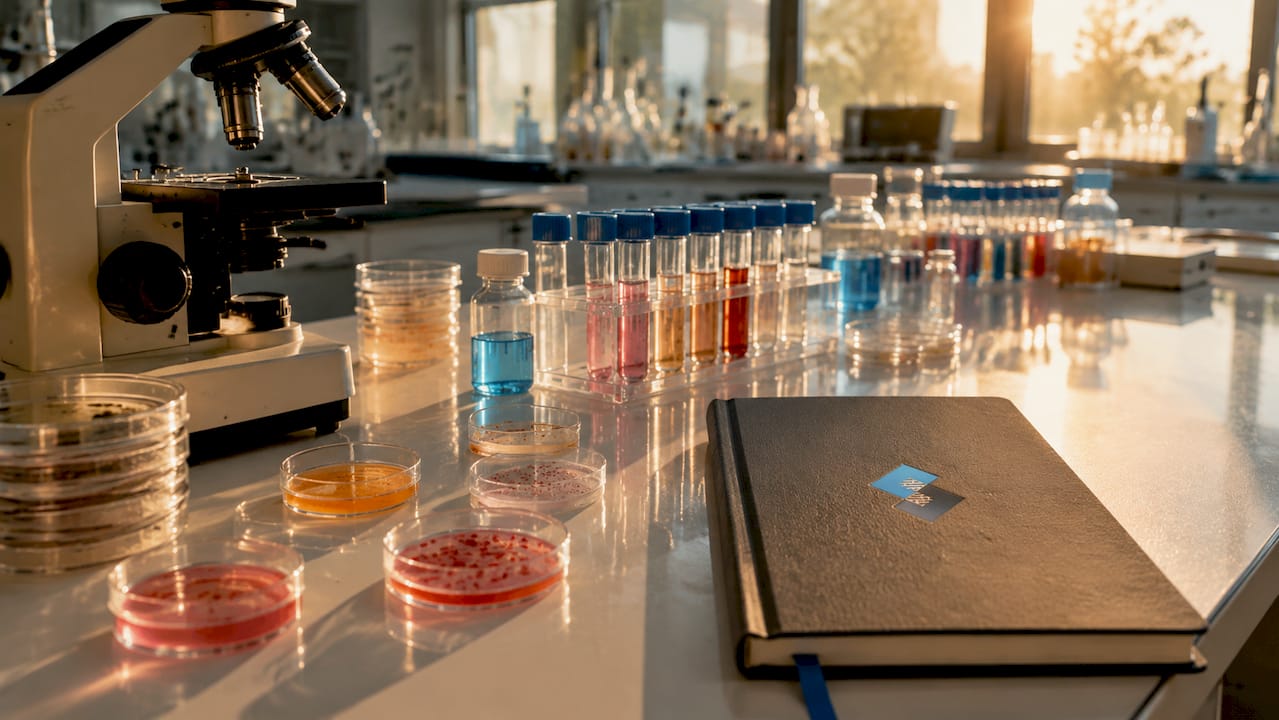
The role of antioxidants in aging goes well beyond scavenging free radicals. Specific antioxidants activate AMPK and SIRT1, two proteins that regulate mitochondrial biogenesis, energy metabolism, and cellular repair. Resveratrol, berberine, and alpha-lipoic acid promote longevity by activating these pathways, enhancing mitochondrial function and reducing systemic inflammation. This is why researchers now classify these compounds as longevity-associated antioxidants rather than simple free radical scavengers.
AMPK activation mimics the cellular effects of caloric restriction, a well-studied longevity mechanism. SIRT1 activation supports DNA repair and suppresses inflammatory gene expression. Together, these pathways explain why antioxidant-rich diets correlate with lower rates of metabolic disease and longer healthspan in population studies.
3. Best dietary sources of cellular antioxidants
Health authorities define the best cellular antioxidants as those found in whole plant foods, not isolated supplements. A rainbow-colored plant-based diet delivers synergistic combinations of vitamins, polyphenols, carotenoids, and fiber that work together in ways no single supplement can replicate. The synergy matters because fiber feeds gut bacteria that produce short-chain fatty acids, which in turn support antioxidant enzyme activity.
Top antioxidant food categories include:
- Berries: Blueberries, strawberries, and blackberries are dense in anthocyanins and vitamin C.
- Leafy greens: Spinach and kale supply lutein, zeaxanthin, and vitamin E.
- Nuts and seeds: Walnuts and sunflower seeds provide vitamin E and selenium.
- Whole grains: Oats and brown rice deliver ferulic acid and other phenolic compounds.
- Legumes: Lentils and black beans contain flavonoids and zinc, both cofactors for antioxidant enzymes.
- Spices: Turmeric (curcumin) and cinnamon carry potent anti-inflammatory polyphenols.
Pro Tip: Eat at least five different colors of plant foods each day. Each color group signals a distinct class of antioxidant compounds, so variety directly expands your cellular protection.
Health authorities caution against high-dose antioxidant supplements as a substitute for food. High-dose beta-carotene supplements, for example, increased lung cancer risk in smokers in clinical trials. Food-based antioxidants carry no such documented risk because the dose is naturally moderated and the compounds arrive with buffering co-factors.
4. Key antioxidant compounds researched for longevity
Antioxidants for cellular health are not interchangeable. Each compound targets distinct pathways and cellular compartments.
| Compound | Primary Mechanism | Key Benefit |
|---|---|---|
| Resveratrol | SIRT1 activation | Mitochondrial biogenesis |
| Berberine | AMPK activation | Metabolic regulation |
| Alpha-lipoic acid | Nrf2 and AMPK activation | Redox recycling |
| Quercetin | NF-κB suppression | Anti-inflammatory |
| Catechins (green tea) | ROS scavenging | DNA protection |
| Anthocyanins | COX-2 inhibition | Vascular health |
Glutathione deserves special attention. Glutathione absorption is more efficient in its oxidized form (GSSG) because GSSG triggers endogenous GSH production inside cells. Exogenous reduced glutathione (GSH) is often degraded in the gut before reaching cells intact. This distinction matters enormously for longevity-focused formulations that aim to restore the glutathione pool rather than simply flood the bloodstream.
Natural plant-derived antioxidants outperform synthetic types by effectively quenching free radicals with fewer side effects. Extremophilic-derived antioxidants, sourced from organisms that survive extreme heat, cold, or radiation, represent an emerging research frontier due to their exceptional stability and potency.
5. The hormetic effect: why mild stress builds stronger defenses
Many antioxidants work through hormesis, a process where a mild cellular stressor triggers a stronger protective response. Effective antioxidants often induce mild stress that activates endogenous defenses like superoxide dismutase and catalase rather than simply scavenging free radicals directly. This adaptive response builds long-term cellular resilience in a way that passive free radical scavenging cannot.
Exercise is the most familiar example of hormesis. A workout generates ROS, which signals cells to upregulate their own antioxidant enzymes. Polyphenols like quercetin and curcumin trigger a similar response at the molecular level. The practical implication is that combining regular physical activity with a polyphenol-rich diet creates a compounding effect on your endogenous antioxidant capacity.
6. Risks and misconceptions about antioxidant supplementation
The importance of antioxidants does not mean more is always better. The relationship between antioxidant intake and health follows a U-shaped curve. Too little causes oxidative damage. Too much disrupts physiological redox signaling, which cells rely on for accurate communication.
Common misconceptions include:
- “More antioxidants always mean better health.” High-dose single antioxidants can interfere with hormetic signaling and impair the body’s own defenses.
- “All antioxidant supplements are equivalent.” Bioavailability, form, and co-factors differ dramatically between products.
- “Antioxidants can reverse aging.” They slow cellular damage accumulation. They do not reverse existing damage.
“Endogenous antioxidant systems are the first line of defense. Supplementation should support, not bypass them.”
Monitoring antioxidant status requires more than a standard blood panel. Toenail selenium better reflects long-term antioxidant saturation than blood levels because toenails accumulate selenium over months, providing a stable record rather than a daily snapshot. Tracking the GSH/GSSG ratio also gives clinicians a direct window into cellular redox balance. You can review a practical antioxidant supplementation guide to understand which biomarkers matter most before adding supplements.
7. How to optimize your cellular antioxidant defense
Optimizing your antioxidant defense requires a layered strategy, not a single pill. The cellular antioxidant advantages you gain from combining diet, lifestyle, and targeted supplementation are greater than any single approach alone.
- Eat a varied, colorful diet. Aim for at least 30 different plant foods per week. Diets rich in fruits, vegetables, nuts, and whole grains reduce oxidative stress markers and increase endogenous antioxidant enzymes. Mediterranean and DASH diet patterns exemplify this approach.
- Exercise regularly. Physical activity triggers hormesis, stimulating your cells to produce more superoxide dismutase and catalase. Even moderate aerobic exercise three times per week produces measurable increases in endogenous antioxidant capacity.
- Prioritize sleep. Melatonin, produced during deep sleep, is a potent endogenous antioxidant that protects mitochondrial DNA from overnight oxidative damage.
- Choose supplements that activate pathways. When supplementing, select compounds that activate Nrf2, AMPK, or SIRT1 rather than those that simply scavenge ROS. Berberine, alpha-lipoic acid, and quercetin meet this standard.
- Avoid mega-dosing single antioxidants. Balanced combinations at physiological doses outperform high-dose single compounds. Use your antioxidant needs assessment to identify gaps before adding supplements.
- Monitor key biomarkers. Track your GSH/GSSG ratio and selenium status with your healthcare provider to confirm your antioxidant strategy is working.
Pro Tip: Cooking methods affect antioxidant content. Steaming preserves more polyphenols than boiling. Lightly roasting nuts increases their bioavailable vitamin E. Small preparation choices compound over time.
Key takeaways
Cellular antioxidants protect longevity by neutralizing ROS, activating Nrf2, AMPK, and SIRT1 pathways, and supporting endogenous defenses through diet, hormesis, and targeted supplementation.
| Point | Details |
|---|---|
| Nrf2 is the master switch | Activating Nrf2 triggers glutathione, catalase, and superoxide dismutase production. |
| Food beats mega-dose supplements | Whole plant foods deliver synergistic antioxidants without the risks of high-dose isolates. |
| Hormesis builds lasting defense | Mild stressors from exercise and polyphenols strengthen your cells’ own antioxidant systems. |
| Glutathione form matters | GSSG triggers endogenous GSH production more effectively than direct reduced glutathione supplementation. |
| Balance is the goal | The U-shaped dose-response curve means too much antioxidant supplementation is as harmful as too little. |
What I’ve learned after years of watching antioxidant science evolve
The biggest mistake I see health-conscious adults make is treating antioxidants as a category rather than a system. They read that blueberries are high in antioxidants, buy a concentrated blueberry extract, and assume they have covered their bases. They have not. The benefit of eating blueberries comes from the entire matrix of fiber, anthocyanins, vitamin C, and trace minerals working together. The extract delivers a fraction of that.
The second mistake is ignoring endogenous production. Your body makes glutathione, superoxide dismutase, and catalase. These are your primary defenses. Exogenous antioxidants from food and supplements are secondary. When you mega-dose a single exogenous antioxidant, you can actually suppress the signals your body uses to upregulate its own production. You end up weaker, not stronger.
What I find genuinely exciting in 2026 research is the hormesis angle and the extremophilic compounds. The idea that a mild stressor can make cells more resilient long-term aligns with everything we know about how biological systems adapt. Exercise, intermittent fasting, and polyphenol-rich foods all share this mechanism. The future of antioxidant science is not about finding a more powerful scavenger. It is about finding smarter ways to activate the defenses your cells already know how to build.
My practical recommendation: build your antioxidant strategy from the diet up, use lifestyle factors like exercise and sleep as amplifiers, and add targeted supplements only where you have identified a specific gap. That sequence produces durable results.
— cristopher
Superiorformulas and your cellular antioxidant strategy
Superiorformulas develops physician-formulated supplements built around the same science covered in this article: Nrf2 activation, AMPK and SIRT1 pathway support, and balanced polyphenol combinations at clinically informed doses. Every formulation is manufactured in GMP-certified facilities and third-party tested for purity, so you know exactly what you are getting.
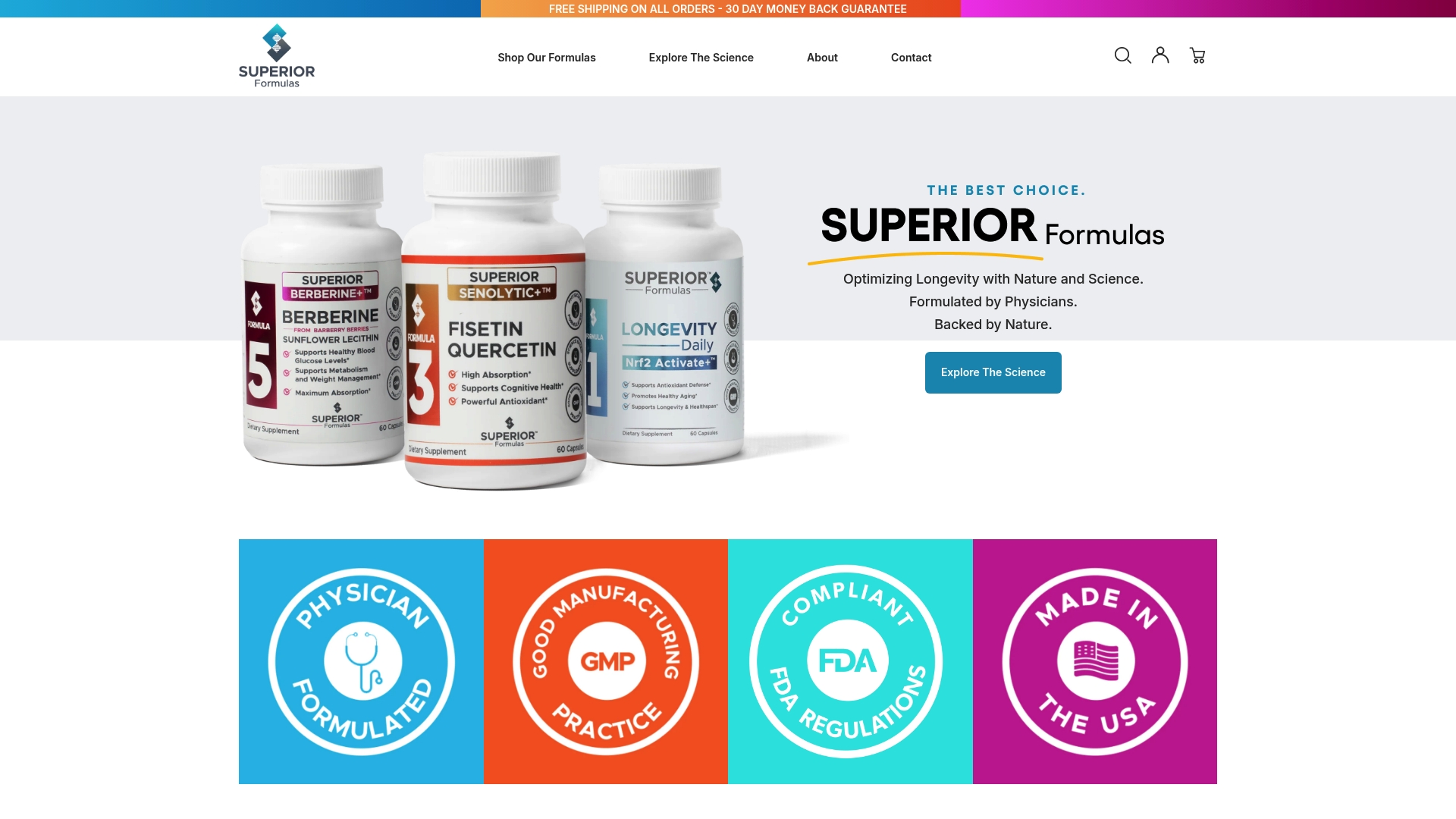
If you are ready to move from understanding antioxidants to acting on that knowledge, the Superiorformulas supplement catalog is a practical next step. You can also read the cellular defense supplement guide to see how specific formulations align with the Nrf2 and AMPK pathways discussed here. Clean ingredients, transparent labeling, and evidence-based dosing are the standard at Superiorformulas.
FAQ
What are cellular antioxidants?
Cellular antioxidants are molecules that neutralize free radicals and reactive oxygen species inside cells, protecting DNA, proteins, and membranes from oxidative damage. They include both endogenous compounds like glutathione and superoxide dismutase, and exogenous compounds like polyphenols and vitamins C and E.
How do antioxidants help with aging?
Antioxidants slow aging by reducing oxidative stress, activating longevity pathways like AMPK and SIRT1, and supporting mitochondrial function. Aging naturally decreases Nrf2 activity, so antioxidants that reactivate this pathway are particularly relevant for healthy aging.
Are antioxidant supplements safe?
Antioxidant supplements are safe at physiological doses but follow a U-shaped dose-response curve, meaning excessive intake disrupts redox signaling and can increase health risks. Whole food sources are the safest delivery method; supplements should fill specific gaps rather than replace dietary antioxidants.
What is the best form of glutathione to supplement?
The oxidized form of glutathione (GSSG) is more effective for raising cellular glutathione levels because it triggers endogenous GSH production inside cells. Reduced glutathione (GSH) supplements are often degraded before reaching cells intact.
Why use cellular antioxidants from whole foods instead of pills?
Whole foods deliver antioxidants alongside fiber, vitamins, and co-factors that create synergistic effects no isolated supplement can replicate. Health authorities consistently recommend a rainbow diet of plant foods as the primary antioxidant strategy, with supplements reserved for targeted support.


