


Walk into any pharmacy or open any health app and you face an immediate problem: hundreds of products, each promising to address a different need, with labels dense enough to require a biochemistry degree to parse. For adults over 35 focused on longevity and cellular health, the types of dietary supplements worth considering are genuinely different from what worked at 25. Your body’s absorption capacity changes, nutrient needs shift, and the stakes for choosing poorly get higher. This guide cuts through the noise with an evidence-based framework that helps you evaluate, compare, and select supplements that actually match your biology and goals.
Table of Contents
- How to evaluate dietary supplements: Key criteria for health-conscious adults
- Common types of dietary supplements and their health roles
- Comparing popular dietary supplements: Evidence and considerations
- Supplement types comparison table: Features, forms, benefits, and cautions
- Choosing the right supplements: Personalized recommendations for adults 35+
- The uncomfortable truth about popular dietary supplements
- Explore evidence-based supplements tailored for longevity and cellular health
- Frequently asked questions
Key Takeaways
| Point | Details |
|---|---|
| Evaluate supplements carefully | Check labels, FDA compliance, and third-party certifications before choosing supplements. |
| Prefer food-first nutrition | Whole foods provide balanced nutrients that better reduce chronic disease risks than isolated supplements. |
| Focus on evidence-backed types | Vitamin D, B12, folic acid, magnesium, omega-3, and creatine have the strongest support for adults 35+. |
| Personalize supplement use | Start with nutrient blood testing and tailor dosages based on age, diet, and health status. |
| Beware of excessive dosing | High doses can cause harm or interfere with medications, so consult healthcare professionals. |
How to evaluate dietary supplements: Key criteria for health-conscious adults
Before you can compare categories of supplements, you need a reliable filter. Not every product on a shelf deserves equal consideration, and the regulatory environment for dietary supplements gives more latitude to manufacturers than most people realize.
Start with the label itself. FDA regulations require that every dietary supplement list its ingredients alongside their amounts and percentage of Daily Value. If a product’s Supplement Facts panel is vague or lists proprietary blends without individual ingredient quantities, that is a red flag. Undisclosed dosages make it impossible to know whether you are getting a clinically meaningful amount of anything.
Key criteria to check before purchasing:
- Supplement Facts label lists every ingredient with milligrams and % Daily Value where applicable
- Company has filed a structure/function claim notification with the FDA, as required by law
- Third-party certification visible on the label (USP, NSF International, or Informed Sport)
- No claims that the product “treats” or “cures” any disease, which falls outside legal supplement territory
- Manufacturer is GMP-certified
How to verify what you are reading:
- Search the product name on the FDA’s Dietary Supplement Label Database
- Cross-reference the third-party certification on the certifying body’s website directly
- Look for a Certificate of Analysis from independent lab testing on the brand’s website
- Check the NIH Office of Dietary Supplements fact sheets for your target nutrient
Pro Tip: Avoid supplements that deliver more than 200% of the Daily Value for any nutrient unless a clinical study specifically supports that excess amount for your condition. Higher numbers do not mean better results and can create toxicity risks over time.
When evaluating supplement quality, the form of an ingredient matters as much as the ingredient itself. Magnesium oxide and magnesium glycinate are both “magnesium,” but glycinate absorbs significantly better and causes fewer gastrointestinal issues. The label alone does not always tell that story.
With a clear framework in hand, let’s explore the most common types of dietary supplements in detail.
Common types of dietary supplements and their health roles
Dietary supplements span vitamins, minerals, herbs, amino acids, enzymes, probiotics, and fatty acids, arriving in pill, powder, and liquid forms. That is a wide net. For adults over 35, the relevant categories narrow considerably when filtered by evidence quality and physiological need.

Vitamins and minerals address the most common nutrient gaps in aging adults. Vitamin D deficiency is near-universal in northern latitudes. B12 absorption declines after age 35 as gastric acid production decreases. Calcium and magnesium support bone density and neuromuscular function. These are the foundational different dietary supplements for a reason: the clinical data is deep and the deficiency patterns are measurable.
Fatty acids such as omega-3 (EPA and DHA) earned their reputation through decades of cardiovascular research. At the cellular level, omega-3s integrate into membrane phospholipids, influencing inflammation signaling and membrane fluidity. This is particularly relevant as cellular membranes become less flexible with age.
Amino acids support both structural and metabolic functions. L-carnitine aids mitochondrial fatty acid transport, which matters for energy metabolism as mitochondrial efficiency declines with age. Creatine, technically a compound synthesized from amino acids, has strong evidence for preserving muscle mass and supporting cellular energy via ATP regeneration.
Probiotics received enormous research attention in the last decade. They modulate the gut microbiome, and emerging data connects gut flora diversity to immune function, mood regulation, and even systemic inflammation. The strain specificity matters here: Lactobacillus rhamnosus GG behaves very differently than Bifidobacterium longum.
“The most studied supplement categories include vitamins C and E, minerals like calcium and magnesium, omega-3 fatty acids, L-carnitine, probiotics, and botanicals, each with distinct mechanisms and varying levels of clinical support.”
Botanicals and herbal extracts occupy the most complex space. Compounds like resveratrol, berberine, and ashwagandha have legitimate science behind them, but the evidence is often less consistent than what exists for vitamins and minerals. Quality varies dramatically between brands. When looking at supplements for longevity, physician-formulated botanical extracts standardized to specific polyphenol concentrations represent a more reliable tier than generic herbal blends.
The distinction between physician-formulated supplements and mass-market botanicals comes down to ingredient standardization, dose verification, and clinical rationale behind each formulation.
Understanding these types prepares us to compare their benefits and limitations more precisely.
Comparing popular dietary supplements: Evidence and considerations
Not all popular types of supplements carry equal clinical weight. This is where many adults over 35 get misled by marketing budgets rather than data quality.
Evidence strength varies dramatically across categories: vitamin D, B12, and folic acid have strong clinical backing; magnesium and omega-3 show moderate but meaningful support; and many herbal supplements operate on weak or preliminary evidence.
What the evidence actually supports:
- Vitamin D3: High confidence for bone health, immune modulation, and mood regulation, especially in deficient individuals
- Vitamin B12 (methylcobalamin form): Strongly recommended for adults over 35, who commonly show declining absorption
- Folic acid / methylfolate: Critical for pregnancy and cardiovascular methylation pathways; less necessary if dietary intake is solid
- Magnesium glycinate: Moderate evidence for migraine prevention, sleep quality, and blood sugar regulation
- Omega-3 (EPA/DHA): Heart health benefits are real, but dose matters; excess omega-3 intake above 1,000 mg per day may raise atrial fibrillation risk
- Creatine monohydrate: Underutilized by adults over 35; strong evidence for preserving muscle mass, cognitive support, and cellular ATP production
- CoQ10: Useful for those on statins; consult a physician before use due to potential medication interactions
“Before adding any supplement, assess whether a documented deficiency or clinical indication exists. The effectiveness of preventive supplement use depends heavily on baseline nutritional status.”
Pro Tip: Request a blood panel that includes 25-OH vitamin D, serum B12, red blood cell magnesium, and omega-3 index before spending money on any of these categories. Supplementing nutrients you already have in adequate amounts typically produces no benefit and can create imbalances.
Understanding quality supplement importance means recognizing that where you source a supplement influences whether any of this evidence applies to what you are actually taking.
Supplement types comparison table: Features, forms, benefits, and cautions
This table summarizes vital details to help narrow your supplement choices wisely.
| Supplement type | Common forms | Typical dose | Key benefits | Safety notes | Best for |
|---|---|---|---|---|---|
| Vitamin D3 | Softgel, liquid drops | 1,000–2,000 IU daily | Bone density, immunity, mood | Toxicity possible above 4,000 IU long-term | Adults with limited sun exposure |
| Vitamin B12 | Sublingual tablet, capsule | 500–1,000 mcg daily | Nerve function, energy, methylation | Generally safe; methylcobalamin preferred | Adults 35+ with absorption decline |
| Magnesium glycinate | Capsule, powder | 200–400 mg daily | Sleep, muscle, blood sugar | Loose stools at high doses (especially oxide form) | Adults with migraines or metabolic concerns |
| Omega-3 (EPA/DHA) | Softgel, liquid | 500–1,000 mg combined | Heart, brain, cellular membranes | Avoid >1,000 mg without physician guidance | Adults with cardiovascular risk |
| Creatine monohydrate | Powder | 3–5 g daily | Muscle, cellular energy, cognition | Kidney caution in renal disease | Adults 35+ seeking muscle preservation |
| Probiotics | Capsule, powder | 10–50 billion CFU | Gut microbiome, immunity | Strain-specific; refrigeration required for some | Adults with digestive or immune concerns |
| Botanicals (e.g., ashwagandha) | Capsule, extract | Varies by compound | Adaptogen, stress modulation | Weak or variable evidence; drug interactions possible | Complementary use with medical guidance |
FDA labeling requirements mandate accurate Supplement Facts panels and specific disclaimers, yet product quality still varies widely. Third-party certification is the most practical safeguard for verifying that what is on the label is actually in the bottle.
When assessing supplement ingredients and safety, fillers, binders, and flow agents in poorly formulated products can affect both absorption and tolerability. Clean formulations matter.
Choosing the right supplements: Personalized recommendations for adults 35+
Personalization is not a marketing word here. It reflects a biological reality: two adults of the same age with different diets, genetics, and health histories will have genuinely different supplement needs.
How to approach your supplement protocol step by step:
- Get a baseline blood panel covering vitamin D, B12, iron, magnesium, and lipids before purchasing anything
- Prioritize deficiencies first; then consider performance or longevity-focused additions
- Choose multivitamins calibrated to deliver 50 to 150% Daily Value for essential nutrients, matched to your sex and life stage; men and postmenopausal women generally should avoid iron-containing formulas unless deficient
- Select mineral forms with better bioavailability, such as magnesium glycinate over magnesium oxide, or calcium citrate over calcium carbonate
- For adaptogenic botanicals like ashwagandha or rhodiola, cycle use every 6 to 8 weeks to prevent tolerance accumulation
- Always disclose your supplement regimen to your physician, particularly if you take anticoagulants, thyroid medications, or immunosuppressants
Vitamin B12 supplementation deserves particular attention for adults over 35, since gastric acid production and intrinsic factor availability both decline with age, making dietary B12 increasingly difficult to absorb from food alone.
Pro Tip: Track your diet for two weeks using a nutrition app before finalizing your supplement list. Most adults are surprised to discover they are already meeting several Daily Values through food, which narrows the list of genuinely needed supplements considerably.
Science-driven supplementation follows a simple hierarchy: identify real gaps, select verified forms at clinically supported doses, and adjust based on measurable outcomes. For personalized supplement strategies tied to longevity markers and cellular health, that sequence is non-negotiable.
The uncomfortable truth about popular dietary supplements
Here is what most supplement articles will not say plainly: the majority of people taking popular supplements would experience no measurable health decline if they stopped tomorrow. That is not speculation. It is what the data shows when you strip away industry-funded studies and examine independently replicated clinical outcomes.
The supplement industry is structured around the concept of optimization, which implies that average levels of any nutrient are somehow insufficient. For a well-nourished adult eating a varied diet, that premise is largely false. Whole foods deliver fiber, phytochemicals, and nutrient cofactors that isolated supplements cannot replicate, and they do a better job of reducing chronic disease risk over time.
What is genuinely true is that specific groups of adults have real, measurable, clinically meaningful deficiencies: those with limited sun exposure (vitamin D), people eating plant-predominant diets (B12, zinc, iron), adults over 50 with decreased gastric acid (B12, calcium), and individuals on long-term medications (statins deplete CoQ10; metformin depletes B12). These groups benefit clearly from targeted supplementation.
The problem is that marketing does not distinguish between those populations and everyone else. Supplements advertised for “cellular energy” or “immune support” frequently contain ingredients without any clinical evidence in healthy, non-deficient adults. The FDA oversight framework allows structure/function claims with relatively low evidentiary bars, which means label language can sound compelling while the supporting data is thin.
Our perspective: use supplements as the name implies, to supplement a strong dietary foundation, not to substitute for it. Assessing supplements against real wellness goals means asking whether a documented gap exists, not whether a label sounds persuasive.
Pro Tip: Before adding any new supplement, track your actual dietary intake for two weeks. This single step eliminates unnecessary spending and reveals where supplementation genuinely earns its place.
Explore evidence-based supplements tailored for longevity and cellular health
If you’ve worked through this guide and confirmed that targeted supplementation fits your needs, the next question is where to find formulations that actually meet the standards described above.
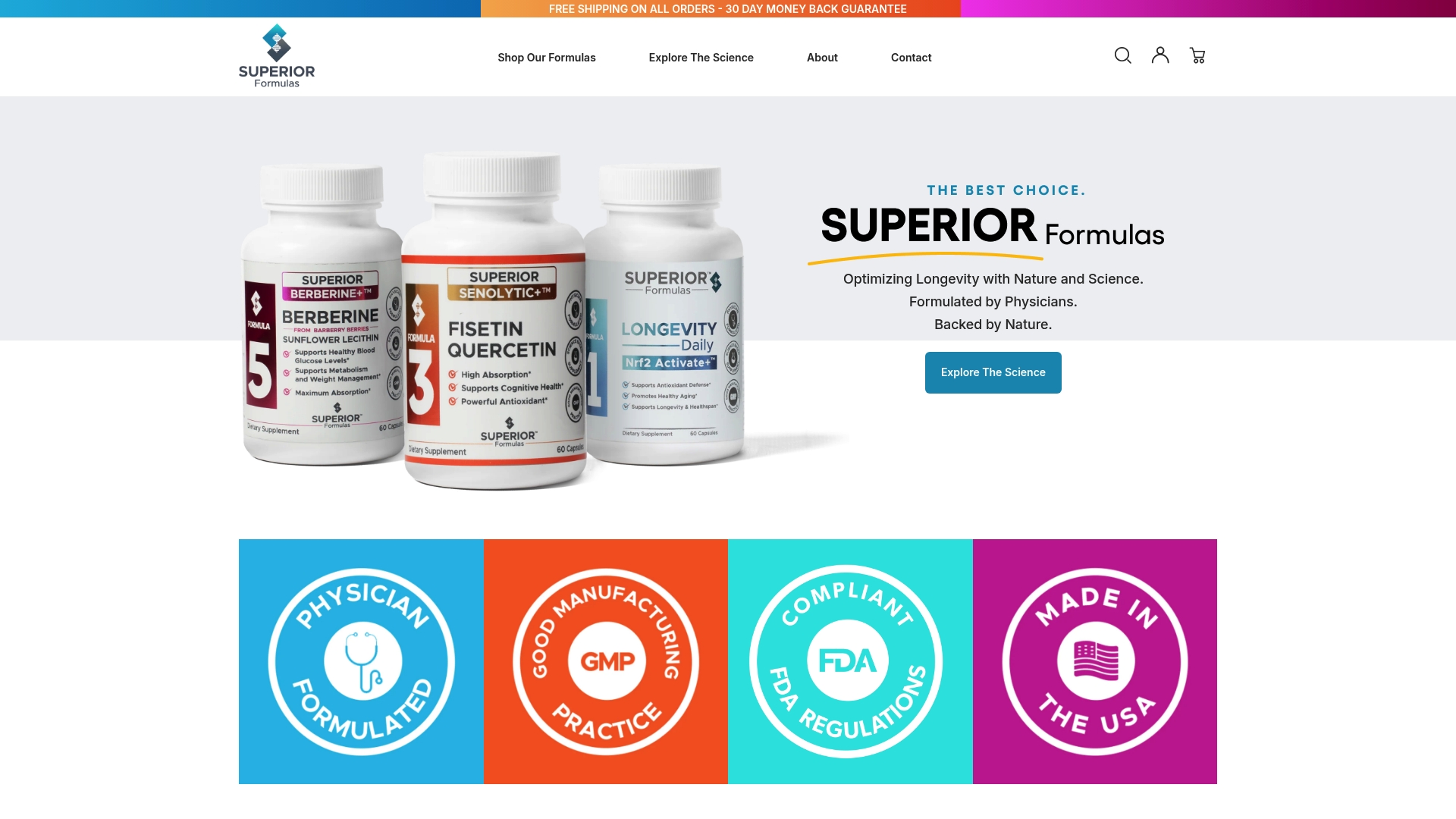
Superior Formulas was built specifically for adults who have done their research. Every product in our line is physician-formulated, manufactured in a GMP-certified facility, and third-party tested for purity and potency. Our formulations prioritize bioavailable ingredient forms, clinically supported dosages, and clean delivery without unnecessary fillers. From cellular defense to longevity supplement protocols, we design each product around the science, not the marketing trend. Explore our full range of quality dietary supplements and find the targeted support that matches your biology and goals.
Frequently asked questions
What are the main types of dietary supplements for adults over 35?
The main types include vitamins, minerals, fatty acids like omega-3, amino acids, probiotics, and botanicals, with the most clinically supported options for adults over 35 being vitamin D, B12, magnesium, and omega-3. Dietary supplements span a wide range of forms and functions, so individual need determines which categories apply.
Are high doses of supplements more effective for longevity?
No. High doses often provide no additional benefit and can increase health risks. Excess omega-3 intake above 1,000 mg per day, for example, may raise atrial fibrillation risk, and many vitamins become counterproductive at megadose levels.
How can I ensure a supplement’s quality and safety?
Choose products with verified Supplement Facts labels, GMP-certified manufacturing, and third-party certifications from USP or NSF International. FDA labeling standards require ingredient accuracy and specific disclaimers, but third-party testing is the strongest independent confirmation of what a product actually contains.
Should I get tested for nutrient deficiencies before supplementing?
Yes. Blood testing before supplementing for nutrients like B12 and vitamin D is strongly recommended for adults over 35, ensuring that supplementation is targeted, safe, and based on actual physiological need rather than assumption.
Can herbal supplements replace traditional vitamins or minerals?
No. Herbal supplements generally carry weaker and less consistent clinical evidence than vitamins and minerals for essential health functions. They can serve a complementary role under medical guidance, but they are not suitable replacements for nutrients with established deficiency-based requirements.
If you are weighing which category of supplement fits a health-conscious routine, our Formula 9 — Superior Multi+ Daily (with AREDS2 nutrients) was designed with exactly this clinical rationale in mind. Explore the science behind the formulation to see how it applies to your own routine.
Recommended
- How to assess dietary supplements for real wellness gains - SUPERIOR Formulas
- Supplements in preventive health: What really works? - SUPERIOR Formulas
- Implement science-driven supplementation for better health - SUPERIOR Formulas
- How Dietary Supplements Support Longevity and Cellular Health - SUPERIOR Formulas


