


 through a coordinated system of enzymes and nutrients. The standard scientific term for this n...&media=http://cdn//csuxjmfbwmkxiegfpljm.supabase.co/storage/v1/object/public/blog-images/organization-27528/1781935948591_Technician-handling-mineral-cofactors-in-lab.jpeg)


The antioxidant pathway is the body’s primary biochemical defense network against oxidative damage, neutralizing reactive oxygen species (ROS) through a coordinated system of enzymes and nutrients. The standard scientific term for this network is the “cellular antioxidant defense system,” and it operates through two distinct arms: enzymatic antioxidants produced inside your cells and non-enzymatic antioxidants sourced from food. Enzymes like superoxide dismutase, catalase, and glutathione peroxidase form the internal defense layer. Vitamins C and E, along with polyphenols, supply the dietary layer. Master regulators like the Nrf2 pathway sit above both systems, switching on antioxidant gene expression when oxidative stress rises. For adults over 30, when natural enzyme production begins to decline, understanding how these systems work together is the foundation of any serious longevity strategy.
What is the antioxidant pathway and how does it work?
The antioxidant pathway is not a single reaction. It is a layered network where enzymatic and non-enzymatic systems work in sequence to neutralize ROS before they damage DNA, proteins, or cell membranes.
Enzymatic antioxidants: the internal engine
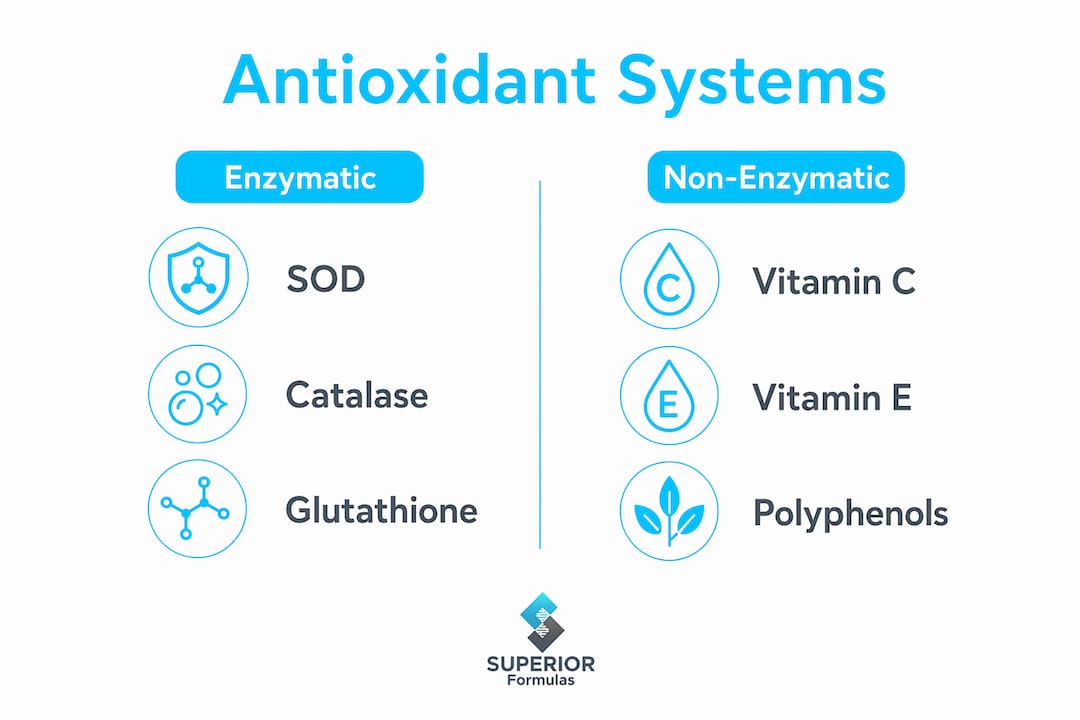
Enzymatic antioxidants are proteins your body manufactures. Superoxide dismutase (SOD) converts the superoxide radical into hydrogen peroxide. Catalase then breaks hydrogen peroxide into water and oxygen. Glutathione peroxidase handles the remaining peroxide load using glutathione as a cofactor. The efficiency of these enzymes is extraordinary. Catalase can transform up to 6 billion hydrogen peroxide molecules per single enzyme molecule. That rate makes it one of the fastest biological catalysts known.
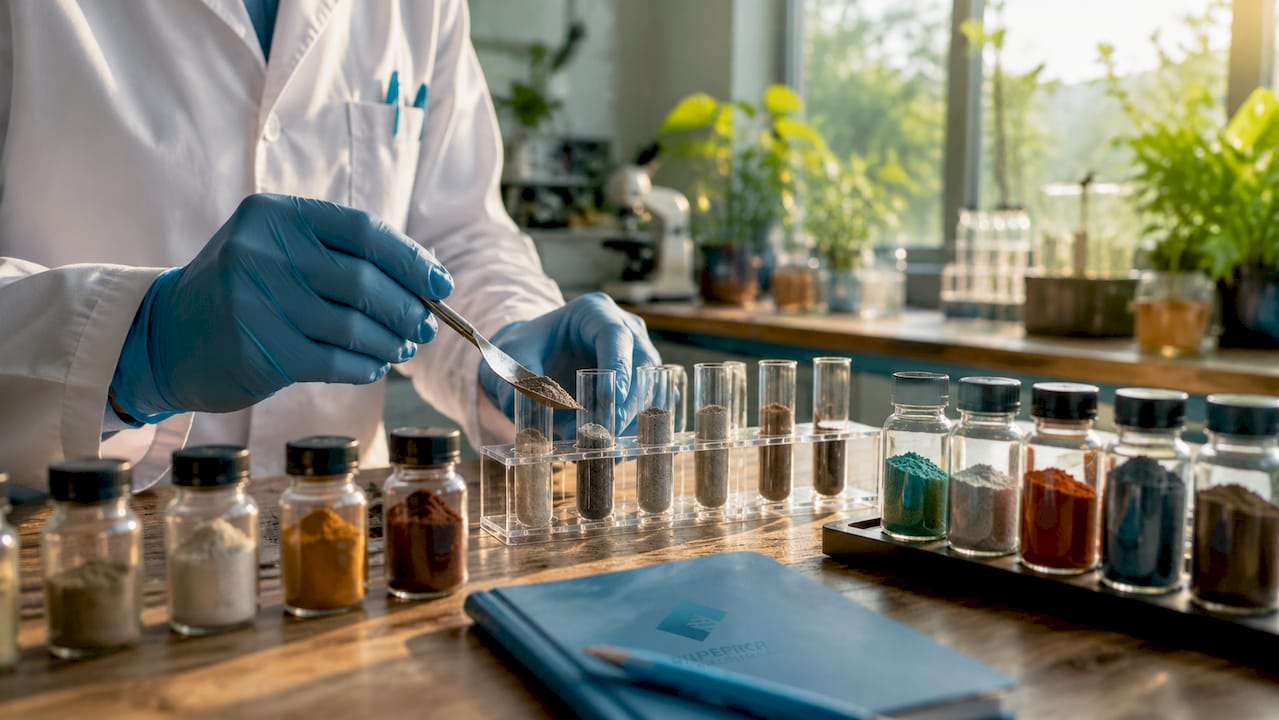
These enzymes do not work alone. Mineral cofactors including copper, zinc, manganese, and selenium are required to activate SOD and glutathione peroxidase. Without adequate dietary minerals, antioxidant enzymes cannot function effectively, even when supplemented. This is why a diet rich in whole foods matters far beyond any single supplement.
Non-enzymatic antioxidants: the dietary layer
Non-enzymatic antioxidants include vitamin C, vitamin E, and polyphenols such as resveratrol and quercetin. Vitamin E protects cell membranes by neutralizing lipid peroxyl radicals. Vitamin C works in the water-soluble compartments of the cell. The two nutrients also regenerate each other. Vitamin C donates electrons to restore oxidized vitamin E, allowing continued membrane protection. This recycling mechanism sustains antioxidant capacity far longer than either nutrient could alone.
The ascorbate–glutathione pathway connects both systems biochemically. Four enzymes cycle ascorbate and glutathione between their oxidized and reduced states, linking hydrogen peroxide reduction with NADPH oxidation. This cycle is a core mechanism by which dietary vitamin C feeds directly into enzymatic detoxification.
| Antioxidant | Type | Primary Role | Key Cofactor |
|---|---|---|---|
| Superoxide dismutase | Enzymatic | Converts superoxide to H₂O₂ | Copper, zinc, manganese |
| Catalase | Enzymatic | Breaks down H₂O₂ to water | Iron |
| Glutathione peroxidase | Enzymatic | Reduces peroxides via glutathione | Selenium |
| Vitamin C (ascorbate) | Non-enzymatic | Neutralizes aqueous ROS, recycles vitamin E | None required |
| Vitamin E (tocopherol) | Non-enzymatic | Protects cell membranes from lipid oxidation | None required |
| Polyphenols | Non-enzymatic | Scavenge ROS, activate Nrf2 signaling | None required |
Pro Tip: If you take antioxidant supplements, pair them with a mineral-rich diet. Selenium, zinc, and copper are the cofactors that make your enzymatic defenses actually run.
How does the Nrf2 pathway regulate antioxidant defenses?
The Nrf2 signaling pathway is the body’s master switch for antioxidant gene expression. Under normal conditions, the protein Keap1 keeps Nrf2 inactive. When oxidative stress rises, Keap1 releases Nrf2, which travels to the cell nucleus and binds the antioxidant response element (ARE). This binding activates genes encoding SOD, catalase, glutathione peroxidase, and dozens of other protective proteins.
Phytochemicals like resveratrol and quercetin activate Nrf2, promoting internal antioxidant production rather than relying solely on external supplements. This distinction matters. Activating Nrf2 produces a sustained, self-amplifying wave of antioxidant enzymes. Taking a single antioxidant supplement delivers a fixed, one-time dose of ROS neutralization. The signaling approach scales with the body’s actual needs.
The Nrf2 pathway also connects to AMPK, the cellular energy sensor activated by exercise and caloric restriction. This overlap explains why lifestyle factors like regular physical activity and a plant-rich diet produce antioxidant benefits that no supplement fully replicates. Viewing antioxidants as signaling molecules activating pathways like Nrf2 and AMPK shifts the focus toward long-term cellular resilience rather than temporary ROS neutralization.
“The Nrf2 pathway is not just a cleanup crew. It is the body’s adaptive intelligence, calibrating antioxidant output to match the actual oxidative load in real time.”
Key phytochemicals that activate Nrf2 include:
- Resveratrol (found in red grapes and berries)
- Quercetin (found in onions, apples, and capers)
- Sulforaphane (found in broccoli sprouts)
- Curcumin (found in turmeric)
- Epigallocatechin gallate (EGCG) (found in green tea)
Genetic variation also plays a role here. Individual differences in antioxidant enzyme expression affect how strongly any person responds to Nrf2 activation. This is why two people eating the same diet can have meaningfully different oxidative stress profiles.
What are the practical benefits of supporting antioxidant pathways naturally?
Supporting the antioxidant pathway through diet and lifestyle produces measurable benefits for cellular protection, metabolic balance, and healthy aging. The evidence points clearly to whole foods as the primary vehicle.
Mayo Clinic guidance advises consuming antioxidants daily through fruits, vegetables, nuts, and whole grains. Vitamin C is water-soluble and not stored in the body, so daily replenishment through food is required. Fat-soluble antioxidants like vitamin E accumulate in tissues, but they still depend on dietary vitamin C for regeneration.
A practical daily approach for adults over 30 includes:
- Eat a wide color range of vegetables and fruits. Different pigments represent different antioxidant compounds. Carotenoids, anthocyanins, and flavonoids each target different ROS types.
- Include cruciferous vegetables several times per week. Broccoli, kale, and Brussels sprouts are among the richest sources of sulforaphane, a potent Nrf2 activator.
- Prioritize mineral-dense foods. Brazil nuts supply selenium. Pumpkin seeds supply zinc. Oysters and liver supply copper. These minerals activate your enzymatic defenses.
- Limit processed foods and excess alcohol. Both generate ROS faster than the antioxidant pathway can clear them, creating a chronic oxidative burden.
- Exercise regularly at moderate intensity. Moderate exercise creates a mild hormetic stress that activates Nrf2 and strengthens long-term antioxidant capacity.
One common misconception is that more antioxidant supplementation always produces better outcomes. Excessive antioxidant supplementation can disrupt beneficial ROS signaling essential for immune function and exercise adaptation. ROS at low concentrations act as cellular messengers. Flooding the system with exogenous antioxidants can blunt these signals. The goal is balance, not elimination.
Pro Tip: Before adding high-dose antioxidant supplements, check your diet for mineral gaps first. Selenium and zinc deficiencies are common and directly limit enzymatic antioxidant function. Explore an antioxidant support checklist to identify what your cells actually need.
How do antioxidant pathways interact to protect cellular health?
The antioxidant defense system is not a collection of independent reactions. It is an interconnected network where each pathway compensates for and supports the others.
The glutathione system and the thioredoxin system are the two central hubs of this network. Glutathione and thioredoxin pathways work cooperatively to neutralize ROS and maintain cellular redox homeostasis. Glutathione peroxidase uses glutathione to reduce hydrogen peroxide and lipid peroxides. Glutathione reductase then regenerates oxidized glutathione using NADPH. The thioredoxin system runs a parallel cycle, reducing oxidized proteins and supporting DNA synthesis. Both pathways are crucial for preventing oxidative damage and may influence tumorigenesis.
These systems matter for disease prevention in a direct way. Chronic oxidative stress, when antioxidant pathways cannot keep pace with ROS production, contributes to cardiovascular disease, neurodegeneration, and metabolic dysfunction. Supporting both the glutathione and thioredoxin systems through diet and targeted supplementation addresses the root biochemical mechanism, not just the symptoms.
One nuance that often gets overlooked: antioxidant activity and antioxidant capacity are not the same thing. Activity measures how fast an antioxidant reacts with a free radical in a test tube. Capacity measures the total amount of oxidative damage it can neutralize in a living system. A supplement with impressive in vitro activity metrics may have poor bioavailability and limited real-world effect. This is why food-based antioxidants and Nrf2-activating compounds often outperform isolated high-dose supplements in clinical outcomes.
| Pathway | Key Components | Primary Function | Disease Relevance |
|---|---|---|---|
| Enzymatic (SOD/Catalase) | SOD, catalase, mineral cofactors | Converts superoxide and H₂O₂ to water | Cardiovascular protection, aging |
| Glutathione system | Glutathione, glutathione peroxidase, reductase | Reduces peroxides, recycles glutathione | Cancer prevention, liver health |
| Thioredoxin system | Thioredoxin, thioredoxin reductase | Reduces oxidized proteins, supports DNA repair | Neurodegeneration, immune function |
| Nrf2 signaling | Nrf2, Keap1, ARE genes | Activates antioxidant gene expression | Longevity, metabolic health |
| Ascorbate–glutathione cycle | Vitamin C, glutathione, four enzymes | Links dietary antioxidants to enzymatic defense | Cellular redox balance |
The practical implication is clear. Supporting glutathione for cellular health through both dietary precursors like cysteine and glycine and lifestyle factors like sleep and exercise strengthens the entire network, not just one branch of it.
Key Takeaways
The antioxidant pathway is a layered, self-regulating network where enzymatic systems, dietary nutrients, and signaling pathways like Nrf2 must all function together to protect cells from oxidative damage.
| Point | Details |
|---|---|
| Two-arm defense system | Enzymatic antioxidants (SOD, catalase, glutathione peroxidase) and dietary antioxidants (vitamins C and E, polyphenols) work together. |
| Mineral cofactors are non-negotiable | Copper, zinc, selenium, and manganese activate antioxidant enzymes; deficiency limits the entire system. |
| Nrf2 is the master regulator | Phytochemicals like resveratrol and quercetin activate Nrf2, triggering sustained internal antioxidant production. |
| Balance beats excess | Excessive supplementation disrupts ROS signaling needed for immune function and exercise adaptation. |
| Activity does not equal capacity | In vitro antioxidant scores do not predict real-world cellular protection; bioavailability and pathway activation matter more. |
Why I think most people are approaching antioxidants backward
Most adults over 30 who start thinking about oxidative stress reach for a high-dose vitamin C or resveratrol supplement. I understand the logic. The science on ROS damage is clear, and supplements feel like a direct solution. But after years of working through the biochemistry and watching how people actually respond, I think this approach misses the point.
The antioxidant pathway is not a tank you fill up. It is a signaling system you train. The most durable protection comes from activating Nrf2 through diet, exercise, and targeted phytochemicals, not from flooding cells with exogenous antioxidants. Sulforaphane from broccoli sprouts, quercetin from onions, and moderate aerobic exercise each do something a supplement bottle cannot: they teach your cells to produce their own defenses on demand.
The second thing most people miss is the mineral layer. You can eat all the polyphenols you want, but if your selenium or zinc intake is low, your glutathione peroxidase and SOD are running at reduced capacity. Fix the mineral gaps first. Then consider whether supplementation adds anything beyond what a well-structured diet already provides. For a deeper look at when supplements genuinely help, the science on antioxidant supplementation is worth reading before you spend money on high-dose formulas.
The emerging research on antioxidants as signaling molecules is the most exciting shift in this field. It reframes the entire conversation from “neutralize ROS” to “build cellular intelligence.” That is the direction worth paying attention to.
— cristopher
Superiorformulas and the science of antioxidant support
Superiorformulas was founded on exactly the principle this article describes: that effective antioxidant support requires physician-level understanding of how pathways interact, not just a list of popular ingredients.
Every Superiorformulas formulation is built around bioavailable compounds selected for their ability to activate pathways like Nrf2, support glutathione recycling, and supply the mineral cofactors that enzymatic defenses actually need. Products are manufactured in GMP-certified facilities and tested by third parties for purity and potency. If you are over 30 and serious about cellular resilience, the longevity supplement line at Superiorformulas gives you a science-grounded starting point. For those who want to understand what their cells need before supplementing, the guide on boosting antioxidants after 30 is a practical next step.
FAQ
What is the antioxidant pathway in simple terms?
The antioxidant pathway is the body’s built-in system for neutralizing harmful reactive oxygen species before they damage cells. It includes enzymes produced internally and nutrients obtained from food, all coordinated by signaling regulators like Nrf2.
How does the Nrf2 pathway differ from taking antioxidant supplements?
Nrf2 activation triggers your cells to produce their own antioxidant enzymes in sustained quantities, while a supplement delivers a fixed, one-time dose. Phytochemicals like quercetin and sulforaphane activate Nrf2, making them more effective for long-term cellular resilience than isolated antioxidant supplements.
Why do mineral cofactors matter for antioxidant function?
Minerals like selenium, zinc, copper, and manganese are required to activate key antioxidant enzymes including superoxide dismutase and glutathione peroxidase. Without adequate mineral intake, these enzymes cannot function at full capacity regardless of supplementation.
Can you take too many antioxidant supplements?
Yes. Excessive antioxidant supplementation can interfere with beneficial ROS signaling that the immune system and muscles rely on for adaptation. Experts recommend maintaining redox balance through diet and targeted supplementation rather than high-dose antioxidant loading.
What foods best support the antioxidant pathway?
Fruits, vegetables, nuts, whole grains, and cruciferous vegetables like broccoli and kale are the strongest dietary supports for the antioxidant pathway. These foods supply both direct antioxidants and Nrf2-activating phytochemicals that strengthen internal enzyme production.


