


Antioxidant supplements are one of the most heavily marketed categories in the wellness industry, yet the science behind them is far more nuanced than most product labels suggest. Free radicals are real, oxidative stress is a genuine driver of cellular aging, and antioxidants do play a measurable role in protecting your cells. But the leap from that biology to “take this supplement daily for better health” skips over decades of clinical trial data that tell a more complicated story. This checklist cuts through the noise by grounding your antioxidant strategy in evidence, helping you prioritize what genuinely supports longevity and cellular resilience.
Table of Contents
- How to evaluate antioxidant support: Your criteria framework
- Top food-based antioxidants and their benefits
- Antioxidant supplements: Pros, cons, and research red flags
- Personalizing your checklist: Deficiency, risk, and smart decisions
- Why an evidence-based checklist beats supplement hype
- Explore advanced support for your unique needs
- Frequently asked questions
Key Takeaways
| Point | Details |
|---|---|
| Prioritize whole foods | Eat a wide variety of colorful fruits, vegetables, and nuts for the safest and most effective antioxidant support. |
| Evidence matters most | Rely on high-quality clinical research, not marketing claims, to choose antioxidant strategies. |
| Supplements need caution | Routine antioxidant supplementation has not proven beneficial and may even carry risks, particularly in healthy adults. |
| Personalize your choices | Consult a healthcare provider and consider testing before adding antioxidant supplements to your routine. |
| More is not always better | Avoid excessive dosing; high intake of some antioxidants may be harmful, especially without a proven need. |
How to evaluate antioxidant support: Your criteria framework
The first step toward smarter antioxidant choices is understanding what antioxidants actually are. At the biochemical level, they are substances that neutralize reactive oxygen species (ROS), which are unstable molecules generated during normal metabolism, stress, pollution exposure, and aging. The problem is not ROS itself but an imbalance between ROS production and your body’s ability to neutralize it.
With that foundation set, here is the criteria framework we recommend you apply to any antioxidant strategy, whether it involves food, lifestyle, or supplementation.
Key evaluation criteria:
- Evidence quality: Prioritize results from large, randomized controlled trials and systematic reviews. Avoid strategies backed only by in-vitro (test tube) data or animal studies.
- Diet first: Whole-food antioxidant intake delivers naturally balanced phytonutrients, fiber, and cofactors that isolated supplements cannot replicate.
- Supplement caution: Only consider targeted supplementation when a diagnosed deficiency, disease state, or clinician guidance specifically supports it.
- Dose awareness: High doses of certain antioxidants can disrupt the body’s redox signaling rather than support it, creating harm rather than protection.
- Baseline evaluation: Your current antioxidant status, age, medications, and existing conditions all affect whether any supplement would benefit you.
- Ingredient transparency: If you do use supplements, choose products that are third-party tested, clearly labeled, and free from unnecessary fillers.
“Evidence from Cochrane systematic reviews does not support routine antioxidant supplementation for primary or secondary prevention of mortality in the general population.”
This matters because most people approaching antioxidant support do so without a diagnosed deficiency. In that scenario, a well-designed diet is genuinely your most powerful and safest tool. Our science-backed longevity guide goes deeper into how to build that foundation systematically.
Pro Tip: Before adding any antioxidant supplement to your routine, request bloodwork from your physician. Baseline levels of vitamin D, selenium, zinc, and vitamin C can reveal where you genuinely need support and where supplementation would be redundant.
Top food-based antioxidants and their benefits
Now that you know what to look for, start by leveraging antioxidant-rich foods to build your foundation for cellular health. The NIH Office of Dietary Supplements defines antioxidants as substances that protect cells from free-radical damage and identifies a well-established list of dietary sources and their associated compounds.
Major dietary antioxidants and what they do:
- Vitamin C: Water-soluble and found abundantly in citrus fruits, bell peppers, strawberries, and broccoli. It directly neutralizes ROS in aqueous environments and also regenerates vitamin E after it has been oxidized, effectively recycling another antioxidant.
- Vitamin E: Fat-soluble and concentrated in nuts, seeds, sunflower oil, and wheat germ. It works primarily in cell membranes, protecting polyunsaturated fatty acids from oxidative damage.
- Beta-carotene and other carotenoids: Found in carrots, sweet potatoes, leafy greens, and tomatoes. Carotenoids are fat-soluble pigments with antioxidant properties. Lutein and zeaxanthin specifically support retinal health, while lycopene (found in cooked tomatoes) is associated with prostate and cardiovascular health.
- Selenium: A trace mineral found in Brazil nuts, seafood, eggs, and whole grains. It is a structural component of glutathione peroxidase, one of the body’s most critical enzymatic antioxidant defenses.
- Zinc: Found in red meat, shellfish, legumes, and seeds. Zinc supports the activity of superoxide dismutase (SOD), another key enzymatic antioxidant system.
- Polyphenols: Flavonoids, resveratrol, and curcumin fall into this category. They are found in berries, green tea, dark chocolate, turmeric, and red wine. These compounds activate cellular defense pathways like Nrf2, which upregulates the body’s own antioxidant enzyme production.
| Antioxidant | Primary food sources | Key function |
|---|---|---|
| Vitamin C | Citrus, bell peppers, strawberries | ROS neutralization, vitamin E regeneration |
| Vitamin E | Almonds, sunflower seeds, wheat germ | Membrane lipid protection |
| Beta-carotene | Carrots, sweet potato, kale | Provitamin A, lipid oxidation defense |
| Lycopene | Cooked tomatoes, watermelon | Cardiovascular and prostate support |
| Selenium | Brazil nuts, tuna, eggs | Glutathione peroxidase cofactor |
| Zinc | Oysters, pumpkin seeds, lentils | Superoxide dismutase cofactor |
| Quercetin | Apples, onions, green tea | Nrf2 pathway activation |
One important distinction worth remembering: water-soluble antioxidants like vitamin C work in blood plasma and the fluid inside cells, while fat-soluble antioxidants like vitamin E and the carotenoids work primarily in cell membranes and fatty tissues. A varied, colorful diet naturally covers both compartments without requiring supplemental coordination.
Pro Tip: Cooking tomatoes increases lycopene bioavailability significantly compared to eating them raw. Pairing fat-soluble antioxidants like beta-carotene with a small amount of healthy fat (olive oil, for example) dramatically improves absorption.
For those looking to layer targeted supplementation on top of a solid food foundation, our science-driven supplementation tips offer specific, evidence-informed guidance.
Antioxidant supplements: Pros, cons, and research red flags
With food sources covered, let’s review what the latest research says about relying on antioxidant supplements for health and longevity. The clinical trial record here is genuinely sobering, and understanding why supplements often underperform expectations can help you make far smarter choices.
What major clinical evidence actually shows:
- No general population benefit for prevention. Cochrane systematic reviews found no evidence supporting antioxidant supplements for reducing mortality risk in either healthy people or patients managing chronic disease.
- Beta-carotene increases lung cancer risk in smokers. The ATBC trial found that beta-carotene supplementation significantly increased lung cancer incidence in male smokers, a counterintuitive and alarming finding that shifted how researchers think about high-dose isolated antioxidants.
- GI cancer prevention is not supported. A separate Cochrane report concluded that antioxidant supplements cannot be recommended for gastrointestinal cancer prevention, with some formulations even associated with increased mortality in the reviewed trials.
- Vitamin E and vitamin A may raise mortality at high doses. The same Cochrane analysis flagged beta-carotene and, to varying degrees, high-dose vitamin A and vitamin E as potentially associated with increased all-cause mortality across multiple trials.
- Multivitamins offer limited protection. Harvard Health’s analysis of multiple large trials, including COSMOS, found no significant cardiovascular or cancer protection, and pooled analyses showed no reduction in mortality risk from multivitamin use.
“The research record makes clear that the antioxidant hypothesis, which seemed elegant in theory, has not translated into consistent clinical benefit through supplementation in healthy adults.”
Supplements vs. food-based antioxidants: A critical comparison
| Factor | Food-based antioxidants | Isolated supplements |
|---|---|---|
| Clinical trial support | Strong and consistent | Weak to mixed |
| Bioavailability | Enhanced by food matrix | Variable and often reduced |
| Risk of overdose | Virtually none at dietary amounts | Significant at high doses |
| Cofactor synergy | Naturally present | Absent unless added |
| Cost | Relatively low | Ongoing financial commitment |
| Regulatory oversight | N/A | Limited (FDA does not approve supplements pre-market) |
The core issue is that in food, antioxidants exist within a complex matrix of fiber, synergistic phytonutrients, enzymes, and cofactors that shape how they are absorbed and used. Isolating a single compound and delivering it at concentrations far beyond what food provides does not replicate that biology.
Explore our detailed analysis of supplements in preventive health and review which supplements for longevity are grounded in real clinical evidence rather than in-vitro results.
Personalizing your checklist: Deficiency, risk, and smart decisions
Since one size does not fit all, here is how to personalize your antioxidant checklist based on your own health status and evidence. The single most important variable in determining whether supplementation makes sense is your baseline antioxidant status, and clinical evidence confirms this. Research published in PMC shows that antioxidant benefit from supplementation differs meaningfully based on an individual’s starting antioxidant levels, age, and disease context.
When supplementation may genuinely be useful:
- A confirmed laboratory-tested deficiency in vitamin C, vitamin E, selenium, or zinc
- Diagnosed conditions like macular degeneration, where the AREDS2 formula has strong clinical backing
- Malabsorption syndromes or restricted diets that limit food-based antioxidant intake
- Specific clinician recommendations based on your personal bloodwork, genetics, or medical history
- Increased physiological demand from illness, surgery, or intense athletic training
When supplementation is likely unnecessary or risky:
- No diagnosed deficiency and a reasonably varied diet
- Active tobacco use combined with high-dose beta-carotene or vitamin A supplementation
- Ongoing treatment with anticoagulants or chemotherapy, where antioxidant supplements may interfere with drug mechanisms
- “Megavitamin” protocols marketed without clinical evidence behind the specific doses
The biochemical reality is that your body already runs an intricate enzymatic antioxidant system involving superoxide dismutase, catalase, and glutathione peroxidase. As a Springer toxicology review explains, flooding that system with exogenous antioxidants at pharmacological doses does not simply amplify its activity. It can actually disrupt normal redox signaling, which cells rely on for everything from immune responses to tissue repair.
The practical message: consult your physician or a registered dietitian before starting any antioxidant supplement regimen. Testing is not expensive, and it transforms a guessing game into a targeted, evidence-aligned decision. Our resources on science-driven supplementation can help you frame those conversations productively.
Why an evidence-based checklist beats supplement hype
Here is the part where the marketing story and the clinical story genuinely diverge, and it is worth being direct about this.
Most antioxidant supplements are promoted based on in-vitro data showing that a compound “scavenges free radicals” or “reduces oxidative markers” in a petri dish or a mouse model. Those results are real. They are just not predictive of what happens inside a living human body over years of use. As a Springer food research review demonstrates, laboratory antioxidant activity measurements are highly assay-dependent. The same compound can show dramatically different “antioxidant capacity” depending solely on which test method a researcher uses. That variability almost never appears on product labels.
What this means practically is that a supplement can legitimately claim “antioxidant activity” based on a single positive assay result while having zero validated clinical benefit. This is not fraud in most cases. It is a systemic gap between mechanistic promise and human clinical validation, and it is the exact gap that an evidence-based checklist is designed to bridge.
We believe that discernment is more valuable than any single supplement. The evidence supporting preventive supplement strategies consistently points in one direction: a food-first approach anchored in clinical context outperforms the “antioxidant blend” approach that drives most supplement marketing.
That does not mean supplements are never appropriate. It means the bar for using them should be higher than clever marketing copy. When a supplement is physician-formulated, based on clinically validated doses of ingredients with genuine human trial support, manufactured in a GMP-certified facility, and third-party tested for purity, then it earns its place in a thoughtful protocol. Everything else deserves scrutiny.
Explore advanced support for your unique needs
If you have built your food-first foundation and your clinical situation calls for more targeted support, evidence-based options do exist.
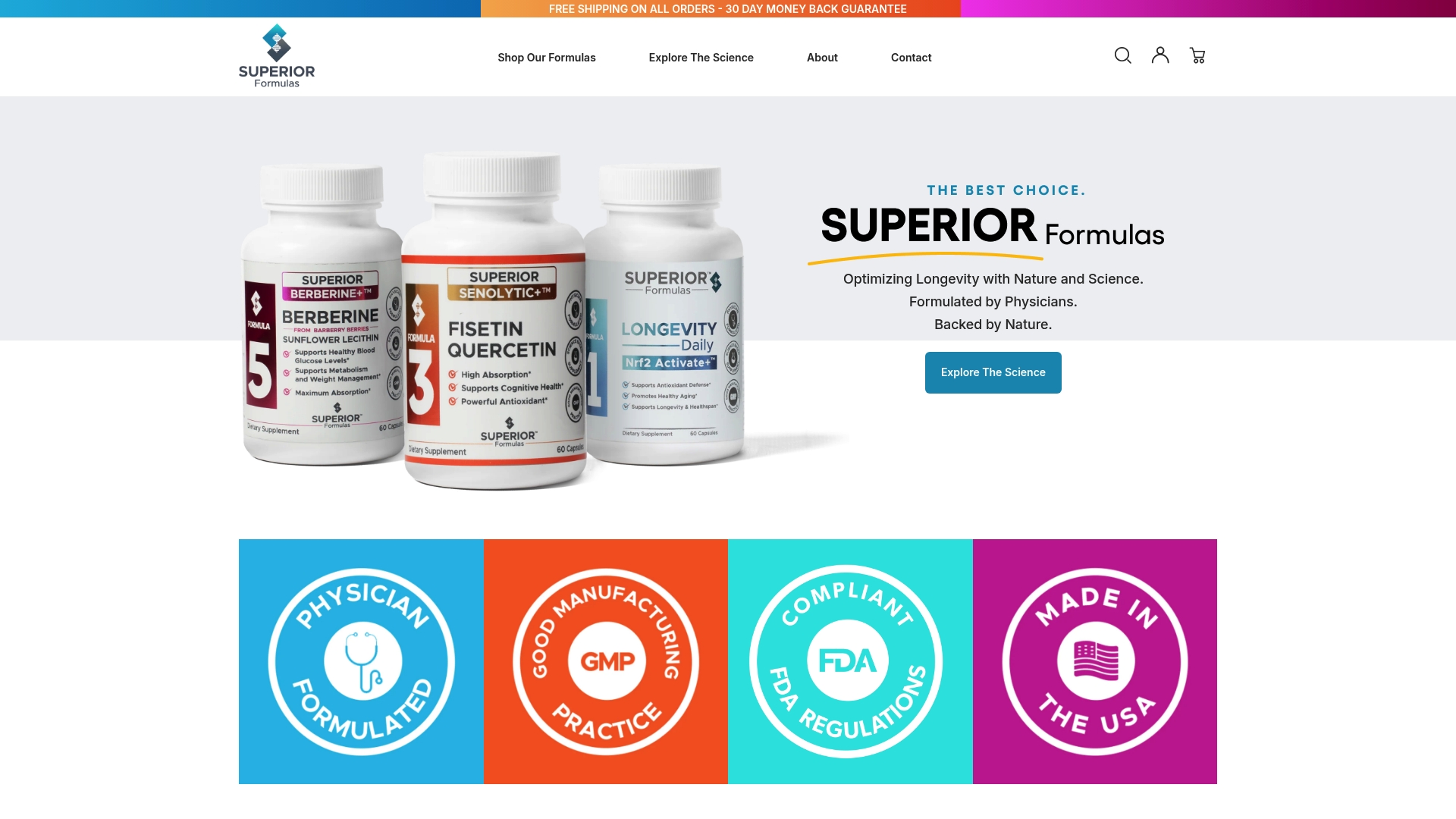
Superior Formulas develops physician-formulated supplements specifically for adults who want clinical backing, not just marketing claims. Our Formula 9 Superior Multi+ integrates AREDS2 nutrients, which have documented clinical support for eye health, while our Formula 1 LONGEVITY Daily targets cellular resilience through Nrf2-activating compounds backed by human trial data. Both formulations are manufactured in GMP-certified facilities and third-party tested for purity. Visit Explore the Science to review the research behind every ingredient we use.
Frequently asked questions
Are antioxidant supplements safe for everyone?
No. Cochrane reviews found that beta-carotene and possibly high-dose vitamin E and vitamin A are associated with increased mortality, particularly in specific groups like smokers, making routine supplementation inappropriate for the general population.
Which antioxidant-rich foods should I prioritize for cellular health?
Prioritize berries, citrus fruits, leafy greens, nuts, seeds, carrots, tomatoes, and beans, as these are the foods the NIH identifies as top dietary sources of cell-protecting antioxidant compounds.
Does taking a multivitamin help with antioxidant support?
Most evidence shows minimal benefit for healthy adults. Harvard Health’s review of large trials including COSMOS found no significant cardiovascular or cancer protection, and pooled analyses showed no reduction in overall mortality risk from multivitamin use.
When does supplementing with antioxidants make sense?
Supplementation is most appropriate when you have a confirmed deficiency, a specific medical condition with clinical trial support (such as AREDS2 for macular degeneration), or direct clinician guidance. PMC clinical research confirms that baseline antioxidant status significantly shapes whether supplementation provides any measurable benefit.


