


Lifespan extension is defined as the application of scientific, medical, and lifestyle strategies to increase both the total length of life and the number of years lived in good health. In geroscience, the recognized field studying aging as a biological process, this goal is measured not just in raw years but in health-adjusted life expectancy (HALE) and Quality-Adjusted Life Years (QALYs). The distinction matters because adding years without preserving function is not the goal. Geroscience frames aging as a treatable condition, with the aim of simultaneously delaying multiple chronic diseases by modulating the biology of aging itself. Understanding what lifespan extension actually means, and what the science currently supports, is the most useful place to start.
What is lifespan extension, and what does the science say?
Lifespan extension refers to measurable increases in how long humans live with functional independence, not simply total survival time. The field draws from biology, nutrition, pharmacology, and behavioral science to identify which interventions actually move the needle on aging. Two metrics guide serious researchers: HALE, which captures years lived without major disability, and QALYs, which weight life years by quality of health. These standards exist because a person who lives to 90 but spends the last 15 years managing chronic illness has not achieved what longevity science is actually after.
The intersection of lifestyle, diet, and pharmacology represents the current frontier where longevity science is advancing most rapidly and safely for humans. This is not a fringe idea. Leading institutions including the National Institute on Aging and the Buck Institute for Research on Aging now fund geroscience programs specifically targeting the biological mechanisms of aging. The practical goal is to compress morbidity, meaning to push disease and disability toward the very end of life rather than letting it accumulate across decades.

How do lifestyle changes support healthy aging?
Small, consistent lifestyle changes produce larger longevity gains than most people expect. A 2026 study published in eClinicalMedicine found that adding just 24 minutes of sleep, 4 minutes of exercise, and extra servings of vegetables and whole grains daily can extend healthspan by approximately 4 years. That is a meaningful gain from changes most adults could realistically sustain.
Exercise is the single most studied longevity intervention. 150 minutes per week of moderate aerobic activity combined with resistance training twice weekly can increase lifespan by an average of 4.5 years, according to 2025 clinical guidelines. Aerobic exercise improves cardiovascular function, reduces systemic inflammation, and preserves mitochondrial efficiency, all of which are direct drivers of cellular aging. Resistance training adds another layer by maintaining muscle mass, which declines sharply after age 35 and correlates strongly with metabolic health.
Nutrition patterns matter just as much. Plant-rich diets, particularly those following Mediterranean diet principles, reduce inflammatory markers and support epigenetic aging clock deceleration when combined with endurance exercise. The Mediterranean diet is not a single food but a pattern: olive oil, legumes, whole grains, fish, and abundant vegetables, with minimal processed food. Research consistently links this pattern to lower rates of cardiovascular disease, type 2 diabetes, and cognitive decline.
Key lifestyle factors with strong longevity evidence include:
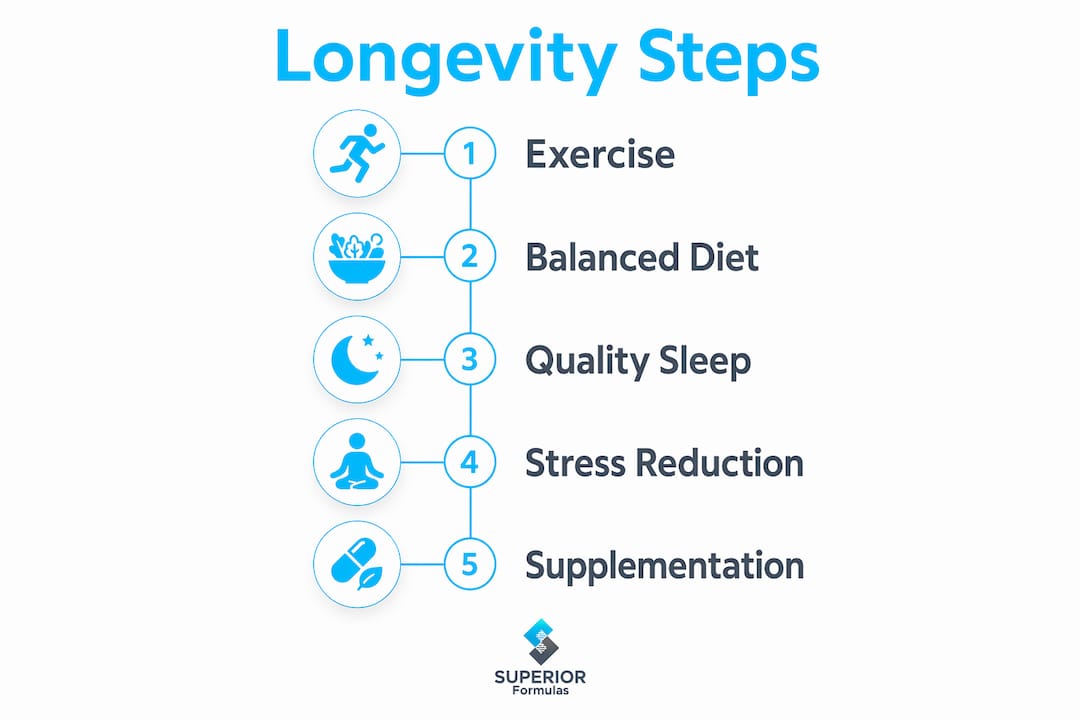
- Sleep quality and duration: 7–9 hours per night reduces inflammatory gene expression and supports cellular repair.
- Aerobic exercise: Targets cardiovascular and mitochondrial health directly.
- Resistance training: Preserves muscle mass and metabolic rate after 35.
- Plant-forward diet: Reduces oxidative stress and supports gut microbiome diversity.
- Stress reduction: Chronic stress accelerates telomere shortening and raises cortisol, both of which age cells faster.
Pro Tip: Incremental changes compound over time. You do not need to overhaul your entire routine at once. Adding one habit per month, such as a 20-minute walk after dinner, builds a sustainable foundation that accumulates measurable cellular benefits over years.
How do biomedical interventions contribute to longevity?
Pharmacological approaches to lengthening human lifespan represent the most scientifically exciting and the most cautionary part of this field. Rapamycin, an mTOR inhibitor originally developed as an immunosuppressant, is currently the leading geroprotective compound showing lifespan extension in mammalian preclinical studies. Human trials remain in early phases and require strict medical oversight. This is not a supplement you self-prescribe.
Senolytics, compounds that selectively clear senescent cells from tissue, represent another active research area. Senescent cells accumulate with age and secrete inflammatory signals that damage surrounding tissue. Quercetin and dasatinib are the most studied senolytic combination, though clinical evidence in humans is still limited. Epigenetic reprogramming, using Yamanaka factors to partially reset cellular age, is further out but has produced remarkable results in animal models.
Supplements with more accessible evidence include:
- NMN (nicotinamide mononucleotide) and NR (nicotinamide riboside): NAD+ precursors that support mitochondrial function and DNA repair.
- Resveratrol: A polyphenol that activates sirtuin pathways linked to cellular stress resistance.
- Berberine: Activates AMPK, a metabolic pathway associated with caloric restriction benefits.
- Omega-3 fatty acids: Reduce systemic inflammation and support cardiovascular and cognitive health.
The critical distinction is between supplements with human clinical data and those with only animal or in vitro evidence. Animal model interventions like caloric restriction or rapamycin significantly extend lifespan in laboratory species but are not simple proxies for human longevity outcomes. Translating animal results to human benefit requires replicable clinical trials, and many promising compounds have not yet cleared that bar.
Pro Tip: Before adding any longevity supplement to your routine, review the evidence tier. Look for human randomized controlled trials, not just animal studies or mechanistic cell research. Superiorformulas publishes the clinical rationale behind each ingredient in its formulations, which is the standard you should expect from any supplement brand.
Lifespan vs. healthspan: why the difference matters
Lifespan is the total number of years a person lives. Healthspan is the number of those years spent in good functional health, free from chronic disease and disability. The gap between them is the core problem that longevity science is trying to solve.
The global gap between lifespan and healthspan is approximately 9.6 years, according to World Health Organization data. That means the average person spends nearly a decade of their life managing illness or disability before death. Closing that gap, or at least narrowing it, is what healthy life extension actually targets.
| Concept | Definition | Key Metric | Primary Goal |
|---|---|---|---|
| Lifespan | Total years lived | Chronological age at death | Increase survival |
| Healthspan | Years lived in good health | HALE, QALYs | Extend functional independence |
| Health-adjusted longevity | Lifespan weighted by health quality | QALYs | Align both metrics |
| Geroscience target | Delay multiple chronic diseases simultaneously | Biological age markers | Compress morbidity |
The practical implication is that adding 10 years to your life while spending 9 of them in poor health is not a win. The goal is to keep biological age tracking below chronological age for as long as possible. Lifestyle interventions, particularly exercise and diet, are currently the most reliable tools for achieving this in humans.
What practical steps can you take after 30 to extend your lifespan?
Starting longevity practices in your 30s produces compounding benefits that are far harder to achieve if you wait until your 50s or 60s. Biological aging accelerates in measurable ways after 35, making the decade between 30 and 40 a high-leverage window for intervention.
Here are the evidence-backed steps worth prioritizing now:
- Commit to consistent aerobic exercise. Aim for 150 minutes per week of moderate activity. Walking, cycling, swimming, and rowing all qualify. Consistency matters more than intensity at this stage.
- Add resistance training twice weekly. Muscle mass preservation after 35 directly supports metabolic health and reduces the risk of frailty later in life.
- Shift toward a plant-forward diet. Increase vegetables, legumes, and whole grains. Reduce ultra-processed food. You do not need to eliminate meat, but the ratio matters.
- Protect sleep. Seven to nine hours per night is not optional for cellular repair. Sleep is when the glymphatic system clears metabolic waste from the brain, a process directly tied to cognitive aging.
- Manage chronic stress actively. Practices like mindfulness-based stress reduction (MBSR), regular social connection, and time in nature all reduce cortisol and inflammatory gene expression.
- Cultivate a sense of purpose. A strong sense of purpose substantially correlates with longer lifespan by reducing inflammatory gene expression, according to Stanford longevity research. Purpose is not a soft variable. It has measurable biological effects.
- Schedule preventive care. Regular bloodwork, blood pressure monitoring, and cancer screenings catch problems early, when they are most treatable. Preventive care is one of the highest-return longevity investments available.
- Consider evidence-backed supplementation. Nutrients like omega-3s, magnesium, and vitamin D have strong human clinical data. Explore longevity nutrients that are clinically studied and transparently formulated.
One common misconception is that longevity requires extreme interventions. The data consistently shows that cumulative small changes acting on cellular health and metabolic pathways produce the most reliable and safest gains currently available to humans.
Key takeaways
Lifespan extension works best when lifestyle consistency, cellular health, and evidence-based supplementation are combined into a daily practice that begins before biological aging accelerates.
| Point | Details |
|---|---|
| Healthspan is the real target | Extending years of functional independence matters more than total survival time. |
| Small habits compound significantly | Adding 24 minutes of sleep and 4 minutes of exercise daily can extend healthspan by 4 years. |
| Exercise is the top intervention | 150 minutes of weekly aerobic activity plus resistance training adds an average of 4.5 years to lifespan. |
| Biomedical tools require caution | Rapamycin and senolytics show promise but need medical oversight and more human trial data. |
| Start in your 30s for maximum benefit | Biological aging accelerates after 35, making the 30s a high-leverage window for longevity habits. |
Where science meets real life: my take on lifespan extension
The field of lifespan extension is genuinely exciting, and I say that as someone who has followed geroscience research closely for years. But I also think the conversation gets distorted by two opposing forces: excessive hype from supplement marketers and excessive skepticism from people who dismiss the entire field as wishful thinking. Neither position serves you well.
What I have come to believe is that the most powerful longevity tools are also the most boring ones. Sleep, exercise, diet, stress management, and social connection do not generate headlines or sell premium biohacking devices. But they consistently outperform almost every pharmacological intervention in human clinical data. Rapamycin is fascinating. A daily 30-minute walk is more proven.
The part of this field I find most underappreciated is the 9.6-year gap between lifespan and healthspan. Most people think about living longer. Very few think carefully about whether those extra years will be functional. That reframe changes everything about how you prioritize your health decisions today. You are not just trying to survive longer. You are trying to stay capable, sharp, and independent for as long as possible.
My honest concern with the current longevity market is the volume of unregulated products making claims that outrun the evidence. If a supplement brand cannot tell you the specific clinical trial behind each ingredient, that is a red flag. Transparency is not a marketing feature. It is the minimum standard. Brands like Superiorformulas that publish their scientific rationale and manufacture in GMP-certified facilities represent what the industry should look like, not the exception.
The future of this field will likely involve personalized interventions based on epigenetic age testing and biomarker tracking. We are not there yet for most people. For now, the evidence points clearly: consistent lifestyle habits, targeted nutrition, and carefully chosen supplementation are the most reliable path to a longer, healthier life.
— cristopher
Support your longevity goals with Superiorformulas
If you are ready to move from research to action, Superiorformulas offers physician-formulated supplements built on the same clinical evidence discussed throughout this article. Every formulation is developed with transparency, manufactured in GMP-certified facilities, and third-party tested for purity.
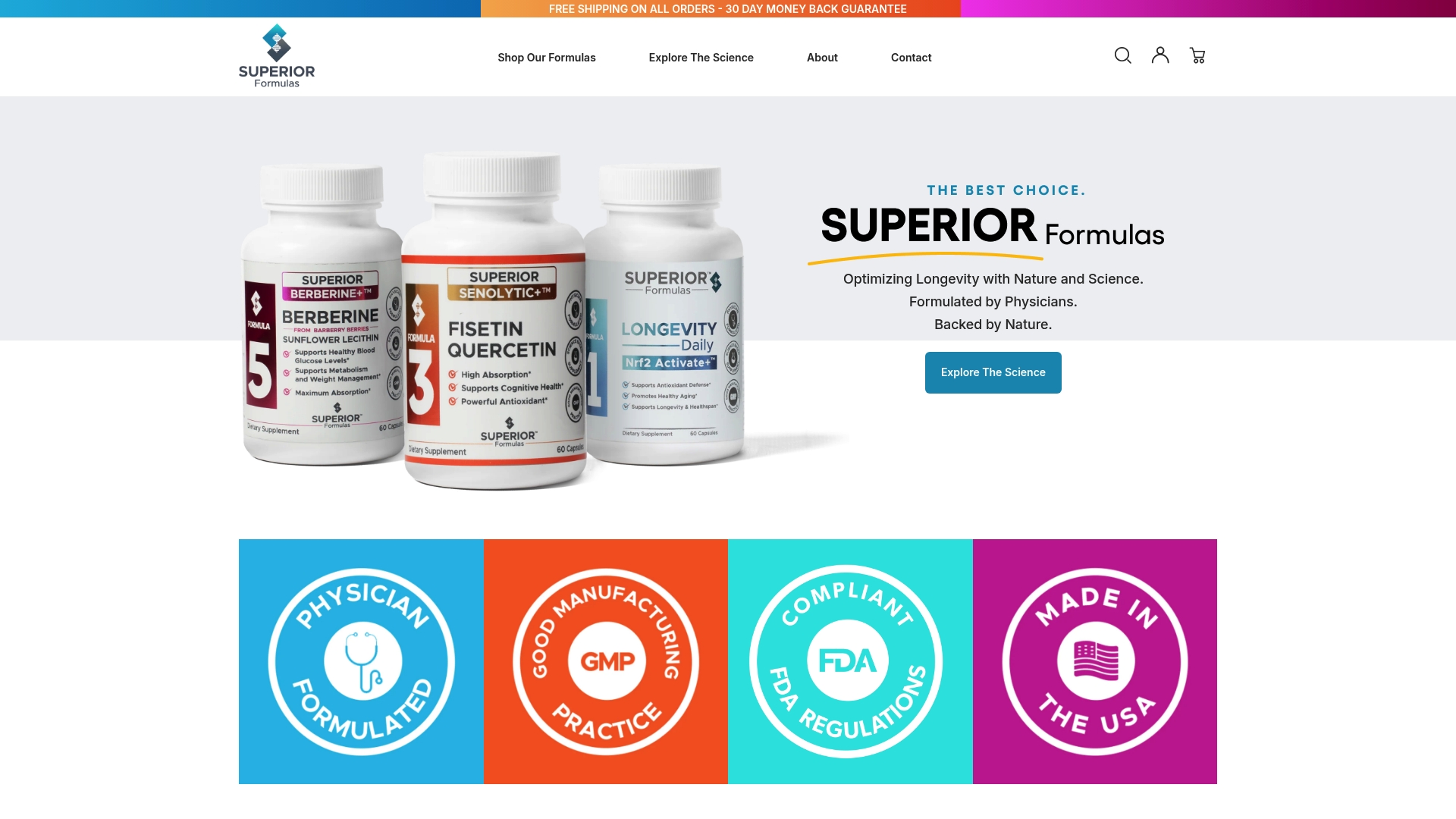
The science of longevity is advancing fast. Superiorformulas keeps pace with it, selecting ingredients like polyphenols, NAD+ precursors, and Nrf2-activating compounds that have human clinical backing, not just animal study results. Whether you are focused on cellular resilience, metabolic health, or antioxidant support, the science behind the formulas is available for you to review directly. You can also explore evidence-based supplement options to find formulations matched to your specific longevity goals.
FAQ
What is lifespan extension in simple terms?
Lifespan extension is the use of lifestyle, nutritional, and medical strategies to increase both how long and how well you live. The goal is to extend years of functional health, not just total survival time.
Is lifespan extension actually possible for humans?
Yes, within measurable limits. Lifestyle changes like regular exercise and a plant-rich diet can add 4–5 years to healthy lifespan based on current clinical evidence. Pharmacological interventions like rapamycin show promise but remain in early human trial phases.
What is the difference between lifespan and healthspan?
Lifespan is total years lived. Healthspan is the portion of those years spent in good functional health. The global gap between the two is approximately 9.6 years, meaning most people spend nearly a decade in poor health before death.
What anti-aging techniques have the strongest evidence?
Aerobic exercise, resistance training, Mediterranean-style diet, quality sleep, and stress reduction have the strongest human clinical evidence for extending healthspan. Supplements like omega-3 fatty acids, NMN, and vitamin D have supporting data but should complement, not replace, lifestyle foundations.
When should i start focusing on lifespan extension?
Your 30s are the optimal window. Biological aging accelerates measurably after 35, and habits established in your 30s produce compounding cellular benefits that are significantly harder to achieve if you wait until midlife.


