


Polyphenols are plant-derived compounds that protect human cells by regulating metabolism, reducing inflammation, and lowering chronic disease risk. The role of polyphenols in health extends far beyond simple antioxidant activity. These molecules act through multiple signaling pathways simultaneously, giving them broad regulatory control over cardiovascular function, cellular aging, and gut health. For adults over 35 looking to support longevity through diet, understanding how polyphenols work at a biological level is the most direct path to making smarter food choices every day.
How do polyphenols reduce cardiovascular and metabolic disease risk?
Heart disease remains the leading cause of death in the United States, and polyphenol intake is one of the most well-studied dietary factors linked to lower risk. Each 10-point increase in a polyphenol-rich dietary score correlates with an 8.5% reduction in heart disease risk across a cohort of over 3,100 adults followed for 11 years. That kind of dose-dependent relationship is rare in nutrition science and signals a genuine biological effect, not a statistical coincidence.
Polyphenols improve cardiovascular health through several distinct mechanisms:
- Antioxidant protection: They neutralize reactive oxygen species that damage arterial walls and promote plaque formation.
- Vascular function: Flavonoids like quercetin and catechins increase nitric oxide production, which relaxes blood vessels and lowers blood pressure.
- Cholesterol regulation: Polyphenols in olive oil and green tea reduce LDL oxidation, a key step in atherosclerosis.
- Metabolic signaling: Resveratrol and other stilbenes activate AMPK, a cellular energy sensor that improves insulin sensitivity and reduces metabolic syndrome markers.
Strong epidemiological evidence links higher polyphenol intakes with measurable reductions in heart attacks, strokes, and cardiovascular mortality over several years. The foods with the strongest cardiovascular evidence include dark berries, extra-virgin olive oil, dark chocolate, red grapes, and green tea.
Pro Tip: Add a small handful of blueberries or a square of dark chocolate (70% cacao or higher) to your daily routine. Both deliver dense polyphenol loads with well-documented cardiovascular benefits.
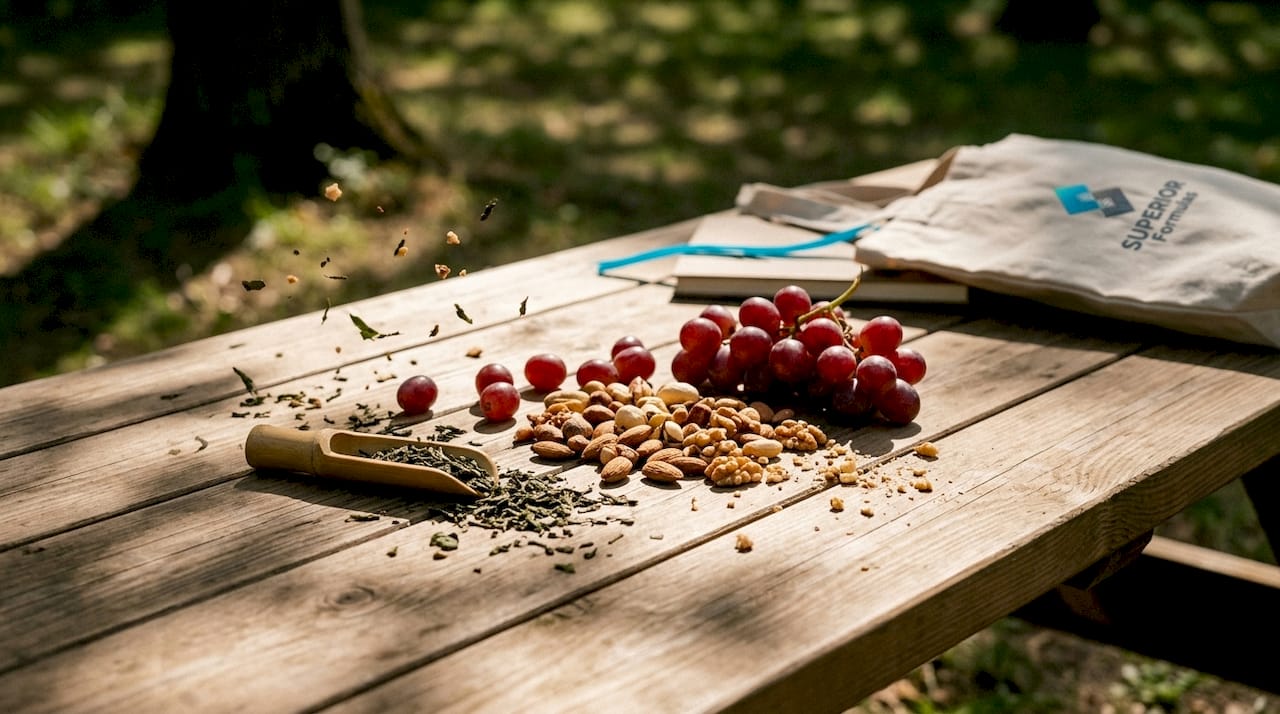
Expert consensus currently suggests an optimal daily polyphenol intake of 500 to 1,500 mg for chronic disease risk reduction, though no official Recommended Daily Intake exists yet. That range is achievable through whole foods alone, without supplementation.
What is the role of polyphenols in healthy aging and mitochondrial function?
Aging accelerates when mitochondria lose efficiency and cells accumulate oxidative damage. Polyphenols directly counter both processes by activating the body’s own cellular defense systems.
Polyphenols regulate aging-related pathways including AMPK, Nrf2, and SIRT, all of which support mitochondrial quality and slow cellular aging. Each pathway serves a distinct function in the aging process.
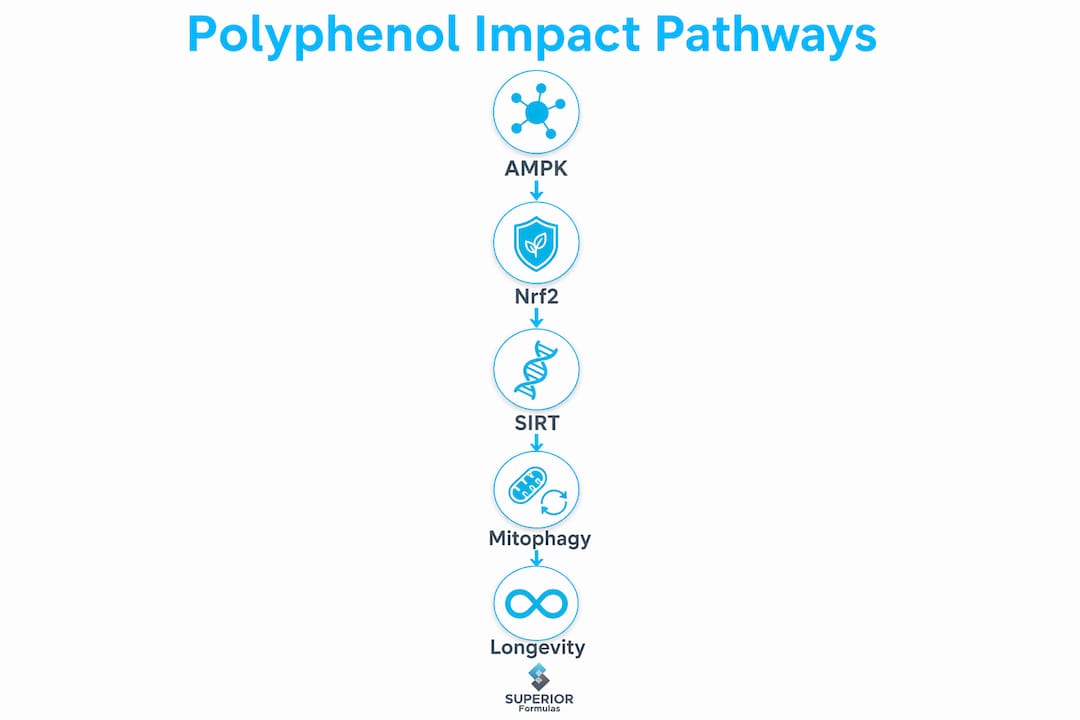
| Pathway | Primary Function | Key Polyphenol Activators |
|---|---|---|
| AMPK | Cellular energy sensing and metabolic regulation | Resveratrol, berberine |
| Nrf2 | Antioxidant gene expression and detoxification | Quercetin, sulforaphane |
| SIRT (sirtuins) | DNA repair and mitochondrial biogenesis | Resveratrol, pterostilbene |
Nrf2 activation is particularly significant for adults over 35. As Nrf2 activity naturally declines with age, cells become less capable of neutralizing oxidative stress. Polyphenols like quercetin and sulforaphane reactivate this pathway, effectively restoring a layer of cellular protection that aging had diminished.
Mitophagy, the process by which cells clear damaged mitochondria, also depends on polyphenol-sensitive signaling. When mitophagy slows, dysfunctional mitochondria accumulate and accelerate tissue aging. Resveratrol and other polyphenols support mitophagy by activating SIRT1 and PINK1 pathways. Long-term polyphenol consumption also correlates with better cognitive function in older adults, which reflects the same mitochondrial protection occurring in brain tissue.
Pro Tip: For adults focused on polyphenols for longevity, combining resveratrol-rich foods like red grapes with quercetin sources like onions and capers creates complementary SIRT and Nrf2 activation in a single meal.
How do polyphenols interact with the gut microbiome?
The gut microbiome is not just a passive recipient of polyphenols. It actively transforms them. This bidirectional relationship, known as the polyphenol-microbiota axis, determines how much benefit you actually receive from the polyphenols you eat.
Polyphenols act as prebiotic modulators of gut microbiota, which convert them into bioactive metabolites that promote systemic health. Gut bacteria break down complex polyphenol structures into smaller compounds, including urolithins from ellagitannins in pomegranates and walnuts, and equol from isoflavones in soy. These metabolites often carry stronger anti-inflammatory and cellular effects than the original polyphenol.
“The microbiome is the gatekeeper of polyphenol bioavailability. Without a healthy, diverse gut ecosystem, much of the polyphenol potential in your diet goes unrealized.” — Professor Daniele Del Rio, nutrition scientist
The gut-polyphenol relationship produces several systemic benefits:
- Gut barrier integrity: Polyphenol metabolites strengthen tight junction proteins in the intestinal lining, reducing systemic inflammation driven by leaky gut.
- Immune modulation: Microbiota-derived metabolites regulate T-cell activity and reduce pro-inflammatory cytokine production.
- Neurological health: The gut-brain axis carries polyphenol metabolites to the central nervous system, where they support cognitive resilience and mood regulation.
- Microbiome diversity: Polyphenols selectively feed beneficial bacteria like Lactobacillus and Bifidobacterium, increasing microbial diversity, which is itself a marker of long-term health.
The polyphenol-microbiota axis involves bidirectional feedback, meaning a healthier microbiome extracts more benefit from polyphenol-rich foods, and those foods in turn feed the microbiome. Building both simultaneously is the most effective strategy.
Which foods maximize polyphenol intake for daily wellness?
Food choice and preparation habits determine how much polyphenol activity you actually deliver to your cells. The highest-polyphenol foods are not always the most obvious ones.
The top polyphenol-rich foods by concentration include:
- Cloves and dried herbs (oregano, rosemary, thyme): gram for gram, the most concentrated polyphenol sources available.
- Dark berries (blueberries, blackberries, elderberries): rich in anthocyanins with strong cardiovascular and cognitive evidence.
- Extra-virgin olive oil: delivers oleocanthal and oleuropein, both with anti-inflammatory and cardiovascular benefits.
- Green and black tea: catechins and theaflavins support vascular function and metabolic health.
- Dark chocolate (70%+ cacao): flavanols improve blood flow and lower blood pressure.
- Red onions, capers, and kale: among the richest quercetin sources in everyday cooking.
- Pomegranates and walnuts: high in ellagitannins that gut bacteria convert to urolithins.
One of the most overlooked sources of polyphenols is the parts of vegetables most people discard. Vegetable peels, leaves, and stalks such as celery leaves, radish tops, and cauliflower stalks contain concentrated polyphenols. Discarding them reduces your total intake significantly.
Dietary variety matters as much as quantity. Different polyphenols provide distinct, complementary signaling benefits, and no single food or supplement can replicate the combined effect of a diverse whole-food diet. A plate with five different colored vegetables delivers a broader range of polyphenol classes than a plate dominated by one “superfood.”
High-dose isolated polyphenol supplements carry real risks that whole foods do not. High-dose polyphenol supplements can interfere with iron absorption, raising the risk of anemia. The complex food matrix in whole foods buffers this effect. Supplements have a role in targeted clinical contexts, but they are not a substitute for dietary variety.
| Approach | Polyphenol diversity | Bioavailability | Risk of excess |
|---|---|---|---|
| Whole food diet | High | Modulated by food matrix | Low |
| Isolated high-dose supplements | Low (single compound) | Variable | Moderate to high |
| Physician-formulated blends | Moderate to high | Clinically considered | Low when dosed correctly |
How do individual differences affect polyphenol benefits?
Two people can eat the same polyphenol-rich meal and experience meaningfully different health outcomes. The reason is gut microbiome composition. Individuals vary widely in polyphenol bioavailability due to differences in gut bacteria, which metabolize complex polyphenols at different rates and into different compounds.
This variability has direct implications for how you approach your diet:
- Urolithin production from pomegranates and walnuts depends entirely on whether you carry the specific gut bacteria that convert ellagitannins. Roughly 40% of people are non-producers.
- Equol conversion from soy isoflavones requires Lactonifactor bacteria. Non-converters receive far less estrogenic benefit from soy.
- Bioactive metabolite profiles differ enough between individuals that two people following identical diets can show opposite inflammatory responses.
Bioactive microbial-derived polyphenol metabolites may eventually serve as biomarkers for individual responses to polyphenol intake, forming the foundation of precision nutrition strategies. For now, the practical takeaway is clear: eat the widest variety of polyphenol-rich whole foods possible, support your microbiome with fermented foods and fiber, and avoid relying on a single source. Understanding how phytonutrients shape aging in adults over 35 adds further context to why personalized dietary approaches matter more as you age.
Key Takeaways
Polyphenols deliver their most significant health benefits through dietary variety, gut microbiome support, and consistent whole-food intake across multiple food classes.
| Point | Details |
|---|---|
| Cardiovascular protection | Each 10-point rise in polyphenol dietary score links to an 8.5% drop in heart disease risk. |
| Aging pathway activation | Polyphenols activate AMPK, Nrf2, and SIRT pathways to support mitochondrial health and slow cellular aging. |
| Gut microbiome synergy | A diverse microbiome converts polyphenols into bioactive metabolites that drive systemic anti-inflammatory effects. |
| Whole foods over supplements | High-dose isolated supplements risk iron absorption interference; whole foods deliver polyphenols safely within a food matrix. |
| Individual variability | Gut bacteria composition determines how much benefit you extract from any given polyphenol-rich food. |
What I’ve learned about polyphenols after years of watching the science evolve
The most common mistake I see is treating polyphenols like a pharmaceutical. People read about resveratrol or quercetin, buy a high-dose capsule of one compound, and expect results. That is not how this biology works. Polyphenols evolved in plants as a defense system against UV radiation and environmental stress. They work as a network, not as individual agents. Eating a single isolated compound at high doses misses the entire point and, as the iron absorption data shows, can create new problems.
What actually works is boring by supplement-industry standards: eat more plants, eat a wider variety of them, and stop discarding the peels and stalks. The science on the polyphenol-microbiota axis also changed how I think about gut health. You cannot separate polyphenol efficacy from microbiome quality. Fermented foods, fiber, and polyphenol-rich whole foods work together as a system.
I am also cautious about overpromising timelines. The cardiovascular and cognitive benefits in the literature come from years of consistent intake, not weeks. Sustainable habits built around food variety will always outperform short-term supplement protocols. That said, physician-formulated supplements designed around clinical evidence, like those from Superiorformulas, have a legitimate role when dietary gaps exist or when specific pathway activation is the goal.
— cristopher
Superiorformulas and the science behind polyphenol-based longevity support
Superiorformulas was founded by a physician-scientist with one goal: translate the best available research in nutrition and aging into formulations that actually reflect the science.
The Superiorformulas product line targets the same cellular pathways that polyphenol research highlights most consistently: Nrf2 activation, mitochondrial resilience, and metabolic regulation. Every formulation is produced in GMP-certified facilities and undergoes third-party testing for purity and potency. For adults over 35 who already eat a polyphenol-rich diet and want to address specific longevity pathways more precisely, explore the science behind each formulation to understand exactly what the clinical evidence supports and why each ingredient was selected.
FAQ
What are polyphenols exactly?
Polyphenols are naturally occurring plant compounds with antioxidant and cell-signaling functions. They are found in fruits, vegetables, tea, coffee, olive oil, and dark chocolate, and are classified into subgroups including flavonoids, phenolic acids, stilbenes, and lignans.
How do polyphenols affect heart health?
Research shows that higher polyphenol intake correlates with lower rates of heart disease, with each 10-point increase in a polyphenol dietary score linked to an 8.5% reduction in cardiovascular risk. The mechanisms include improved vascular function, reduced LDL oxidation, and lower blood pressure.
Can you get enough polyphenols from food alone?
Yes. An intake of 500 to 1,500 mg daily is achievable through a varied whole-food diet rich in berries, olive oil, tea, dark chocolate, and colorful vegetables, including peels and stalks that most people discard.
Are polyphenol supplements safe?
Whole-food polyphenols are safe for most adults. High-dose isolated polyphenol supplements can interfere with iron absorption and may pose a risk of anemia. Physician-formulated blends with clinically considered dosing carry a lower risk profile than single-compound megadose products.
Why do polyphenols work differently for different people?
Gut microbiome composition determines how polyphenols are metabolized into bioactive compounds. Individuals without certain bacterial strains cannot convert ellagitannins into urolithins or isoflavones into equol, which significantly reduces the health benefit they receive from those specific polyphenol sources.


