


Vitality is defined as the sustained capacity for physical and mental energy across daily demands, and it declines measurably after age 30 when lifestyle habits fail to support the body’s shifting biology. Knowing how to enhance vitality naturally means addressing four interconnected pillars: nutrition, movement, sleep, and stress management. Experts at Johns Hopkins Medicine and researchers cited by NPR’s Life Kit in 2026 confirm that most fatigue in adults over 30 traces back to correctable lifestyle misalignments, not irreversible aging. This article delivers the clinical evidence and practical steps you need to reclaim sustained energy without stimulants or shortcuts.
How does nutrition influence vitality and energy levels?
Nutrition is the single most controllable lever for natural energy, and the structure of every meal determines whether your body runs on stable fuel or crashes by mid-afternoon. Johns Hopkins Medicine recommends that at least 50% of each meal consist of raw fruits and vegetables, with the remaining plate split between whole grains (25%) and lean protein (25%). That ratio is not arbitrary. Raw plant foods deliver enzymes, fiber, and phytonutrients that processed foods strip away, keeping blood glucose stable and cellular energy production consistent.
Key micronutrients that drive energy production
Two micronutrients stand above the rest for adults over 30: vitamin D and vitamin B12. Johns Hopkins Medicine notes that vitamin D deficiency reduces energy and mood, and that aging skin produces significantly less of it from sunlight exposure alone. B12 supports red blood cell formation and neurological function, both of which directly affect how alert and physically capable you feel. Adults who eat little to no animal protein are at particular risk for B12 depletion and should consider supplementation or fortified foods. You can explore the evidence behind longevity-supporting nutrients to understand which micronutrients matter most at the cellular level.

Meal timing and the circadian energy connection
When you eat matters nearly as much as what you eat. NPR’s 2026 energy guide confirms that aligning meals with circadian rhythms, including a 12-hour overnight fast and stopping food intake at least three hours before bed, supports gut rest and sustained daytime energy. The gut-brain-energy axis resets during that overnight window, and disrupting it with late-night eating impairs the metabolic processes that generate morning alertness. Eating during daylight hours, concentrating calories earlier in the day, produces measurably better energy outcomes than the same calories consumed late at night.
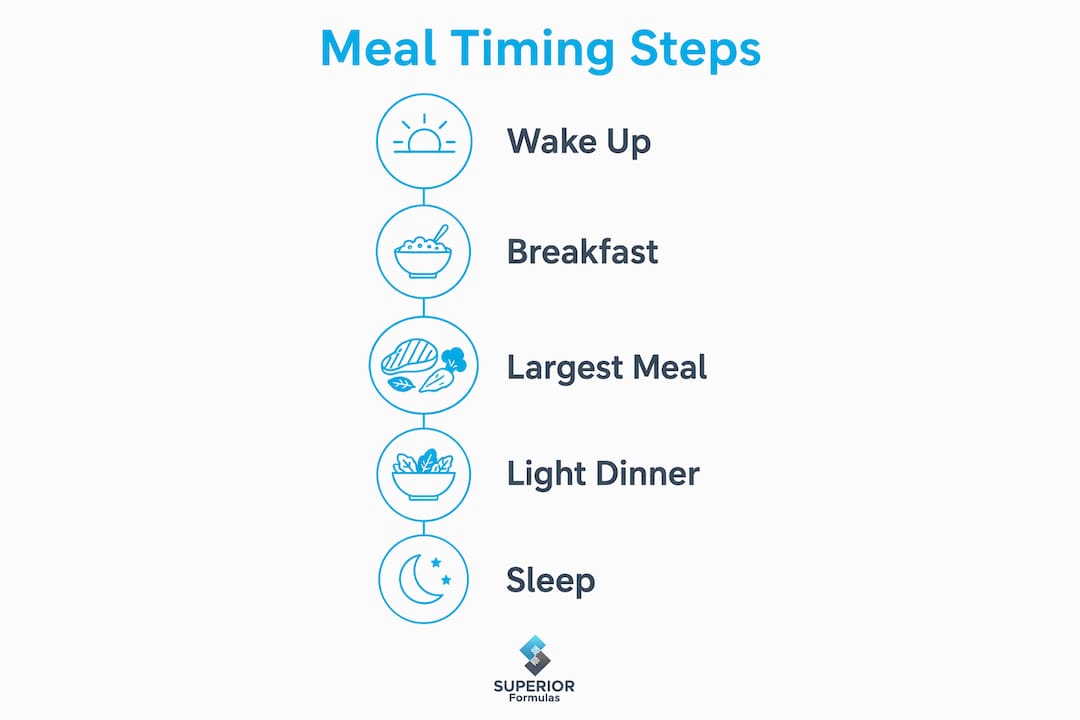
Here is a practical plate breakdown to use at every meal:
| Plate Component | Proportion | Examples |
|---|---|---|
| Raw or lightly cooked vegetables and fruit | 50% | Leafy greens, berries, bell peppers, cucumber |
| Whole grains | 25% | Brown rice, quinoa, oats, whole wheat bread |
| Lean protein | 25% | Legumes, eggs, fish, organic poultry |
Pro Tip: Eat your largest meal before 2 p.m. when possible. Your digestive enzymes and insulin sensitivity peak earlier in the day, making midday the most metabolically efficient window for caloric intake.
What types of physical activity naturally boost your vitality?
Exercise is not just a calorie-burning tool. It is a direct signal to your cells to produce more energy. The mechanism is specific: regular physical activity increases mitochondrial density in muscle cells, which means your body literally builds more of the organelles responsible for generating ATP, the currency of cellular energy. Harvard Health confirms that resistance training stimulates mitochondrial expansion, making strength work uniquely effective for long-term physical vitality beyond what cardio alone delivers.
For adults over 30 looking to increase stamina naturally, the following sequence builds a sustainable movement foundation:
- Start with 10 to 30 minutes of brisk walking. Clinical guidelines cited by Verywell Health confirm that moderate-intensity exercise boosts alertness and mood immediately through enhanced oxygen circulation and neurotransmitter release, with no caffeine crash afterward.
- Add resistance training two to three times per week. Bodyweight exercises, resistance bands, or free weights all stimulate mitochondrial growth. You do not need a gym membership to achieve this effect.
- Walk outside in the morning sun. Morning light exposure combined with movement resets your circadian rhythm and improves mood through serotonin release. This doubles the energy return of a simple walk.
- Use rebounding for low-impact days. A mini-trampoline provides lymphatic stimulation and cardiovascular benefit without joint stress, making it an excellent option for adults with knee or hip sensitivity.
- Break up sedentary time every 60 to 90 minutes. Short movement bouts throughout the day prevent the metabolic slowdown that causes afternoon energy dips. Even five minutes of walking or stretching reactivates circulation.
Pro Tip: You do not need a single long workout to get the energy benefit. Three 10-minute movement sessions spread across the day produce comparable alertness gains to one 30-minute session, and they prevent the mid-session fatigue that discourages consistency.
How does sleep and circadian rhythm impact natural energy levels?
The circadian rhythm is your body’s internal 24-hour clock, governed by light and darkness, that regulates cortisol, melatonin, body temperature, and dozens of metabolic processes tied directly to energy. NPR’s Life Kit research from 2026 establishes that fatigue often stems from circadian misalignment, not just insufficient sleep hours. You can sleep eight hours and still wake up exhausted if your sleep timing conflicts with your biological clock.
Johns Hopkins Medicine identifies morning sunlight as the most powerful natural reset tool available. Morning sun exposure within 30 minutes of waking stops melatonin production and triggers a cortisol pulse that generates natural wakefulness. This is the biological mechanism behind why people who sleep with blackout curtains and skip morning light often feel groggy regardless of sleep duration.
Practical strategies to align your sleep with your circadian biology:
- Keep a consistent wake time seven days a week. Your circadian clock anchors to your wake time more than your bedtime. Irregular wake times, even on weekends, fragment the rhythm and cause what researchers call “social jet lag.”
- Stop eating at least three hours before bed. The gut requires a rest period to complete its overnight repair cycle. Late meals delay this process and reduce sleep quality even when total sleep time remains the same.
- Dim artificial light after sunset. Blue light from screens suppresses melatonin production. Switching to warm-toned lighting or blue-light-blocking glasses after 8 p.m. accelerates the body’s natural transition to sleep readiness.
- Avoid long naps after 3 p.m. A 20-minute nap before mid-afternoon restores alertness without disrupting nighttime sleep pressure. Longer or later naps fragment the circadian signal.
Your cellular health checklist can help you identify which daily habits are most likely undermining your sleep quality and energy recovery at the cellular level.
What lifestyle factors beyond diet and exercise affect vitality?
Chronic stress is one of the most underestimated energy drains in adults over 30. Research published by Valley View Health confirms that high cortisol promotes visceral fat accumulation, which impairs metabolic function and reduces the body’s capacity to generate and sustain energy. Stress does not just make you feel tired. It chemically alters your hormonal environment in ways that make fatigue the physiological default.
One frequently overlooked cause of persistent fatigue is medication. Johns Hopkins Medicine advises that medications for hypertension, diabetes, and allergies commonly cause fatigue as a side effect, and that adults should review their prescriptions with a physician every three to six months. Many people attribute their low energy to aging when the actual cause is a drug interaction or an outdated dosage that no longer fits their current health profile.
Additional lifestyle factors that directly affect your energy levels:
- Hydration. Medical Daily research confirms that consistent hydration prevents fatigue and supports both cognitive performance and physical stamina. Even mild dehydration, as little as 1 to 2% of body weight in fluid loss, measurably reduces concentration and physical output.
- Restorative mental rituals. Journaling, creative hobbies, and time in nature replenish the prefrontal cortex’s capacity for focus and decision-making. Mental fatigue is as real as physical fatigue and responds to rest, not more stimulation.
- Caffeine dependency audit. Johns Hopkins Medicine describes the pattern of borrowed energy from caffeine as a cycle that masks poor circadian alignment rather than correcting it. Replacing morning coffee with sunlight exposure and movement addresses the root cause instead of suppressing the symptom.
Pro Tip: Before adding any supplement or stimulant, spend two weeks auditing your hydration, sleep consistency, and stress load. Most adults find that correcting these three factors alone produces a significant and lasting energy improvement.
Key takeaways
Sustained vitality after 30 requires aligning nutrition, movement, sleep timing, and stress management simultaneously. No single change produces lasting results in isolation.
| Point | Details |
|---|---|
| Plate composition matters | Fill 50% of every meal with raw or lightly cooked plants to stabilize blood glucose and cellular energy. |
| Resistance training builds energy capacity | Strength work increases mitochondrial density, expanding your body’s physical energy production at the cellular level. |
| Circadian alignment beats sleep duration | Consistent wake times and morning sunlight reset hormonal energy cues more effectively than extra hours in bed. |
| Medications cause hidden fatigue | Review prescriptions with your doctor every three to six months to rule out drug-related energy loss. |
| Hydration is non-negotiable | Even mild dehydration reduces cognitive performance and physical stamina before you notice thirst. |
What I’ve learned about vitality that most articles won’t tell you
After years of studying how adults over 30 actually experience energy loss, the pattern I see most consistently is this: people try to fix fatigue with additions rather than corrections. They add a new supplement, a new workout, a new morning routine. What they rarely do is remove the things that are actively draining them.
The most impactful vitality shift I have observed is not a new habit. It is the elimination of circadian disruption. Adults who standardize their wake time, get outside within 30 minutes of waking, and stop eating three hours before bed often report dramatic energy improvements within two weeks, without changing anything else. That finding aligns precisely with what NPR’s 2026 research and Johns Hopkins Medicine both confirm, and it is consistently underestimated.
The second thing most articles miss is the medication conversation. Physicians at Johns Hopkins have noted that patients are often surprised to learn their prescriptions contribute to chronic fatigue. If you have made genuine lifestyle changes and still feel depleted, a medication review with your doctor is not optional. It is the logical next diagnostic step.
My honest recommendation: treat vitality as a systems problem, not a deficiency problem. Your body is not missing a supplement. It is likely missing alignment between your biology and your daily schedule. Start there. Be patient. The results compound over weeks, not days, and they last because they are built on corrected fundamentals rather than borrowed energy.
— cristopher
How Superiorformulas supports your natural vitality goals

Lifestyle changes form the foundation of lasting energy, and targeted nutritional support can accelerate what those changes build. Superiorformulas develops physician-formulated supplements designed to work alongside the habits described in this article, not replace them. Each formulation is built on clinically studied ingredients, manufactured in GMP-certified facilities, and third-party tested for purity. If you are eating well, moving consistently, and sleeping with intention, the right supplement stack can reinforce cellular resilience and fill the micronutrient gaps that diet alone may leave. Explore the science behind Superiorformulas’ approach to longevity and cellular health, and find the formulations that align with where you are in your vitality journey.
FAQ
What does it mean to enhance vitality naturally?
Enhancing vitality naturally means improving sustained physical and mental energy through lifestyle practices such as plant-focused nutrition, moderate exercise, quality sleep, and stress reduction, without relying on stimulants or pharmaceutical interventions.
How quickly can natural lifestyle changes improve energy levels?
Most adults notice measurable improvements in alertness and stamina within two to four weeks of consistently applying circadian-aligned sleep schedules, morning sunlight exposure, and balanced nutrition. Resistance training benefits for mitochondrial density develop over six to eight weeks.
Can vitamin D deficiency cause fatigue in adults over 30?
Yes. Johns Hopkins Medicine confirms that vitamin D deficiency reduces both energy and mood, and that aging skin produces less vitamin D from sunlight, making supplementation or dietary sources particularly relevant for adults in this age group.
Does caffeine actually reduce long-term vitality?
Caffeine provides borrowed energy by blocking adenosine receptors rather than correcting the underlying cause of fatigue. Johns Hopkins Medicine identifies consistent morning sunlight and circadian alignment as the sustainable alternative to caffeine dependency for natural wakefulness.
How does hydration affect physical stamina and mental focus?
Consistent hydration prevents fatigue and supports both cognitive performance and physical output. Even a 1 to 2% drop in body fluid levels reduces concentration and endurance before thirst signals appear, making proactive hydration a direct tool for boosting energy levels naturally.
For a formulation designed specifically around cellular energy and vitality, our Formula 7 — Superior Ca-AKG+ reflects exactly this clinical rationale. Explore the science behind the formulation to see how it applies to your own routine.


