


Hacks for aging well are evidence-based daily habits that protect muscle strength, brain function, and cellular health as you get older. The term is informal, but the science behind it is not. Researchers and physicians now call this approach “healthspan optimization,” meaning you extend the years you live well, not just the years you live. The pillars are consistent: regular exercise, adequate protein, quality sleep, social connection, and preventive care. Each one compounds the others. Skip one long enough, and the rest weaken faster than you expect.
1. What are the best hacks for aging well through exercise?
Exercise is the single most effective intervention for healthy aging, according to cardiologist Dr. Eric Topol. No supplement, diet, or biohack comes close to its documented impact on muscle, bone, heart, and brain health combined.
National guidelines recommend 150 minutes of moderate aerobic activity or 75 minutes of vigorous aerobic activity weekly, plus muscle-strengthening exercises at least twice weekly. That translates to about 30 minutes of brisk walking five days a week, combined with two resistance training sessions. Most adults over 35 meet neither target.
Strength training deserves special attention. Lean muscle mass declines steadily after your mid-30s, and that loss accelerates after 60. Resistance work, whether with weights, resistance bands, or bodyweight, slows that decline and protects bone density at the same time.
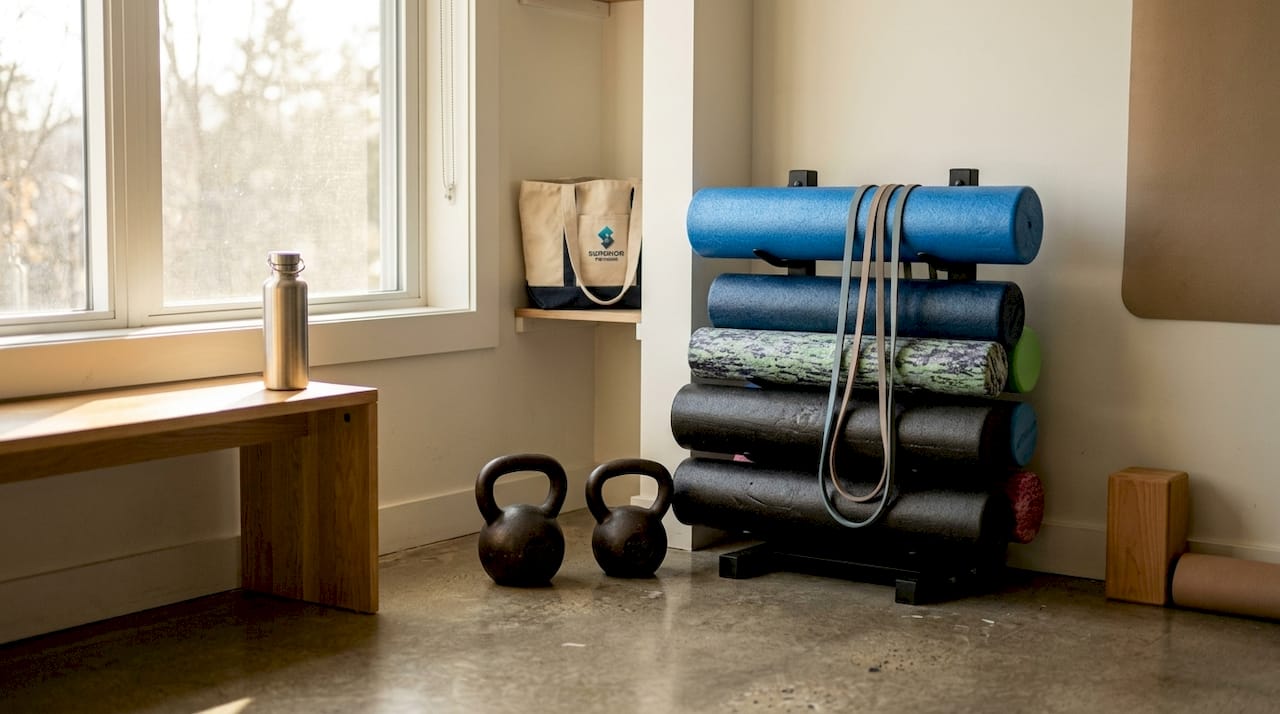
Functional fitness training builds the muscle buffer you need for real-life independence. Exercises that mimic squatting, lifting, carrying, and reaching preserve the exact movement patterns that keep you self-sufficient as you age. Standard cardio alone does not replicate these patterns.
Balance training is the most overlooked component. Single-leg stands, heel-to-toe walking, and yoga-based balance poses reduce fall risk, which is one of the leading causes of injury-related decline in adults over 65.
Pro Tip: Start with two strength sessions per week and add five minutes to each session every two weeks. Gradual progression prevents injury and builds the consistency that produces long-term results.
2. How nutrition supports healthy aging
Protein is the foundation of anti-aging nutrition. Healthy adults need 1.0 to 1.3 grams of protein per kilogram of body weight daily to prevent age-related muscle loss. For a 150-pound person, that means roughly 68–88 grams per day. Adults who exercise regularly need 1.2 to 1.5 grams per kilogram. Most adults over 35 consume far less than this, especially at breakfast.
The Mediterranean and MIND diets consistently show the strongest evidence for longevity. Both emphasize vegetables, legumes, whole grains, olive oil, fish, and nuts. Both limit red meat, refined carbohydrates, and ultra-processed foods. The MIND diet specifically targets brain health by adding blueberries, leafy greens, and walnuts as priority foods.
Fiber is a quiet powerhouse in the aging nutrition picture. Increasing daily fiber intake to 25–29 grams associates with a 15–30% lower risk of death from all causes, including cardiovascular disease and diabetes. That is a meaningful reduction achievable through food alone.
Key nutrition priorities for adults 35 and older:
- Protein at every meal: Distribute intake across breakfast, lunch, and dinner rather than loading it at dinner.
- Colorful vegetables: Aim for five or more servings daily to maximize polyphenol and antioxidant intake.
- Healthy fats: Olive oil, avocado, and fatty fish reduce systemic inflammation.
- Limit ultra-processed foods: Additives, excess sodium, and refined sugars accelerate cellular aging.
- Vitamin D: Many adults over 40 are deficient. A blood test confirms your level before supplementing.
Pro Tip: Increase fiber intake gradually over several weeks and drink at least eight glasses of water daily. A rapid increase causes bloating and constipation, which discourages people from sticking with it.
| Nutrient | Daily Target | Primary Food Sources |
|---|---|---|
| Protein | 1.0–1.5 g per kg body weight | Eggs, fish, legumes, Greek yogurt |
| Fiber | 25–29 grams | Oats, lentils, vegetables, berries |
| Omega-3 fats | 2+ servings fatty fish weekly | Salmon, sardines, walnuts, flaxseed |
| Vitamin D | Blood-test guided | Fatty fish, fortified foods, sunlight |
For a deeper look at nutrients for adults 35 and older, Superiorformulas has compiled evidence-based guidance on what your body specifically needs at this stage of life.
3. What cognitive and social habits promote longevity?
Mental engagement protects the brain the same way exercise protects muscle. Learning a new language, playing a musical instrument, solving puzzles, or having substantive conversations all stimulate neural pathways that resist cognitive decline. The key is novelty. Repeating the same mental tasks provides diminishing returns.
Social connection is one of the most underrated ways to age gracefully. Social isolation increases premature death risk by approximately 30%, a risk comparable to smoking 15 cigarettes daily. Regular social interaction, at least two to three times weekly, is now considered a clinical recommendation for longevity, not just a lifestyle preference.
“Loneliness is not just an emotional state. It is a physiological stressor that accelerates biological aging, increases inflammation, and raises the risk of heart disease, stroke, and dementia. The quality of your social ties matters as much as the quantity.”
Negative social relationships carry their own risk. Chronic conflict, toxic friendships, and caregiving without support all accelerate stress-related aging. Prioritizing relationships that are genuinely reciprocal and supportive is as important as having them at all.
Stress reduction techniques with the strongest evidence include mindfulness meditation, diaphragmatic breathing, and regular time in nature. These practices lower cortisol, which, when chronically elevated, damages the hippocampus and accelerates cellular aging. A consistent mindfulness practice requires less time than most people assume. Even ten minutes daily produces measurable changes in stress response over weeks.
4. How preventive healthcare and sleep contribute to aging well
Preventive care is the most cost-effective anti-aging lifestyle hack available. Personalized health screenings, blood panels, and monitoring catch problems before they become irreversible. Blood pressure, blood glucose, lipid panels, bone density, and cancer screenings each have age-specific windows where early detection changes outcomes dramatically.
Vaccination updates matter more than most adults realize. Shingles, pneumonia, and updated flu vaccines are specifically recommended for adults over 50, yet uptake remains low. These are not optional extras. They prevent conditions that can permanently reduce physical function and independence.
Sleep is where the body repairs itself at the cellular level. Deep sleep supports metabolic waste clearance through the glymphatic system, a brain-cleaning process that reduces dementia risk. Consistent sleep routines and regular exercise can increase deep sleep time significantly, with research showing improvements from roughly 15 minutes to 45 minutes of deep sleep per night.
Practical steps to protect sleep quality:
- Set a fixed bedtime and wake time, even on weekends. Consistency anchors your circadian rhythm.
- Keep your bedroom cool, dark, and free of screens. Light exposure after 9:00 PM suppresses melatonin.
- Avoid alcohol within three hours of sleep. It fragments sleep architecture and reduces deep sleep.
- Use a wearable sleep tracker to identify patterns. Data reveals what subjective experience misses.
- Exercise regularly. Physical activity is one of the most reliable ways to increase deep sleep duration.
Cognitive decline prevention starts with sleep quality, not supplements. Adults who consistently sleep fewer than seven hours per night show faster rates of amyloid plaque accumulation, a key marker of Alzheimer’s risk. This is a structural problem that no pill corrects on its own.
Key takeaways
The most effective approach to aging well combines consistent exercise, adequate protein, quality sleep, and regular social connection, because no single habit works in isolation.
| Point | Details |
|---|---|
| Exercise is non-negotiable | Aim for 150 minutes of aerobic activity and two strength sessions weekly. |
| Protein targets matter | Adults 35+ need 1.0–1.5 g of protein per kg of body weight daily to preserve muscle. |
| Fiber reduces mortality risk | Reaching 25–29 grams of fiber daily lowers all-cause death risk by 15–30%. |
| Social ties are clinical | Social isolation raises premature death risk by ~30%, equal to heavy smoking. |
| Deep sleep protects the brain | Consistent routines and exercise can triple deep sleep time and reduce dementia risk. |
What I’ve learned about aging well that most articles won’t tell you
Most people approach aging well the same way they approach a diet: with intensity for three weeks and then nothing. That pattern is the actual problem. The adults I’ve seen maintain the best health into their 60s and 70s are not the ones who did the most extreme things. They are the ones who did the right things consistently, without drama.
The compounding effect of small habits is real, and it is underestimated. Adding a 20-minute walk after dinner, eating 20 more grams of protein at breakfast, and calling a friend twice a week sounds modest. Over five years, those habits produce measurable differences in muscle mass, metabolic health, and cognitive function.
I’ve also noticed that people over-invest in supplements and under-invest in sleep. Sleep is free, requires no prescription, and has more documented impact on brain health and longevity than almost any nutraceutical on the market. Fix your sleep first. Then consider what targeted supplementation can add on top of a solid foundation.
The evidence-based wellness routines that actually stick are the ones built around your existing schedule, not against it. Start with one change. Make it automatic. Then add the next one. That is not a hack. That is how biology works.
— cristopher
Superiorformulas and your longevity foundation
Lifestyle habits carry the heaviest load in healthy aging, and targeted supplementation works best when it supports a solid foundation, not replaces one.

Superiorformulas develops physician-formulated supplements built around clinically studied ingredients, including polyphenols, adaptogens, and compounds that activate the Nrf2 pathway for cellular resilience. Every formulation is manufactured in GMP-certified facilities and third-party tested for purity. If you are already exercising, eating well, and prioritizing sleep, the right supplement stack can support what your body is already doing. Visit Superiorformulas to review the full product line and find formulations matched to your specific longevity goals.
FAQ
How many minutes of exercise do adults need weekly for healthy aging?
National guidelines recommend 150 minutes of moderate aerobic activity or 75 minutes of vigorous activity weekly, plus two muscle-strengthening sessions. Both components are required for full benefit.
What is the best diet for aging well after 35?
The Mediterranean and MIND diets show the strongest evidence for longevity and brain health. Both prioritize vegetables, legumes, whole grains, fish, and healthy fats while limiting ultra-processed foods.
How much protein do adults over 35 need daily?
Adults need 1.0 to 1.3 grams of protein per kilogram of body weight daily to prevent muscle loss. Those who exercise regularly need 1.2 to 1.5 grams per kilogram.
Does social connection really affect how long you live?
Yes. Social isolation raises premature death risk by approximately 30%, a level comparable to smoking 15 cigarettes daily. Regular social interaction is a clinical recommendation for longevity.
What role does sleep play in preventing cognitive decline?
Deep sleep activates the brain’s glymphatic system, which clears metabolic waste linked to dementia. Consistent sleep routines and regular exercise can significantly increase deep sleep duration and reduce long-term cognitive risk.


