


Dietary supplements are not subject to pre-market FDA approval, which means the safety burden falls directly on you as the consumer. The supplement industry includes roughly 100,000 products on the market, yet over 23,000 emergency room visits occur in the U.S. each year from adverse reactions. That number reflects a real gap between consumer confidence and actual product safety. Following the best practices for supplement safety, starting with third-party verification and responsible usage, is the most reliable way to close that gap.
1. Best practices for supplement safety start with third-party certification
Third-party certification is the single most reliable filter for safe supplement selection. USP (U.S. Pharmacopeia), NSF International, and Informed Sport are the three most respected certification bodies in the industry. Each independently tests products for ingredient accuracy, contamination, and label compliance.

The scale of the problem becomes clear when you look at the numbers. Fewer than 1% of supplement products carry the USP Verified Mark. That means the vast majority of products on store shelves have never been independently verified. Choosing a certified product does not guarantee clinical effectiveness, but it does confirm that what is on the label is actually in the bottle.
Before buying any supplement, check the brand’s history on FDA.gov for recalls or warning letters. A brand with a clean regulatory record is a meaningful signal of quality. Superiorformulas manufactures its products in GMP-certified facilities and uses third-party testing to verify purity and consistency.
- Look for the USP Verified, NSF Certified, or Informed Sport seal on the label
- Search the brand name on FDA.gov under “Warning Letters” and “Recalls”
- Avoid products that list a “proprietary blend” without disclosing individual ingredient amounts
- Confirm the certifying body is independent, not affiliated with the manufacturer
Pro Tip: Third-party certifications verify ingredient accuracy and label claims, but they do not assess clinical safety or efficacy. Use them as a quality floor, not a guarantee.
2. How to read supplement labels for red flags
A supplement label tells you more than the ingredient list. It signals whether a manufacturer is being transparent or hiding something. Labels that claim to “cure,” “treat,” or “rapidly reverse” a health condition cross a legal line and signal a product worth avoiding.
High-dose formulations are a specific concern. Supplements showing more than 200% of the Daily Value for any nutrient should be treated as a toxicity risk, not a benefit. Consumers often assume that more of a nutrient is better. That assumption is wrong, and it leads to real harm.
- Claims of rapid weight loss, sexual enhancement, or extreme muscle gain are the highest-risk categories
- Undisclosed caffeine content or stimulant blends require extra scrutiny
- Vague language like “proprietary matrix” or “advanced formula” often masks ingredient amounts
- Products marketed for sexual enhancement, weight loss, or bodybuilding frequently contain undeclared pharmaceuticals or banned substances
Scan the “Other Ingredients” section carefully. Artificial fillers, unnecessary binders, and undisclosed allergens appear there. A clean, transparent label lists every ingredient with its exact dose.
3. Safe supplement usage practices to prevent adverse reactions
The safest way to add supplements to your routine is one at a time, spaced at least a week apart. This spacing method lets you identify which product causes a reaction if one occurs. Adding three new supplements in a single week makes it impossible to pinpoint the source of any side effect.
Taking too many supplements simultaneously burdens the liver and kidneys and creates dangerous interaction risks with prescription medications. Supplements deserve the same caution you give prescription drugs. The fact that a product is sold without a prescription does not make it pharmacologically inert.
Follow this sequence when starting a new supplement:
- Research the supplement’s known interactions with any medications you currently take
- Start with the lowest recommended dose listed on the label
- Take the supplement for one full week before adding anything new
- Note any changes in energy, digestion, sleep, or mood during that week
- Stop use immediately and consult a healthcare provider if any adverse effect occurs
Pro Tip: Pharmacists are often more trained than physicians at detecting supplement-drug interactions. Bring your full supplement list to your next pharmacy visit.
4. Why keeping a digital supplement list protects your health
Maintaining a digital list of all supplements with doses and sharing it with your healthcare providers is one of the most underused safety practices. Most people can recall their prescription medications but draw a blank on the four supplements they take each morning. That gap creates real clinical risk.
Your list should include the product name, brand, dose per serving, and frequency. Update it every time you add or remove a product. Share it at every medical appointment, not just with your primary care doctor but also with your pharmacist and any specialist you see.
A digital format works better than a handwritten note because you can update it instantly and share it by text or email. Apps like Apple Health or a simple notes app work well for this purpose. The goal is accuracy and accessibility, not complexity.
5. Proper storage and handling of dietary supplements
Storage conditions directly affect supplement potency and safety. Heat, moisture, and light degrade active ingredients faster than most people realize. A bathroom medicine cabinet, which is warm and humid, is one of the worst places to store supplements.
- Store all supplements in a cool, dry location away from direct sunlight
- Keep products in their original containers with labels intact
- Never purchase supplements from unverified overseas online marketplaces
- Check expiration dates every three months and discard expired products
- Avoid purchasing supplements that arrive with broken seals or damaged packaging
Buying from reputable domestic retailers or directly from the brand reduces the risk of counterfeit or improperly stored products. Superiorformulas ships directly from GMP-certified facilities, which maintains the integrity of every product from production to delivery.
6. Comparing common supplement types by safety risk
Not all supplement categories carry the same risk profile. Understanding where each type sits on the safety spectrum helps you prioritize your scrutiny.
| Supplement Type | Common Safety Concern | Certification Priority |
|---|---|---|
| Protein powders | Heavy metal contamination | High. NSF or Informed Sport required |
| Herbal supplements | Drug interactions, contamination | High. USP or NSF strongly recommended |
| Basic vitamins and minerals | Overdose at high doses | Moderate. Stick to 100% Daily Value or below |
| Specialty/niche supplements | Hidden ingredients, undeclared drugs | Very high. Avoid without third-party seal |
| Omega-3 and fish oil | Oxidation, mercury content | Moderate. Look for IFOS certification |
Clean Label Project found lead in 75% of tested protein powders. That finding alone makes third-party certification non-negotiable for anyone using protein supplements regularly. Herbal products carry a different risk: they interact with medications including blood thinners, antidepressants, and thyroid drugs. Basic vitamins and minerals carry the lowest baseline risk, but fat-soluble vitamins like A, D, E, and K accumulate in tissue and can reach toxic levels with chronic overdosing.
7. When to consult a healthcare professional about supplements
Certain situations require professional guidance before you start any supplement. Pregnancy, breastfeeding, chronic illness, and polypharmacy (taking multiple prescription medications) all raise the stakes significantly. Self-guided supplementation in these contexts carries real risk.
Your primary care physician can flag contraindications between your health history and a supplement’s known effects. Your pharmacist can identify interaction risks with your current medications. Both perspectives matter, and neither takes long to access. A five-minute conversation at your next appointment can prevent a serious adverse event.
Reporting adverse reactions to the FDA through MedWatch is also worth doing. Early reporting of supplement adverse reactions helps regulatory bodies identify unsafe products and remove them from the market. Your report protects other people who might take the same product.
Key takeaways
Following supplement safety guidelines requires consistent habits across selection, usage, and storage. The most effective approach to supplement safety combines third-party certified products, one-at-a-time introduction, and active communication with your healthcare team.
| Point | Details |
|---|---|
| Prioritize third-party certification | Choose supplements with USP, NSF, or Informed Sport seals to verify label accuracy. |
| Treat high doses as red flags | Labels showing over 200% Daily Value signal toxicity risk, not added benefit. |
| Introduce supplements one at a time | Space new additions a week apart to identify adverse reactions reliably. |
| Keep a digital supplement list | Share your full list with your doctor and pharmacist at every visit. |
| Store supplements correctly | Keep products in cool, dry locations in original containers and check expiration dates regularly. |
My honest take on supplement safety after years of watching people get it wrong
The biggest mistake I see health-conscious people make is treating supplements like food. They assume that because something is natural or sold without a prescription, it carries no real risk. That assumption is the root cause of most supplement-related harm.
The regulatory gap is real. Supplements do not require pre-market approval, which means a product can sit on a store shelf for years before anyone checks whether it contains what the label claims. Third-party certification closes that gap, but only if you actually look for the seal before buying.
My strongest advice is this: be more skeptical of marketing language than ingredient lists. A label that promises “rapid results” or “clinically proven” without citing a specific study is a signal to walk away. Transparency is the clearest indicator of a trustworthy brand. If a company will not tell you exactly what is in its product and at what dose, that tells you everything you need to know.
For adults over 35 managing multiple health goals, the step-by-step supplement selection guide from Superiorformulas offers a structured framework that accounts for age-related changes in absorption and metabolism. That kind of specificity is what separates evidence-based supplementation from guesswork.
— cristopher
Superiorformulas and the standard for safe supplementation
Choosing supplements that meet real safety standards should not require a research degree.
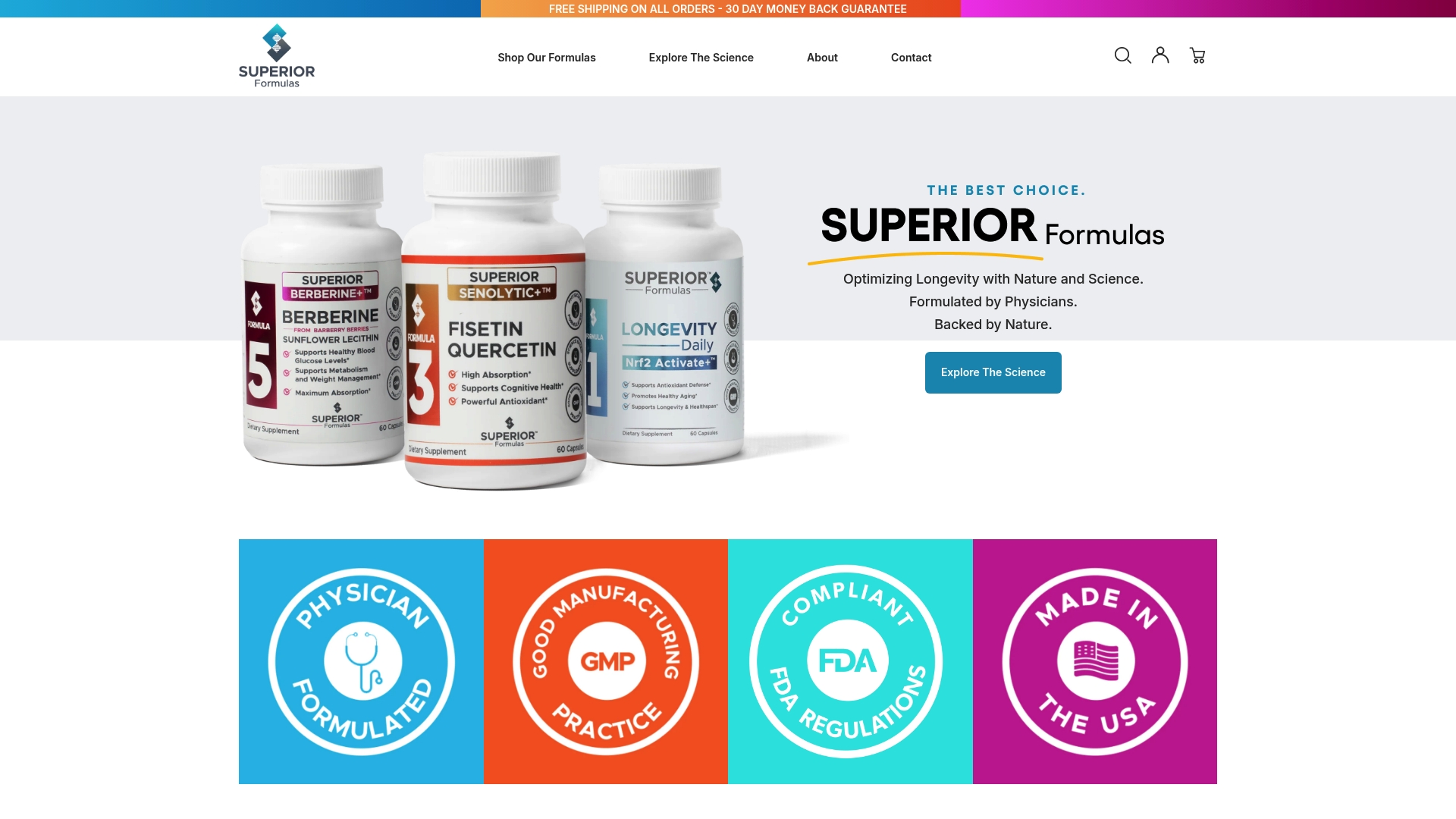
Superiorformulas was founded by a physician-scientist with one goal: create formulations that are clean, transparent, and clinically grounded. Every product is manufactured in a GMP-certified facility and undergoes third-party testing for purity and potency. There are no proprietary blends hiding ingredient amounts, no unnecessary fillers, and no unverified claims. If you want to understand what makes a supplement worth trusting, the clean supplement guide on the Superiorformulas blog walks through the criteria in plain language. When you are ready to put these safe supplement usage principles into practice, explore the full product line at Superiorformulas.
FAQ
What does third-party certification actually verify?
Third-party certifications from USP, NSF, or Informed Sport confirm that a supplement contains what its label claims and is free from specified contaminants. They do not assess whether the supplement is clinically effective or safe for every individual.
How do I know if a supplement is causing a side effect?
Add supplements one at a time and wait at least a week between additions. If a new symptom appears, stop use immediately and consult a healthcare provider to determine whether the supplement is the cause.
Are protein powders safe to use daily?
Protein powders carry higher contamination risks than most supplement types. Clean Label Project testing found lead in the majority of products tested, so choosing a protein powder with an NSF Certified for Sport or Informed Sport seal is the minimum standard for daily use.
Should I tell my doctor about every supplement I take?
Yes. Sharing your full supplement list with your doctor and pharmacist helps identify interactions with prescription medications and prevents organ strain from excessive supplementation.
What supplement categories carry the highest safety risk?
Products marketed for sexual enhancement, rapid weight loss, and bodybuilding carry the highest risk. These categories frequently contain undeclared pharmaceuticals or banned substances and should be avoided unless they carry a verified third-party certification seal.


