


Polyphenols are plant compounds with genuine, evidence-backed benefits for your heart, metabolism, and gut, and the most reliable way to get them is a varied, food-first diet, and not a single supplement. Cloves alone pack close to 15,000 mg of polyphenols per 100 grams, a striking contrast to the far lower concentrations found in most beverages. That single figure tells you most of what you need to know: whole plant foods, especially spices, berries, and tea, deliver far more than any isolated pill.
Three things to do starting today:
- Eat a wide variety of colorful plant foods daily rather than fixating on one “superfood.”
- Prioritize high-yield sources: berries, culinary spices, tea, extra-virgin olive oil, and dark chocolate.
- Talk to a clinician before starting concentrated polyphenol supplements if you take prescription medications.
Pro Tip: A pinch of cinnamon or a few cloves in your morning coffee adds more polyphenol punch than most fruit juices, calorie for calorie.
Key Takeaways
A food-first diet rich in spices, berries, tea, olive oil, and dark chocolate delivers more usable polyphenol benefit than isolated supplements for most healthy adults.
| Point | Details |
|---|---|
| Prioritize variety over intensity | Eat a wide range of colorful plant foods daily rather than relying on one high-polyphenol item. |
| Spices deliver outsized concentration | Cloves reach nearly 15,000 mg of polyphenols per 100 g, far above most fruits or beverages. |
| Bioavailability is often low | Small-intestine absorption for many polyphenols runs roughly 5 to 10 percent, so gut bacteria do much of the real work. |
| Watch for drug interactions | Grapefruit compounds, tea tannins, and high-dose resveratrol can interact with liver enzymes, iron absorption, or anticoagulants. |
| Consider targeted formulations selectively | Superiorformulas offers physician-formulated, third-party-tested polyphenol supplements for goals a diet alone may not fully cover. |
Table of Contents
- What Are Polyphenols and What Are Their Main Classes?
- Which Natural Foods Contain the Most Polyphenols?
- What Health Benefits Do Polyphenols Actually Support?
- Why Doesn’t Eating More Polyphenols Guarantee More Benefit?
- How Can You Get More Polyphenols From Food Every Day?
- Do Polyphenols Interact With Medications or Nutrient Absorption?
- What Doesn’t the Research Prove Yet?
- What Do Clinicians Recommend for Getting Polyphenols Safely?
- When Does Targeted Polyphenol Supplementation Make Sense?
- Where Can You Read More About Polyphenol Research?
- Frequently Asked Questions
- Sources
What Are Polyphenols and What Are Their Main Classes?
Polyphenols are phenolic compounds made by plants to defend against UV radiation, pests, and oxidative stress, and when you eat them, they act as antioxidants and cellular signaling molecules in your body. More than 8,000 distinct polyphenols have been identified, and grouping them into families makes the science far easier to apply at the dinner table.
Four classes matter most for a health-conscious eater:
- Flavonoids make up roughly 60% of dietary polyphenol intake, including quercetin (apples, onions) and EGCG, the dominant catechin in green tea.
- Phenolic acids account for about 30% of the total, with chlorogenic acid in coffee as the everyday example.
- Stilbenes, led by resveratrol, show up in grape skins and red wine in modest amounts.
- Lignans concentrate heavily in flaxseed and sesame seeds, and gut bacteria convert them into compounds with mild estrogen-like activity.
This classification isn’t academic trivia. Each class has a different molecular structure, which determines how well your gut absorbs it, how your liver processes it, and which tissues it eventually reaches. A quercetin molecule and a resveratrol molecule behave nothing alike once they hit your bloodstream, even though both get lumped under the umbrella of “natural antioxidants” in casual conversation.
Which Natural Foods Contain the Most Polyphenols?
Concentration varies by an almost absurd margin across food categories, and that gap is the most useful thing to understand before you plan a single meal.
Ranked by typical polyphenol density, the standout categories are:
- Dried spices and herbs, especially cloves, cinnamon, oregano, and rosemary.
- Berries: blueberries, blackberries, and dark cherries lead fresh produce.
- Tea, particularly green tea, for catechin and EGCG content.
- Coffee, a major dietary source of chlorogenic acid for regular drinkers.
- Extra-virgin olive oil, rich in hydroxytyrosol and oleuropein.
- Dark chocolate and cocoa, concentrated sources of flavan-3-ols.
- Nuts and seeds, with flaxseed and walnuts near the top.
- Legumes, onions, and red cabbage among vegetables.
- Grapes and their skins, the source of resveratrol.
- Whole grains, contributing steady background intake across the day.
The gap between categories is enormous. Cloves reach close to 15,000 mg of polyphenols per 100 grams, while a glass of rosé wine might carry only about 10 mg per 100 ml. That means a small amount of ground cloves stirred into oatmeal likely contributes substantially more polyphenols than an entire glass of wine, without the alcohol or the calories.
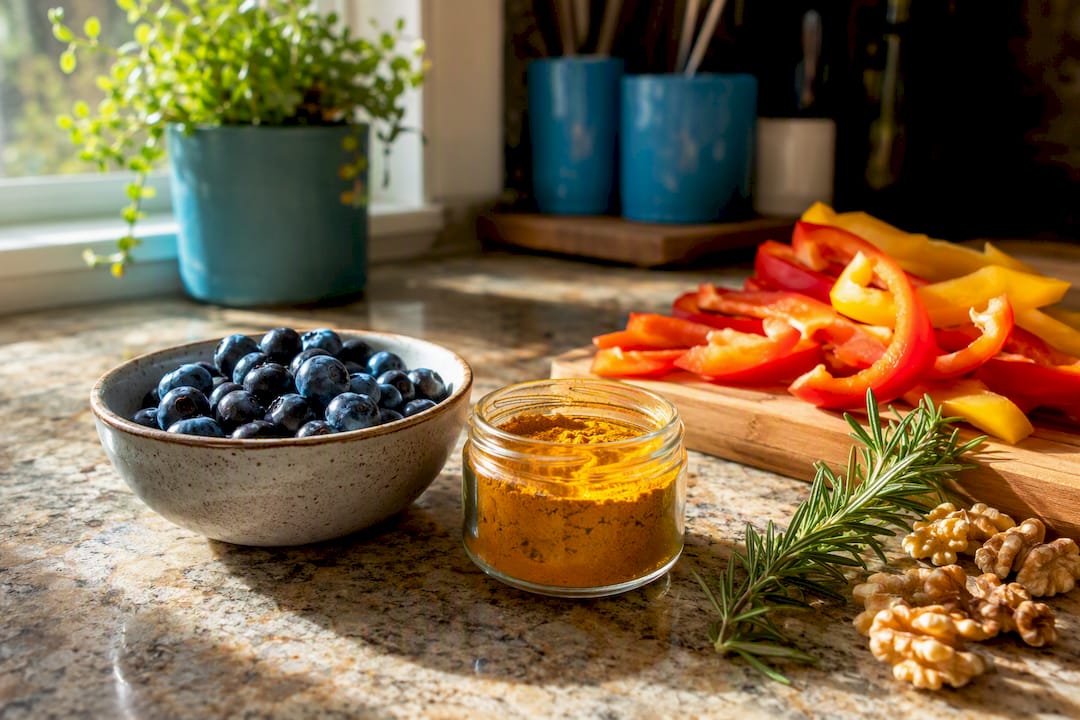
Part matters as much as type. Skins and seeds concentrate polyphenols far more than the flesh: an unpeeled apple carries meaningfully more than a peeled one, and grape skins hold most of that fruit’s resveratrol. Frozen berries are a legitimate substitute for fresh, since flash-freezing at peak ripeness locks in most of the phenolic content, and often beats out-of-season “fresh” berries shipped from thousands of miles away.
Pro Tip: Keep a small jar of mixed dried herbs, cinnamon, and cloves next to your stove. Adding a teaspoon to soups, stews, or oatmeal is the single cheapest way to raise your daily polyphenol intake without adding sugar or fat.
What Health Benefits Do Polyphenols Actually Support?
Polyphenols influence several measurable health outcomes, though the strength of evidence differs sharply from one to the next, and drawing that line honestly matters more than hype.
Cardiovascular health has the strongest backing. Multiple clinical trials and observational studies tie dietary polyphenols to improved lipid profiles, lower blood pressure, and reduced inflammatory markers, and cocoa flavan-3-ols specifically have been linked to lower rates of heart attack and stroke across several studies. The likely mechanism involves improved nitric oxide signaling in blood vessel walls, which helps vessels relax and blood pressure ease down.
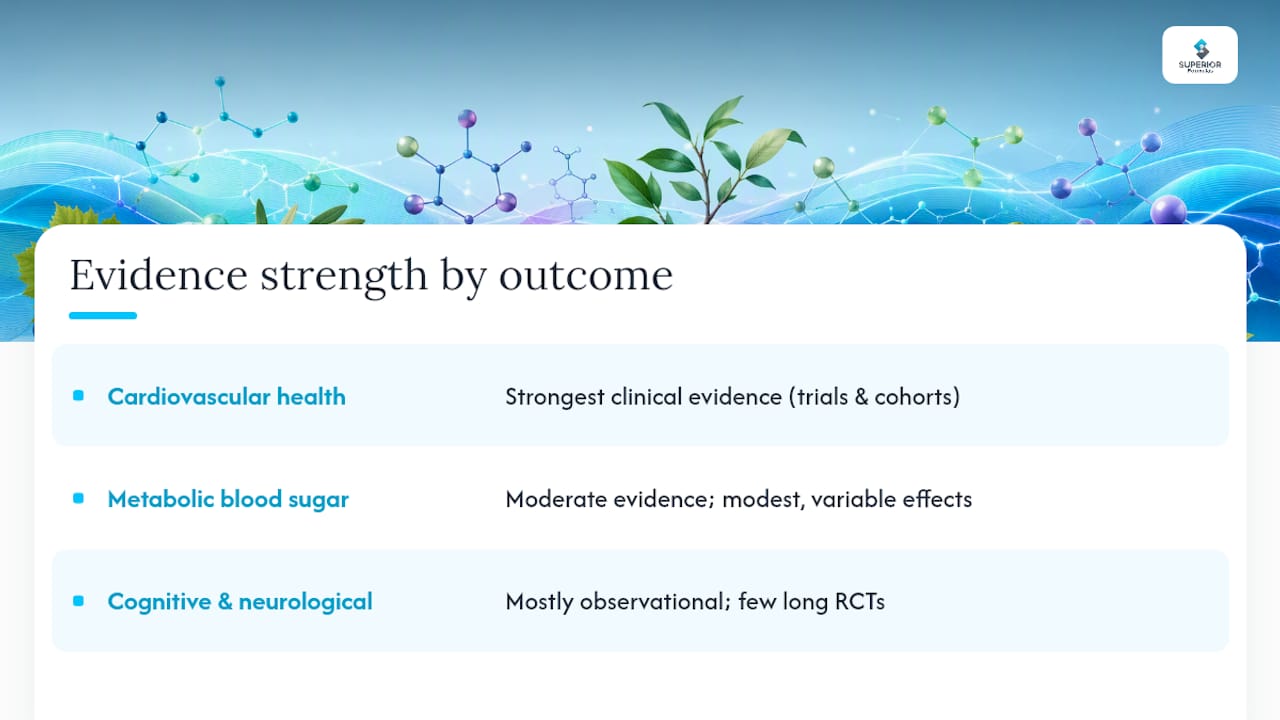
Metabolic and blood sugar effects carry moderate evidence. Several trials show improved insulin sensitivity with regular polyphenol-rich food intake, though effect sizes are modest and vary by population.
Cognitive and neurological outcomes remain mostly observational. Long-term dietary pattern studies associate higher flavonoid intake with slower age-related cognitive decline, but few randomized trials have run long enough to confirm causation.
Gut microbiome effects are an area of fast-growing interest. Polyphenols that survive digestion get metabolized by gut bacteria into smaller bioactive compounds, and this microbial conversion step increasingly looks like where much of the real biological action happens.
Cancer risk modulation has the weakest human evidence.
The scientific framing has shifted meaningfully over the past decade: polyphenols were once explained almost entirely as antioxidant “scavengers” mopping up free radicals. Current research points instead toward targeted cellular signaling, including Nrf2 pathway activation, and toward gut microbiome-derived metabolites as the more likely drivers of measurable health effects.
That reframing matters for expectations. A polyphenol isn’t a sponge soaking up damage; it’s closer to a signal that nudges your cells toward better stress resistance over time, a distinction supported by the broader review of polyphenols in human health and food systems.
Why Doesn’t Eating More Polyphenols Guarantee More Benefit?
Because of the food matrix. Polyphenols eaten as part of a whole food behave differently than the same compound isolated in a capsule, since fiber, fats, and other phytochemicals in the food change how your gut absorbs and processes them.
This is why matrix effects and bioavailability sit at the center of modern polyphenol research rather than at the edges. Several factors determine how much of what you eat actually reaches your bloodstream in an active form:
- Chemical structure, particularly glycosylation, which affects how easily a compound crosses the gut lining.
- The food matrix itself, since fat can improve absorption of some polyphenols while fiber can bind and slow others.
- Cooking and processing, which sometimes boosts bioaccessibility and sometimes destroys sensitive structures through high heat.
- Gut microbiome composition, since bacteria convert complex polyphenols into the smaller metabolites your body actually uses.
- Hepatic conjugation, the liver’s rapid processing and elimination of absorbed polyphenols, often within hours.
The numbers here are humbling. Estimates for many polyphenols put small-intestine absorption at roughly 5 to 10 percent, meaning the vast majority of what you swallow either passes through unabsorbed or gets transformed by gut bacteria before it does anything measurable. Curcumin, the polyphenol in turmeric, is a textbook case: eaten alone it barely registers in the bloodstream, but paired with black pepper’s piperine, absorption climbs substantially. Green tea’s EGCG faces a similar bottleneck, which is part of why researchers are exploring liposomal and nanoencapsulated delivery formats to improve systemic exposure in clinical settings.
How Can You Get More Polyphenols From Food Every Day?
A sample day built around boosting natural polyphenol intake looks less like a restrictive diet and more like a handful of smart swaps layered onto meals you already eat.
- Breakfast: Oatmeal topped with blueberries, a sprinkle of cinnamon, and chopped walnuts.
- Mid-morning snack: A cup of green tea with a small square of dark chocolate (70% cacao or higher).
- Lunch: A salad with red cabbage, onions, and a dressing built on extra-virgin olive oil and lemon.
- Afternoon snack: A handful of mixed nuts with dried herbs roasted in, or plain berries.
- Dinner: A legume-based stew seasoned generously with cloves, oregano, and rosemary, served with a side of whole grains.
A few swaps compound over weeks:
- Replace butter with extra-virgin olive oil in cooking and dressings.
- Reach for berries instead of processed sweets when a craving hits.
- Stir cinnamon or mixed spice blends into yogurt, oatmeal, or coffee.
- Keep frozen berries stocked for off-season months, since freezing preserves most of their phenolic content.
Pro Tip: Light steaming or brief fermentation, as with sauerkraut or miso, can actually increase polyphenol bioaccessibility compared to raw or heavily boiled vegetables, because it breaks down cell walls without the degradation that high, prolonged heat causes.
Do Polyphenols Interact With Medications or Nutrient Absorption?
Yes, and a few of these interactions carry real clinical weight, not just theoretical concern.
- Grapefruit and certain polyphenol-rich compounds can inhibit CYP450 liver enzymes, altering how your body metabolizes a range of prescription drugs, sometimes dangerously raising blood levels.
- Tea polyphenols, particularly tannins, inhibit non-heme iron absorption when consumed with meals, a real concern for anyone managing iron-deficiency anemia.
- High-dose polyphenol supplements, including concentrated resveratrol, may interact with anticoagulants like warfarin by amplifying bleeding risk.
Pregnant people, anyone on a narrow therapeutic-index medication, and people with diagnosed iron deficiency should raise polyphenol supplement use directly with a prescriber before starting anything concentrated. Formulation quality varies widely across the supplement market, which is exactly why clinically studied, clinician-guided formulations matter more here than in categories with simpler safety profiles.
What Doesn’t the Research Prove Yet?
Several limitations keep polyphenol science from delivering the sweeping claims you sometimes see in headlines.
- Oral bioavailability for many compounds stays low, which complicates translating lab results into real dosing guidance.
- Many benefits shown in test tubes use concentrations far higher than what’s achievable through eating or even most supplementation.
- Clinical trials vary widely in dose, duration, and endpoints, making head-to-head comparisons difficult.
- Observational studies linking high polyphenol intake to better health can’t fully rule out confounding from an overall healthier lifestyle.
Food-first remains the soundest approach; supplements can serve a role for specific clinical goals, but they work best under clinician guidance. Meaningful changes in health markers tend to unfold over months of consistent dietary habits, not days.
What Do Clinicians Recommend for Getting Polyphenols Safely?
Whole foods come first. A physician-formulated approach to supplementation reserves concentrated polyphenol products for targeted goals a varied diet can’t reasonably reach, rather than treating them as a substitute for vegetables and spices.
When you do evaluate a supplement, a short checklist separates serious products from marketing:
- Formulated with input from a physician or clinical researcher, not just a marketing team.
- Backed by a third-party certificate of analysis confirming purity and potency.
- Manufactured in a GMP-certified facility.
- Transparent about sourcing, dosing, and the specific compounds included.
Pro Tip: If a label lists “proprietary polyphenol blend” without naming individual compounds or amounts, that’s a red flag, not a selling point. Clinically credible formulations disclose exactly what’s inside.
Always loop in a clinician before combining supplements with prescription medications, especially blood thinners or drugs metabolized through the liver’s CYP enzyme system.
A Practical Note on Food First, Supplements Second
I keep coming back to the same conclusion after working through this evidence: variety beats intensity. Chasing one “miracle” polyphenol misses the point that these compounds work in concert with fiber, gut bacteria, and each other. Curiosity about targeted supplements is reasonable, but it belongs alongside clinical caution, not ahead of it.
If your diet already leans varied and colorful, you’re doing most of what the science supports. Save the harder questions about concentrated formulations for a conversation with a clinician who knows your specific health picture.
When Does Targeted Polyphenol Supplementation Make Sense?
Diet alone doesn’t always close the gap. If your weekly meals lack variety, or you’re pursuing a specific goal like supporting metabolic markers under a clinician’s care, a targeted formulation can fill in what food realistically can’t deliver on a consistent basis.
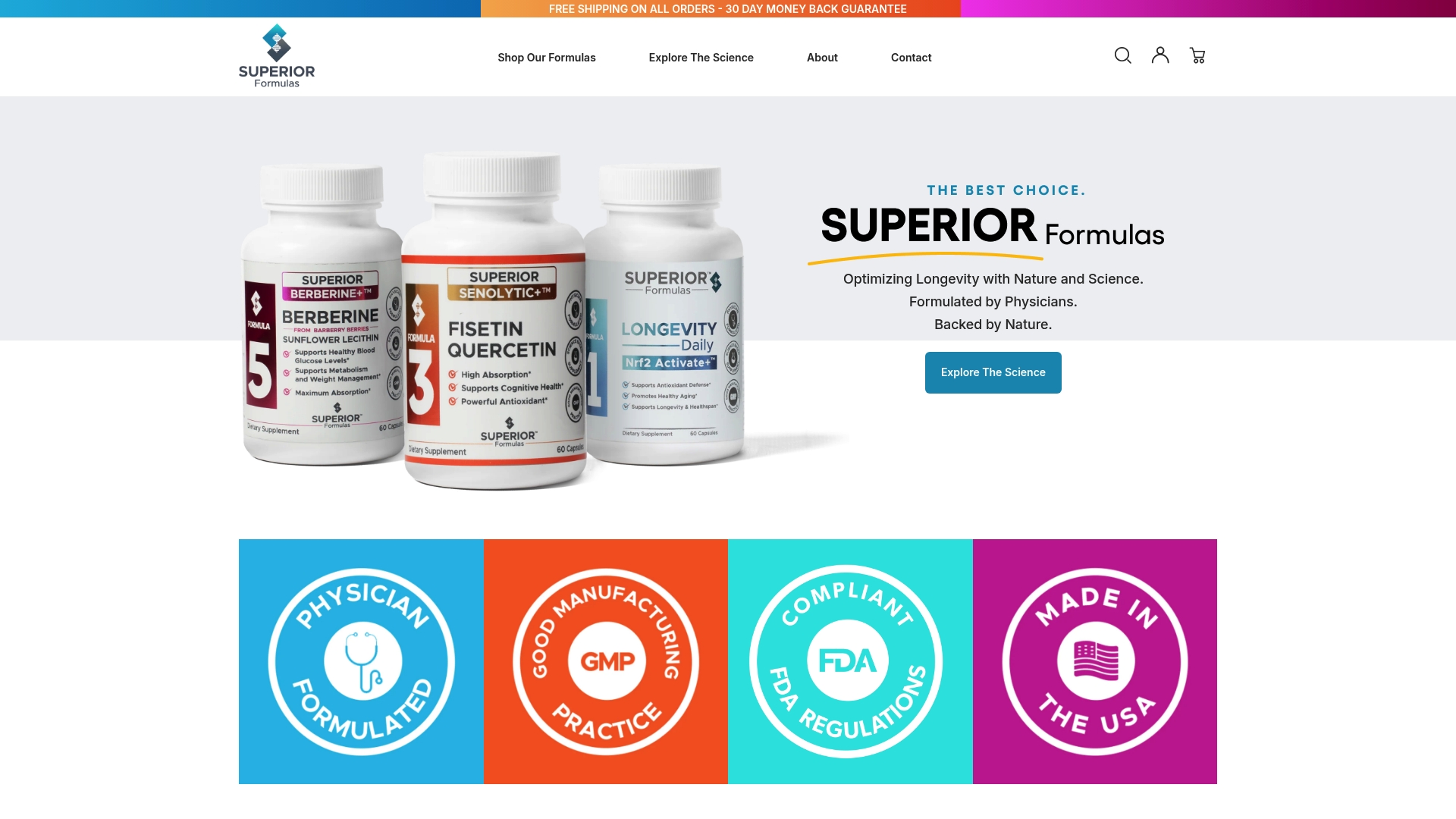
Superiorformulas builds its polyphenol formulations the way this guide recommends you evaluate any supplement: physician-led, backed by clinically studied compounds, and manufactured in GMP-certified facilities with third-party testing on every batch. That’s a meaningfully different standard than the generic “antioxidant blend” you’ll find on most drugstore shelves, where dosing and sourcing are rarely disclosed. If you want to see how a science-driven formulation approach compares to a food-only strategy, the top science-backed polyphenol picks breaks down which compounds are worth targeting and why. Explore the current formulations on the Superiorformulas site and see which one aligns with your specific health goals.
Where Can You Read More About Polyphenol Research?
- Polyphenols: From Classification to Therapeutic Potential and Bioavailability: comprehensive breakdown of polyphenol classes and food concentration data.
- Polyphenols: From Theory to Practice: deep dive into matrix effects and metabolic pathways.
- Health Benefits of Polyphenols: A Concise Review: summary of cardiovascular and metabolic clinical findings.
- The Role of Polyphenols in Human Health and Food Systems: broader context on agricultural and processing variability.
- Polyphenols and Their Therapeutic Potential and Bioavailability: discussion of research limitations and translational challenges.
- Dietary Polyphenols and Human Health, Frontiers in Immunology: review of bioavailability and encapsulation strategies.
- What Are Polyphenols? Benefits and Foods, Cleveland Clinic: clinician-oriented overview favoring dietary diversity.
Frequently Asked Questions
What is the best natural polyphenol guide for beginners to follow? The simplest approach is a food-first plan built around variety: spices, berries, tea, olive oil, and dark chocolate covers the highest-yield sources without requiring supplements or complicated tracking.
What foods are naturally highest in polyphenols? Dried spices and herbs, particularly cloves and cinnamon, top the list, followed by berries, green tea, coffee, extra-virgin olive oil, dark chocolate, and flaxseed.
Are polyphenol supplements as effective as whole foods? Whole foods generally outperform isolated supplements because matrix effects and interactions with fiber and fat improve how your body processes the compounds; supplements can still help for specific, clinician-guided goals.
Can polyphenols interact with medications? Yes. Grapefruit compounds can alter liver enzyme activity affecting many drugs, tea polyphenols can reduce iron absorption, and high-dose resveratrol may interact with anticoagulants like warfarin.
How much polyphenol intake is considered healthy? There’s no single universal target, but eating a colorful variety of plant foods across most meals, rather than fixating on one ingredient, aligns with what current evidence supports for natural antioxidants and health benefits.
This article is general information, not a substitute for advice from a qualified doctor. Consult a qualified healthcare professional about your own circumstances before acting on anything here.
Sources
- Polyphenols: From Classification to Therapeutic Potential and Bioavailability - PMC
- Polyphenols: From Theory to Practice - PMC
- Health benefits of polyphenols: A concise review — PubMed
- Dietary polyphenols and human health: sources, biological activities, nutritional and immunological aspects, and bioavailability – a comprehensive review — Frontiers (2025)
- What Are Polyphenols? Benefits and Foods — Cleveland Clinic


