


Routine CoQ10 supplementation is not supported for everyone on a statin, but a monitored trial can be reasonable for people with persistent muscle symptoms once other causes are ruled out. A 2022 meta-analysis of 472 patients found no statistically significant benefit, while Cleveland Clinic and Mayo Clinic both counsel against routine use. Any new muscle pain deserves a call to your prescriber before you change anything.
TL;DR:
- Large-scale studies show no significant benefit of CoQ10 supplementation for statin-associated muscle symptoms, and guidelines recommend against routine use.
- Blood CoQ10 levels decrease by about 20% to 40% during statin therapy, but this does not necessarily cause muscle pain, and supplementing remains unproven for prevention.
- Small, heterogenous trials sometimes report improvements due to placebo effects, biased publication, or dosage differences, which cloud the overall evidence.
- A monitored CoQ10 trial may be appropriate for patients with persistent muscle symptoms after ruling out other causes, lasting six to twelve weeks with symptom tracking.
- The most effective formulations for absorption are ubiquinol in oil-based softgels taken with a fatty meal, but higher absorption does not guarantee symptom relief.
Table of Contents
- What Does the Research Say About CoQ10 and Statin Muscle Pain?
- Why Do Statins Lower CoQ10 Levels in the First Place?
- Should You Try CoQ10 If You Have Muscle Symptoms?
- What Dose and Formulation Actually Work Best?
- Is CoQ10 Safe to Take With Statins and Other Medications?
- What Should You Do If You Have Muscle Pain on a Statin?
- How Superiorformulas Thinks About CoQ10 Quality
- The Honest Take on CoQ10 Hype
- Where to Find Physician-Formulated CoQ10 Support
- Sources
- FAQ
What Does the Research Say About CoQ10 and Statin Muscle Pain?
The clinical evidence on CoQ10 for statin-associated muscle symptoms is inconsistent, and that inconsistency is the whole story. Large pooled analyses tend to find nothing meaningful, while some smaller individual trials report improvement. Understanding why those two pictures diverge tells you more than either result alone.
The most rigorous look at this question is a 2022 meta-analysis that pooled randomized controlled trials covering 472 patients on statin therapy who reported muscle pain.
The number that matters most: the pooled standardized mean difference between CoQ10 and placebo was -0.59 (95% CI, -1.54 to 0.36; P = 0.22). A confidence interval that wide, crossing zero, means the true effect could range from a modest benefit to no effect at all. The result was not statistically significant.
That is not a subtle finding. When a meta-analysis with hundreds of pooled patients returns a P value of 0.22, the honest conclusion is that CoQ10 did not separate itself from a sugar pill in a way researchers can trust.
Contrast that with a 2024 systematic review published in PMC, which reached a messier conclusion. Some of the trials it reviewed showed real improvement in musculoskeletal symptoms among statin users who took CoQ10. Others showed nothing. The review’s own authors flagged heterogeneity across studies as a central problem, meaning the trials differed enough in dose, formulation, patient population, and trial length that comparing them directly is a bit like comparing apples to citrus in general.
Why do small trials sometimes look promising when the bigger picture does not hold up? A few things happen consistently in this kind of research:
- Placebo response is real and measurable in muscle pain trials, where subjective symptom reporting is highly sensitive to expectation.
- Small sample sizes exaggerate random variation, so a handful of patients who happen to improve can swing an entire trial’s result.
- Publication patterns favor positive findings, which means small studies showing benefit are more likely to get published and cited than small studies showing nothing.
- Formulation and dose varied widely across the trials feeding into these reviews, muddying any signal that might exist.
Put those pieces together and you get exactly what the literature shows: a scattering of hopeful small studies sitting on top of a null large-scale result. The clinical consensus, reflected in guidance from both Cleveland Clinic and Mayo Clinic, is that the evidence does not support giving CoQ10 to every statin user as a preventive measure. It does not mean CoQ10 does nothing for anyone. It means nobody has proven it does something for most people, and that distinction should shape how you and your clinician think about it.
Why Do Statins Lower CoQ10 Levels in the First Place?
The biological story behind statin muscle symptoms starts with a shared manufacturing pathway inside your cells. Statins work by inhibiting an enzyme called HMG-CoA reductase, which controls cholesterol production in the liver. That enzyme sits on the same biochemical assembly line that produces CoQ10, a compound your mitochondria need to generate cellular energy. Block the enzyme to lower cholesterol, and you may also throttle your body’s own CoQ10 output as a side effect of the mechanism, not the goal.
Blood measurements back this up. Multiple studies report that circulating CoQ10 concentrations drop by roughly 20% to 40% in patients on statin therapy, a decline large enough to notice on a lab test.
Here is where the story gets more complicated than most supplement marketing suggests: a lower blood level does not automatically mean lower levels inside your muscle tissue, and it definitely does not prove that reduced CoQ10 causes the muscle pain some statin users experience. Blood and tissue are not the same compartment, and CoQ10 transport dynamics between them are not fully mapped. Animal research, including older rodent studies on CoQ10 and the related compound PQQ, shows measurable antioxidant and mitochondrial effects. But animal biology does not reliably predict what happens in a human muscle fiber exposed to a statin for years.
This is the gap between biological plausibility and proven clinical effect. The mechanism makes sense on paper. Whether it plays out as measurable muscle symptoms, and whether replacing CoQ10 fixes those symptoms, is a separate question the trials have not answered clearly.
A few subgroups carry theoretically higher risk and deserve closer clinician attention:
- Older adults, who often have lower baseline CoQ10 and less physiological reserve.
- People with heart failure, where mitochondrial energy demand is already compromised.
- Patients with familial hypercholesterolemia, who typically need higher-intensity statin therapy for longer periods.
None of this changes the bottom line on routine supplementation. It just tells you where a more individualized conversation might be worth having.
Should You Try CoQ10 If You Have Muscle Symptoms?
Clinicians generally do not recommend CoQ10 as a default add-on for every statin prescription. But for a specific situation, a monitored trial is a reasonable middle ground: persistent muscle aches or weakness that has already been checked for other explanations, and hasn’t resolved with the usual first steps.
A few candidate groups show up repeatedly in clinical discussion as people who might reasonably consider a trial:
- Patients with confirmed statin-associated muscle symptoms who have already had other causes ruled out (more on that in the next section).
- Older adults on higher-intensity statins, where the theoretical risk of lower CoQ10 status is greatest.
- People who have tried dose adjustment or a different statin without full symptom resolution and want to explore an adjunct before giving up on statin therapy altogether.
If you and your clinician decide a trial makes sense, give it a real test window. Six to twelve weeks is the timeframe most often used in clinical practice, long enough for blood and tissue levels to shift and for a genuine symptom change to become apparent, if one is going to happen. If nothing has improved by then, stopping is the reasonable next move rather than continuing indefinitely on hope.
Pro Tip: Keep a simple symptom log before you start and during the trial, rating pain or weakness weekly on a 1 to 10 scale. That small habit turns a vague impression of “maybe it’s a little better” into something you and your clinician can actually evaluate.
The throughline here is shared decision-making. This is not a supplement to add quietly on your own and mention at your next physical six months later. Tell your prescriber before you start, agree on what “working” would look like, and document the plan together. That conversation matters more for outcomes than the specific brand you pick off the shelf.
What Dose and Formulation Actually Work Best?
If a CoQ10 trial is on the table, formulation and dose decisions genuinely change what happens in your bloodstream, even though the connection to symptom relief remains unproven. Trials in this space commonly used doses in the 100 to 300 mg per day range, with Cleveland Clinic citing 200 mg per day as a common practical figure when a clinician does support a trial.
Not all CoQ10 gets absorbed equally, and this is where a lot of over-the-counter products fall short. CoQ10 exists in two forms:
- Ubiquinone, the oxidized form, historically the more common and cheaper supplement format.
- Ubiquinol, the reduced, active form, which research on bioavailability shows is generally better absorbed than standard ubiquinone.
Formulation matters just as much as the molecule itself. That same bioavailability research points to oil-based and gel-cap delivery systems as measurably better than dry powder formats at raising plasma CoQ10 levels, because CoQ10 is fat-soluble and needs a lipid carrier to cross into the bloodstream efficiently.
The bioavailability gap in plain terms: a dry-powder ubiquinone tablet taken on an empty stomach is working against its own chemistry. An oil-suspended ubiquinol softgel taken with a meal that contains fat gives your gut a far better shot at actually absorbing the dose you swallowed.
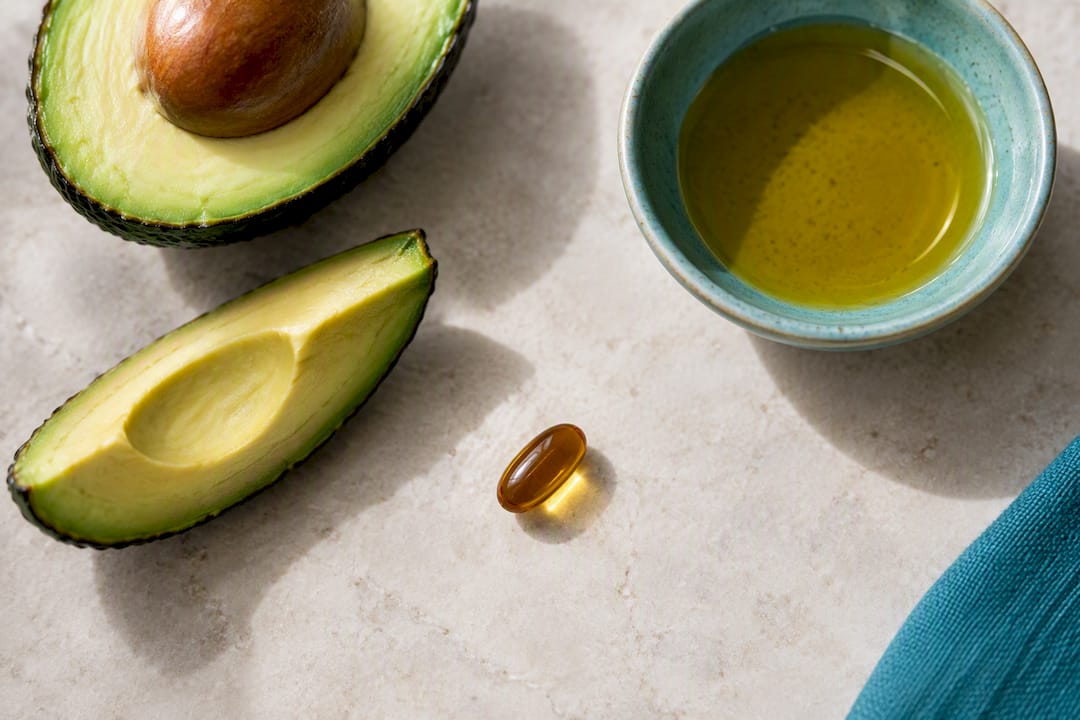
Two practical habits follow from this. Take CoQ10 with a meal containing some fat, not on an empty stomach. And give it several weeks before judging whether it’s doing anything at all. Our guide to CoQ10 timing walks through this in more detail if you want the fuller picture.
One honest caveat belongs here: a higher-bioavailability product is more likely to actually raise your blood CoQ10 levels. Whether that translates into less muscle pain is a separate question the trials have not settled. Better absorption is a prerequisite for a possible effect, not a guarantee of one.
Is CoQ10 Safe to Take With Statins and Other Medications?
CoQ10 has a relatively clean safety profile compared to many supplements, but “relatively clean” is not the same as “no interactions worth discussing with your clinician.”
The interaction that comes up most often involves warfarin. CoQ10 has a chemical structure related to vitamin K, and some case reports suggest it may reduce warfarin’s blood-thinning effect, which can throw off coagulation monitoring. If you take warfarin or any other blood thinner, this is a conversation to have before starting CoQ10, not after your next INR check comes back unexpectedly low.
Beyond that specific concern, here is what else matters for safety:
- Mild gastrointestinal upset is the most commonly reported side effect, including nausea or stomach discomfort, usually at higher doses.
- Rare but reported issues include headache, insomnia, and skin rash in a small minority of users.
- Pregnancy and breastfeeding call for clinician supervision, since safety data in these populations is limited.
- Complex polypharmacy, meaning several prescription medications taken together, raises the value of a pharmacist or physician review before adding any new supplement, CoQ10 included.
- Product quality varies enormously across brands. Look for third-party testing and manufacturing in a GMP-certified facility, since supplement purity and labeled-dose accuracy are not guaranteed by law the way prescription drugs are.
None of this makes CoQ10 dangerous for most healthy adults. It does mean the “it’s just a vitamin, how bad could it be” instinct undersells the value of telling your full care team what you’re taking.
What Should You Do If You Have Muscle Pain on a Statin?
Muscle pain on a statin is common enough that clinicians have a fairly standard workflow for it. Here is how that typically unfolds.
- Write down what you’re feeling. Note where the pain is, how it started, and whether it lines up with a new exercise routine or genuinely came out of nowhere.
- Ease off unusual exertion temporarily and call your prescriber rather than waiting for your next scheduled visit.
- Expect a clinical workup. Your clinician will likely order a creatine kinase (CK) test and review your full medication list, while also checking for other common culprits like thyroid dysfunction, vitamin D deficiency, or simply overdoing a new workout.
- Discuss management options if statin-related myopathy is likely. This usually means lowering the dose, switching to a different statin, or trying a hydrophilic statin that behaves differently in muscle tissue, sometimes with a temporary pause in therapy.
- Consider CoQ10 as an adjunct, not a substitute, only after these steps and only with your clinician’s agreement. Document your baseline symptoms and reassess at a set follow-up point.
CoQ10 belongs at the end of that list, not the beginning. Medication adjustment addresses the suspected cause directly. Supplementation is, at best, a supporting player.
How Superiorformulas Thinks About CoQ10 Quality
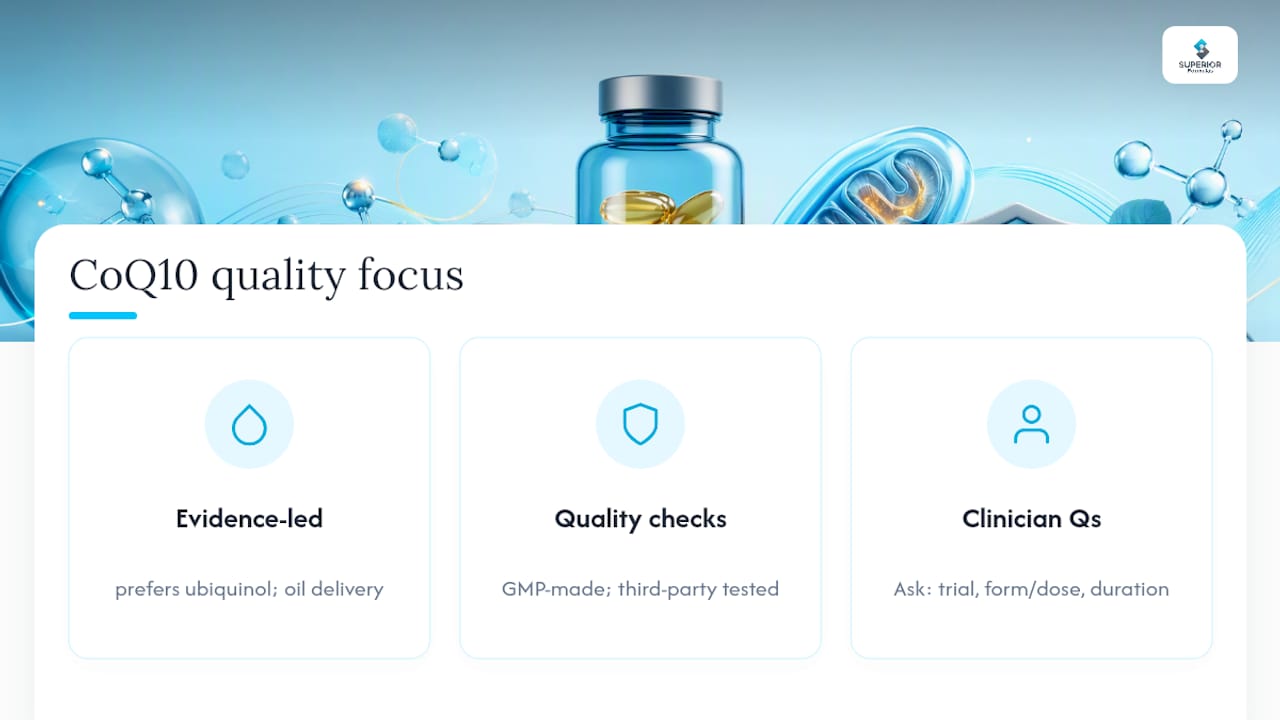
A brand founded by a physician-scientist may approach ingredients like CoQ10 with attention to what the evidence actually supports, not just what sells. Formulation choices may favor ubiquinol and oil-based delivery specifically because bioavailability research points that direction.
High-quality dietary supplements are typically manufactured in GMP-certified facilities and third-party tested for purity, standards clinicians often consider when recommending supplements. Before you buy anything, bring three questions to your clinician: is a CoQ10 trial reasonable for my specific symptoms, what formulation and dose make sense, and how long should we wait before deciding if it worked?
The Honest Take on CoQ10 Hype
CoQ10 sits in an uncomfortable middle ground: real biochemistry, weak clinical proof. The mechanism is sound, the blood-level drops are measurable, and yet the best pooled trial data still lands on “no significant difference.” That gap between plausibility and proof is exactly where supplement marketing thrives, and exactly where a skeptical, clinician-guided approach protects you. If you’re going to try it, try it on purpose: documented, time-limited, and reassessed. Anything less is just an expensive habit dressed up as evidence.
— cristopher
Where to Find Physician-Formulated CoQ10 Support
If you and your clinician decide a monitored CoQ10 trial is worth exploring, formulation quality is where most over-the-counter options quietly fall short. Some companies build their product lines around physician-formulated antioxidant support, with products manufactured in GMP-certified facilities and third-party tested for purity, standards clinicians often look for before endorsing supplements.
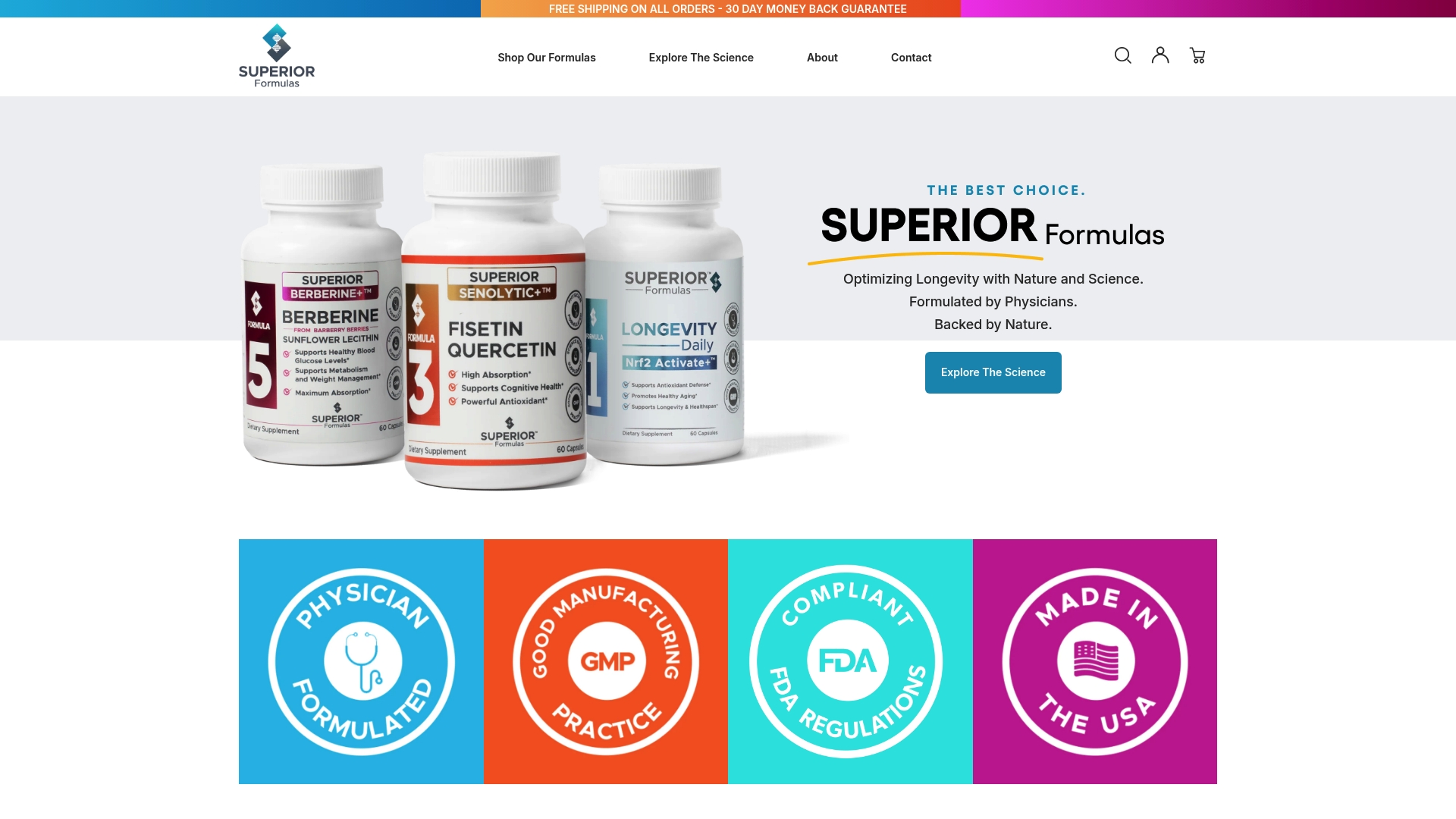
The full product collection gives you a clear view of the formulation choices behind each product, including antioxidant and cellular-support options built with absorption in mind rather than the cheapest raw ingredient available. If a particular formula catches your eye, the Superior Senolytic+ product page breaks down its ingredient sourcing and testing in more detail. Bring whatever you’re considering to your next appointment and talk it through with your clinician before adding it to your routine. That conversation, not the purchase, is the step that actually protects you.
Sources
- PubMed - 2021/2022 meta-analysis (statin-induced muscle pain and CoQ10)
- Effectiveness of Coenzyme Q10 Supplementation in Statin-Induced Myopathy: A Systematic Review
- Cleveland Clinic - Can CoQ10 supplement help if I’m taking a statin?
- Mayo Clinic Q&A: Statin use doesn’t always mean coenzyme Q10 supplement is needed
FAQ
Why Don’t Doctors Recommend CoQ10 for Everyone on Statins?
Doctors hold back on a blanket recommendation because the strongest evidence, a meta-analysis of 472 patients, found no statistically significant benefit over placebo. Biological plausibility exists, but proof of a consistent clinical effect does not, which is why groups like Cleveland Clinic reserve it for selected monitored cases rather than routine use.
When Is the Best Time to Take CoQ10 With Statins?
CoQ10 is fat-soluble, so taking it alongside a meal that contains some fat improves absorption regardless of what time of day you take your statin. Many people simply pair it with their largest meal for consistency, and it does not need to be taken at the same time as the statin dose itself.
Who Should Avoid Taking CoQ10?
People on warfarin or other blood thinners should talk to their clinician first, since CoQ10 may interfere with coagulation monitoring. Pregnant or breastfeeding individuals and anyone managing complex polypharmacy should also get clinician sign-off before starting, given limited safety data in those groups.
What Supplements Should You Not Take With Statins Without Checking First?
Beyond CoQ10, anything with blood-thinning properties or strong effects on liver metabolism deserves a conversation with your prescriber, since statins are processed through specific liver pathways that some supplements can interfere with. The safest approach is bringing your full supplement list, not just CoQ10, to every medication review.
Is a CoQ10 Trial Ever Worth Trying for Muscle Symptoms?
A monitored trial can be reasonable after other causes of muscle pain are ruled out and a clinician agrees on a plan, typically 100 to 300 mg per day for six to twelve weeks with symptom tracking. If nothing improves in that window, stopping is the more sensible next step than continuing indefinitely.


