


Most fisetin supplements on the market provide 100 to 500 milligrams per day, with many people starting at the lower end to gauge tolerance. Human trials take a different approach entirely: researchers typically dose around 20 milligrams per kilogram of body weight, given as a short pulse over one to two days and repeated weeks later. Before attempting anything closer to the research protocol, talk with a clinician, especially if you take blood thinners or medications metabolized through the liver’s CYP enzymes.
TL;DR:
- For general antioxidant support, 100 to 250 milligrams daily is the common practical starting range; trial protocols instead use about 20 milligrams per kilogram.
- Research pulses typically span two consecutive days, sometimes repeat about a month later, and require clinician guidance because personal safety and effectiveness remain unestablished.
- A human study found hybrid hydrogel fisetin produced 26.9 times greater overall exposure and 23.9 times higher peak levels, but commercial products were not compared.
- Blood thinners, antiplatelet drugs, and CYP3A4 medicines warrant clinician or pharmacist review; pregnancy, breastfeeding, and liver or kidney disease also call for specialist advice.
Table of Contents
- How much fisetin do people actually take, and how does that compare to trial doses?
- What do clinical trials use for fisetin dosing, and how are participants monitored?
- Daily low dose or intermittent pulse: which schedule fits your goals?
- Why formulation changes how much fisetin actually reaches your bloodstream
- What side effects and drug interactions should you watch for?
- What the clinical evidence actually shows so far
- A clinician-formulated view on fisetin dosing
- A physician-formulated fisetin and quercetin option built around these same principles
- FAQ
- Sources
How much fisetin do people actually take, and how does that compare to trial doses?
Walk into the supplement aisle or browse a wellness retailer online, and you will find fisetin capsules sold mostly in three ranges: 100 milligrams, 100 to 200 milligrams, and occasionally 250 to 500 milligrams per serving. Most product labels suggest taking one capsule daily, which puts the typical consumer somewhere between 100 and 500 milligrams a day, taken consistently rather than in pulses.
That is a world apart from what clinical researchers use. Trial protocols for conditions like carpal tunnel syndrome and age-related multimorbidity dose participants at approximately 20 milligrams per kilogram of body weight per day, given for two consecutive days and then repeated after a rest period. Translated into real numbers, that protocol looks like this:
The amount for an individual depends on body weight. For example, a 20 mg/kg protocol calculates the daily amount by multiplying body weight in kilograms by 20.
When capsules contain 100 milligrams of fisetin, reaching a trial-level dose may require taking many capsules, which can create a substantial pill burden. Trial protocols address this by allowing participants to empty capsule contents into applesauce or pudding, making the dose easier to get down within the target 10 to 60 minute window, a method supported by fast-absorbing supplements known to aid midlife women for convenience and absorption like those described at NUKA.

If your goal is general antioxidant support rather than replicating a research pulse, a steady daily dose in the 100 to 250 milligram range is the more common and practical starting point. If you are specifically interested in the intermittent high-dose model studied in trials, that decision carries more complexity and deserves a conversation with a healthcare provider first, particularly around medication timing and monitoring.
Pro Tip: If you choose to try a higher-dose pulse, split the capsules into two smaller servings taken 15 to 20 minutes apart with food to ease digestion rather than swallowing them all at once.
What do clinical trials use for fisetin dosing, and how are participants monitored?
Several registered trials use about 20 milligrams per kilogram of body weight per day for two consecutive days; some protocols include a repeat course after a rest period. The Phase 2 FITCATS protocol, studying fisetin for carpal tunnel syndrome, uses this exact structure, with 100 milligram capsules dosed to reach the target mg/kg amount over two days, then a second course about a month later.
Other trial designs follow a similar rhythm. One protocol describes fisetin given for two consecutive days followed by 28 days off, with a second two-day course afterward. The protocol describes prior human experience with this dosing schedule, but the available information here is not enough to characterize its safety. A separate pilot trial is studying fisetin at 20 milligrams per kilogram per day for two consecutive days in healthy volunteers and older patients, to assess pharmacokinetics, safety, and tolerability.
A few practical details show up repeatedly across these protocols:
- One trial protocol specifies completing the daily dose within a 10 to 60 minute window.
- Some trial protocols allow capsule contents to be mixed into soft food such as applesauce or pudding.
- Trial protocols include safety monitoring and scheduled follow-ups around dosing.
This structure reflects the “hit-and-run” theory behind senolytic compounds: a short, concentrated exposure is thought to prompt senescent cells to clear, after which the drug does not need to remain in circulation. For more on that underlying mechanism, our explainer on how senolytics work walks through the biology in plain terms. It is worth emphasizing that these are small, early-stage studies, not large population trials, so the safety picture, while reassuring so far, is still being filled in.
Daily low dose or intermittent pulse: which schedule fits your goals?
The core difference comes down to philosophy. A daily supplement schedule involves taking fisetin consistently, but its effects on blood levels depend on the product and individual. An intermittent pulse follows the senolytic “hit-and-run” model tested in trials, where a short burst of high exposure is thought to trigger a biological effect without needing sustained presence in the body.
Here is how the two approaches typically break down in practice:
- Daily maintenance: 100 to 250 milligrams taken once a day, usually with a meal, for ongoing antioxidant support.
- Trial-style pulse: approximately 20 milligrams per kilogram on two consecutive days, repeated roughly once a month or at the spacing used in the specific protocol you are referencing.
- Adapted consumer pulse: Changing a trial protocol for personal use has not been established as effective or safe, so discuss it with a clinician.
If you decide to try a pulsed schedule, seek medical advice promptly if you develop concerning symptoms. Seek urgent care for severe symptoms or signs of serious bleeding. Spacing matters too: Do not change the timing of prescribed medicines or supplements around a fisetin dose without advice from your clinician or pharmacist. Mention your plan to any prescriber managing your medications so they can flag potential timing conflicts.
Why formulation changes how much fisetin actually reaches your bloodstream
Here is a detail that gets lost in most dosage conversations: the milligram number on a label does not tell you how much fisetin your body actually absorbs. A human pharmacokinetic study reported low bioavailability for unformulated fisetin.
A human pharmacokinetic study compared unformulated fisetin with a hybrid-hydrogel formulation and reported about 26.9-fold greater AUC and about 23.9-fold higher Cmax for the enhanced formulation.
The study suggests formulation can affect fisetin exposure, but it does not establish that a smaller dose of a commercial product will deliver more usable fisetin.
A few points worth carrying into your shopping decisions:
- The cited human study found low bioavailability for unformulated fisetin.
- In the cited study, the hybrid-hydrogel formulation extended detectable plasma levels and reduced conversion to geraldol.
- The study does not establish how commercial products compare, so milligram count alone may not capture differences in formulation.
When comparing products, look for brands that disclose their formulation approach and ideally reference human pharmacokinetic data rather than relying on milligram count as the only selling point. Our overview of bioavailability enhancer categories breaks down the main delivery technologies used across the supplement industry if you want to compare approaches before buying.
What side effects and drug interactions should you watch for?
The available trial protocols and summaries are not sufficient to establish the safety of the 20 milligram per kilogram pulse regimen. If you experience gastrointestinal symptoms or other unwanted effects while taking fisetin, consult a healthcare professional.
Two interaction categories deserve particular attention:
- Blood thinners and antiplatelet drugs: Fisetin may interact with anticoagulant or antiplatelet medications, so ask a clinician or pharmacist before combining them, so anyone on warfarin, aspirin therapy, or similar drugs should involve a clinician and consider closer monitoring, such as INR checks for warfarin, before adding fisetin at any dose.
- CYP3A4-metabolized medications: Fisetin’s potential interactions with medicines are not established here, so ask a clinician or pharmacist about your medications before using it, so a clinician review is worthwhile if you take medications cleared through this route.
Certain groups should be more cautious or avoid fisetin supplementation without specialist input altogether: People who are pregnant or breastfeeding, children, and people with liver or kidney disease should consult a healthcare professional before considering fisetin, as the available information here does not establish safety for them.
Pro Tip: Bring your full medication list, including over-the-counter drugs, to any conversation with a clinician about starting fisetin, since interaction risk depends on the full picture, not just one prescription.
What the clinical evidence actually shows so far
The trial protocols described above provide examples of research dosing, not established guidance for personal use. The FITCATS Phase 2 protocol uses 100 milligram capsules dosed to approximately 20 mg/kg for carpal tunnel syndrome, while a related trial protocol describes a similar two-day pulse schedule. A pilot trial plans to collect pharmacokinetic and biomarker data in healthy volunteers and older patients.
On the formulation side, the human PK study found a hybrid-hydrogel formulation delivered roughly 23 to 27 times greater plasma exposure than unformulated fisetin. A broader review of fisetin’s clinical and preclinical literature discusses early human work and safety reporting around fisetin.
A clinician-formulated view on fisetin dosing
We favor caution over enthusiasm when it comes to high-dose pulse protocols. The trial protocols describe research dosing, but they do not establish that high-dose fisetin is safe or effective for personal use. If you decide to try an intermittent high-dose schedule, pairing it with clinician oversight, and biomarker or follow-up testing where possible, gives you a way to catch problems early rather than guessing. Formulation quality is not a minor detail here: it changes how much fisetin your body actually sees.
— cristopher
A physician-formulated fisetin and quercetin option built around these same principles
We built Formula 3, Superior Senolytic+, around the exact considerations this guide walks through: a fisetin and quercetin combination formulated by a physician-scientist, manufactured in GMP-certified facilities, and third-party tested for purity and consistency. Quercetin pairs naturally with fisetin in senolytic research, and we designed this formulation with clean, transparent ingredient sourcing rather than unnecessary fillers.
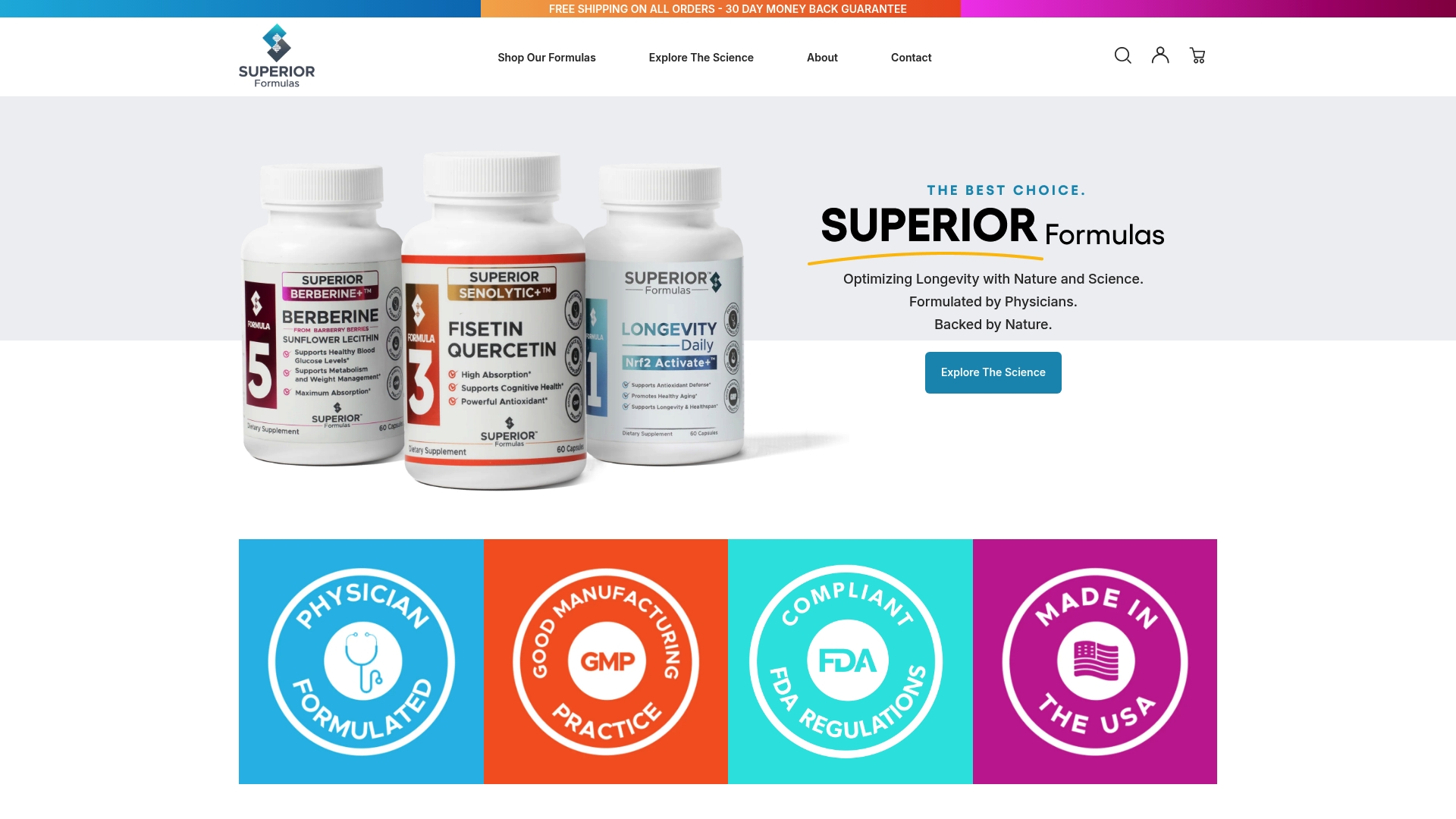
If you want a formulation-first option backed by clinical thinking rather than a bare milligram count, browse our full product collection to see how Formula 3 fits into your routine.
This article is general information, not a substitute for advice from a qualified doctor. Consult a qualified healthcare professional about your own circumstances before acting on anything here.
FAQ
What is a typical fisetin dosage for general use?
Most commercial fisetin supplements provide 100 to 500 milligrams per day, with many people starting at 100 to 200 milligrams. Product serving amounts may differ from trial protocols, and a supplement label does not establish that a dose provides antioxidant or senolytic effects.
How does the research dose compare to what supplements provide?
Some clinical trial protocols use approximately 20 milligrams per kilogram of body weight per day for two consecutive days. The amount depends on body weight, and trial dosing should not be treated as personal-use guidance. That is several times higher than a typical daily commercial dose and requires careful planning around capsule count and timing.
Are senolytic supplements like fisetin considered safe?
Small human trials using the 20 mg/kg pulse protocol have not identified dose-limiting toxicities, though mild gastrointestinal symptoms can occur at higher doses. Anyone taking blood thinners, antiplatelet medications, or drugs metabolized through CYP3A4 should consult a clinician before starting, since fisetin may carry theoretical interaction risks with these drug classes.
Does the form of fisetin affect how well it works?
Yes. Unformulated fisetin has poor bioavailability, while a hybrid-hydrogel formulation tested in a human pharmacokinetic study produced roughly 23 to 27 times greater plasma exposure than the unformulated compound. This means formulation quality can matter as much as the milligram amount on the label.
Should I combine fisetin with quercetin?
Quercetin is commonly paired with fisetin in senolytic research and consumer formulations because the two compounds are studied together for their complementary cellular effects. If you are considering this combination, a product with clear sourcing and third-party testing, like our Superior Senolytic+ formulation, gives you a documented starting point rather than guessing at individual doses.


