


For most adults aiming to reduce stress-related fatigue or sharpen focus, standardized rhodiola extracts are commonly effective at about 200 to 600 milligrams per day, with clinical fatigue trials often using 400 to 576 milligrams daily. Some performance studies test higher short-term doses, sometimes reaching over a gram, but anyone on prescription medications or who is pregnant or breastfeeding should check with a clinician first.
TL;DR:
- Start with 100 to 200 milligrams in the morning for one to two weeks, then consider 400 milligrams if tolerated and fatigue remains the goal.
- Choose standardized capsules that disclose salidroside and rosavins percentages; matching milligram amounts alone cannot show whether a product resembles extracts used in trials.
- NCCIH considers short term use of up to 12 weeks possibly safe, but long term safety and a chronic use upper limit remain unestablished.
- For workouts, trials commonly used 200 milligrams about 60 minutes beforehand; higher doses were brief, protocol specific experiments, not evidence for routine daily escalation.
- Check with a clinician before use alongside antidepressants, blood pressure drugs, or anticoagulants such as warfarin, because reported or theoretical interactions remain incompletely mapped.
Table of Contents
- Recommended Doses by Goal: Stress, Mood, and Performance
- What the Trials Actually Tested: Evidence Behind the Doses
- When and How to Take Rhodiola for Best Results
- Side Effects, Special Populations, and Drug Interactions
- Choosing a Standardized Rhodiola Supplement You Can Trust
- Our Evidence-First Approach to Formulating Adaptogens
- Other Supplements Often Combined With Rhodiola
- How Much Is Too Much: Maximum Daily Dose Guidance
- Dosing Adjustments for Older Adults, Children, and Organ Conditions
- A Practical Starting Plan if You Want to Try Rhodiola
- Build Your Routine on Physician-Formulated, Tested Supplements
- FAQ
- Sources
Recommended Doses by Goal: Stress, Mood, and Performance
Rhodiola dosing is not one-size-fits-all, and the right amount depends heavily on what you are trying to achieve. The research splits fairly cleanly into a few categories, each with its own dose range and duration.
For stress-related fatigue, the most studied regimens use 400 to 576 milligrams of standardized extract per day, often split into two doses. A well-known randomized trial used SHR-5 extract at 576 milligrams per day and reported measurable improvements in fatigue and attention over the trial period, while other protocols used 200 milligrams twice daily for a 400 milligram total. These fatigue-focused trials typically ran for several weeks rather than days, which matters because rhodiola’s effects on stress resilience appear to build gradually rather than hit all at once.
Mood and cognitive support research tends to use a somewhat lower range, commonly 200 to 400 milligrams per day. Some of these studies also test single-dose effects on attention and mental clarity, suggesting that rhodiola can offer a short-term lift in addition to any cumulative benefit from regular use.
Athletic and performance applications look different again. Acute, pre-exercise dosing around 200 milligrams taken about an hour before activity shows up repeatedly in the literature, while a smaller set of short-term trials pushes much higher, into the 1,500 to 2,400 milligram range, with outcomes depending heavily on the specific protocol. These higher-dose studies are not a template for daily supplementation: they reflect acute, short-duration experiments designed to isolate a performance effect, not a sustainable long-term regimen.
The practical distinction that matters most is acute versus chronic use:
-
Acute, single-dose use fits pre-workout or pre-event scenarios where you want a short-term lift.
-
Chronic, daily use over weeks fits stress, fatigue, and mood goals, where the benefit accumulates.
-
Starting low and titrating upward over one to two weeks helps you judge tolerance before committing to a higher dose.
-
Splitting a daily dose into two smaller doses (for example, 200 milligrams in the morning and 200 milligrams at midday) can reduce the odds of overstimulation or sleep disruption.
If you are new to rhodiola, a sensible starting point is 100 to 200 milligrams once daily for the first week, moving toward the 400 milligram range if your goal is fatigue or stress management and you tolerate it well. Someone training for a specific event might instead test a single 200 milligram dose about an hour before a workout to see how it feels before deciding whether chronic dosing makes sense for their broader goals.
What the Trials Actually Tested: Evidence Behind the Doses
The dosing ranges above are not arbitrary. They come from a patchwork of randomized trials and reviews, each with its own strengths and limitations, and getting familiar with that evidence helps you interpret product labels more critically.
One of the more frequently cited studies tested SHR-5 extract at 576 milligrams per day in people experiencing stress-related fatigue, finding improvements in fatigue symptoms and attention-related measures. Other randomized work has used 400 milligrams per day, often split as 200 milligrams twice daily, with a 12-week open-label trial in outpatients with prolonged fatigue reporting gradual improvement and good tolerability at that dose. On the performance side, a randomized crossover trial compared low (200 milligrams) and high (1,500 milligrams) daily doses and found dose-dependent, outcome-specific benefits rather than a uniform effect across every measure tested.
One frequently cited randomized trial used a 576-milligram daily dose of standardized extract and linked it to improved fatigue and attention scores over the study period, which is why that figure appears so often on supplement labels and in dosing guides, according to the randomized trial findings.
A broader look at the research reveals a few consistent patterns:
- Benefits tend to be modest and specific to predefined endpoints rather than sweeping improvements across every measure tested.
- Studies vary widely in dose, trial length, and how they define and measure fatigue or performance, which makes direct comparisons tricky.
- Extract standardization, meaning the reported percentage of salidroside and rosavins, is inconsistently documented across trials, which complicates translating a clinical dose into a confident real-world equivalent.
- Acute, single-dose exercise studies at around 200 milligrams are among the more consistent findings in the performance literature.
What this means practically: when a product label says “equivalent to clinical trial dosing,” that claim is only meaningful if the extract’s standardization roughly matches what was used in the cited trial. A capsule with the same milligram weight but a different salidroside percentage is not delivering the same dose of active compound, even if the label number looks familiar.
When and How to Take Rhodiola for Best Results
Timing can meaningfully affect how well rhodiola works for you and whether you run into side effects, particularly sleep disruption.
- Take your dose in the morning or early afternoon. Rhodiola has mild stimulating properties for some people, and dosing late in the day raises the risk of insomnia.
- If you notice jitteriness, restlessness, or trouble sleeping, move your dose earlier or split it into two smaller doses spaced a few hours apart.
- For acute performance use, time your dose roughly 60 minutes before exercise, which matches the timing used in several performance trials.
- Start with a standardized extract rather than a loose powder or tincture, since standardized products are easier to compare against the doses studied in trials.
- Keep a simple log tracking sleep quality, mood, energy, and exercise performance for the first two to four weeks so you have real data on whether the dose is working.
Tincture and loose powder forms complicate dosing because potency varies by preparation, and converting a tincture’s drop count into an equivalent milligram dose of standardized extract is not straightforward without a product-specific conversion chart from the manufacturer. A standardized capsule with a clearly labeled percentage of salidroside and rosavins removes much of that guesswork.
Pro Tip: Trial a single morning dose on a day with a predictable schedule before adopting a daily routine, so you can isolate how rhodiola affects your sleep and energy without other variables muddying the picture.
Side Effects, Special Populations, and Drug Interactions
Rhodiola is generally well tolerated in short-term use, but it is not free of risk, and certain groups need to involve a clinician before starting.
According to the National Center for Complementary and Integrative Health, rhodiola is possibly safe for short-term use of up to 12 weeks. Reported side effects include:
- Dizziness
- Headache
- Insomnia, particularly with late-day dosing
- Dry mouth or excess saliva production
The same guidance notes insufficient data on long-term use and advises against use during pregnancy or breastfeeding due to a lack of safety research in those populations. NCCIH guidance supports short-term use of up to 12 weeks as possibly safe for most adults, while flagging insufficient evidence for longer-term use, according to NCCIH’s safety review.
A handful of drug classes warrant extra caution because of reported or theoretical interactions:
- Antidepressants, particularly those with serotonergic activity or MAOIs, due to the potential for additive effects.
- Antihypertensive medications, since rhodiola’s effects on blood pressure and interactions such as those reported with losartan are not fully mapped out.
- Anticoagulants like warfarin, where any supplement with unclear effects on clotting or metabolism deserves clinician review.
- Immunosuppressants, given the limited data on how adaptogens might interact with immune-modulating drugs.
Herb-drug interaction surveillance from NCCIH more broadly reminds us that botanical supplements can interact with prescription medicines in ways that are not always obvious from a product label, which is a good reason to treat any new supplement with the same scrutiny you would apply to a new medication.
If you take any of the medications above, bring your full medication and supplement list to your next appointment and mention the specific dose and standardization of the rhodiola product you are considering. If you experience a severe reaction, such as significant dizziness, chest discomfort, or an allergic response, stop taking the supplement and seek medical care promptly.
Choosing a Standardized Rhodiola Supplement You Can Trust
Because so much of the clinical evidence depends on specific extract standardization, picking a quality product matters as much as picking the right milligram number.
A capsule that lists only “500 milligrams rhodiola root” without any standardization figure gives you little basis for comparing it to the trials discussed above.
When evaluating a product, look for:
- A clearly stated percentage of salidroside and rosavins on the label.
- A defined extraction ratio (such as 3 percent salidroside and 1 percent rosavin, the standardization noted in one recent crossover trial).
- A certificate of analysis (COA) available from the manufacturer confirming third-party testing.
- Manufacturing in a GMP-certified facility.
Inconsistent labeling is common across the category, which is why checking the percentage and extraction ratio matters more than the total milligram count alone. Our detailed look at rhodiola’s trial evidence and product quality walks through this mapping in more depth, and our guide to assessing dietary supplements covers how to read a COA line by line.
Pro Tip: Save the COA from any rhodiola product you buy and compare its salidroside and rosavin percentages against the trial dose you are trying to replicate, rather than trusting the milligram number alone.

Our Evidence-First Approach to Formulating Adaptogens
We built Superior Formulas around a simple premise: supplement doses should trace back to the research, not to marketing convention. Our formulations come from a physician-scientist founder who integrates clinical research in nutrition, biochemistry, and aging into every product decision, including how we think about standardization and dosing for adaptogenic ingredients.
Every product we manufacture is produced in a GMP-certified facility and verified through third-party testing, the same quality markers we recommend you look for when evaluating any rhodiola supplement. We formulate without unnecessary fillers, because a clean label makes it easier to understand exactly what you are taking and in what amount. For a closer look at the research principles behind our formulations, our science page walks through the clinical rationale in detail.
Other Supplements Often Combined With Rhodiola
Many people pair rhodiola with other adaptogens or nutrients as part of a broader stress or energy routine, and it helps to think through how these combinations interact.
Ashwagandha is a common pairing, since the two adaptogens are sometimes used together for complementary stress support, though combining any two active botanicals increases the importance of starting with lower doses of each. B vitamins, particularly methylated forms, are frequently taken alongside rhodiola to support energy metabolism, and the two do not have known problematic interactions. Magnesium is another frequent companion, often used for its role in relaxation and sleep support, which can help offset rhodiola’s mild stimulating effect if taken in the evening while rhodiola is taken earlier in the day.
Caffeine deserves specific mention: because rhodiola can have mild stimulating properties for some people, stacking it with high caffeine intake may amplify jitteriness or sleep disruption, so it is worth monitoring your total stimulant load rather than adding rhodiola on top of an already caffeinated routine without adjustment. If you are combining rhodiola with multiple other supplements, introduce one new addition at a time so you can identify which one is responsible for any change you notice.
How Much Is Too Much: Maximum Daily Dose Guidance
Most clinical research on rhodiola stays within a 200 to 600 milligram daily range, and doses climbing toward the 1,500 to 2,400 milligram territory appear only in short-term, closely monitored performance trials rather than everyday use.

Exceeding the ranges studied in chronic-use trials increases the likelihood of side effects such as dizziness, headache, and insomnia without clear evidence of added benefit, since the research on higher acute doses is outcome-specific and not a general license for higher daily intake. There is no established upper limit for long-term daily use beyond the roughly 12-week window that current safety guidance from NCCIH covers, which means doses or durations beyond that range fall outside what the evidence has directly tested.
A sensible ceiling for most adults using rhodiola for stress, fatigue, or mood support is to stay within the 400 to 600 milligram range studied in the fatigue literature, reserving higher acute doses for short, specific, and ideally clinician-discussed performance scenarios rather than everyday supplementation. If you find that your current dose is not producing a noticeable effect after several weeks, the better next step is reassessing the product’s standardization and your goal rather than simply increasing the milligram amount.
Dosing Adjustments for Older Adults, Children, and Organ Conditions
Clinical trial data on rhodiola skews toward healthy adults, which means several groups need a more cautious, individualized approach.
Older adults may be more sensitive to rhodiola’s mild stimulating effects and are statistically more likely to be on medications, such as antihypertensives or anticoagulants, that carry interaction concerns, so starting at the low end of the range and checking with a clinician before adding rhodiola to an existing regimen is a reasonable approach. Rhodiola has not been well studied in children, and without pediatric dosing data or safety trials, it is not something to introduce without direct medical guidance.
For individuals with liver or kidney conditions, the lack of dedicated trial data is itself the key consideration: rhodiola’s metabolism and clearance have not been thoroughly characterized in people with impaired organ function, so any decision to use it should go through a clinician who can weigh your specific health status. The general theme across all three groups is the same: the clinical evidence base was built on relatively healthy adult volunteers, so extending those doses to a population with different physiology or medication needs requires individualized medical input rather than assuming the standard range applies equally.
A Practical Starting Plan if You Want to Try Rhodiola
If you are considering rhodiola for stress, fatigue, or focus, I would suggest starting conservatively rather than jumping straight to the doses used in the most intensive trials. A reasonable starting point is 100 to 200 milligrams once daily, taken in the morning, for the first one to two weeks.
Keep a short daily log covering sleep quality, mood, energy levels, and, if relevant, exercise performance. This gives you concrete data to look back on at the two to four week mark, when you can decide whether to hold steady, titrate up toward the 400 milligram range used in fatigue research, or stop if you are not noticing a meaningful change. For additional perspective on building a supplement routine thoughtfully, our step-by-step supplement selection guide for adults 35 and older covers how to weigh a new addition against what you are already taking.
If you are on any prescription medication, particularly antidepressants, blood pressure medication, or anticoagulants, or if you are pregnant or breastfeeding, talk with your clinician before starting rhodiola at any dose.
— cristopher
Build Your Routine on Physician-Formulated, Tested Supplements
Dosing rhodiola well starts with understanding the evidence, and choosing what else to put into your daily routine deserves the same scrutiny. Formulations are developed using ingredients backed by research, manufactured in GMP-certified facilities, and verified through third-party testing to ensure product quality and transparency.
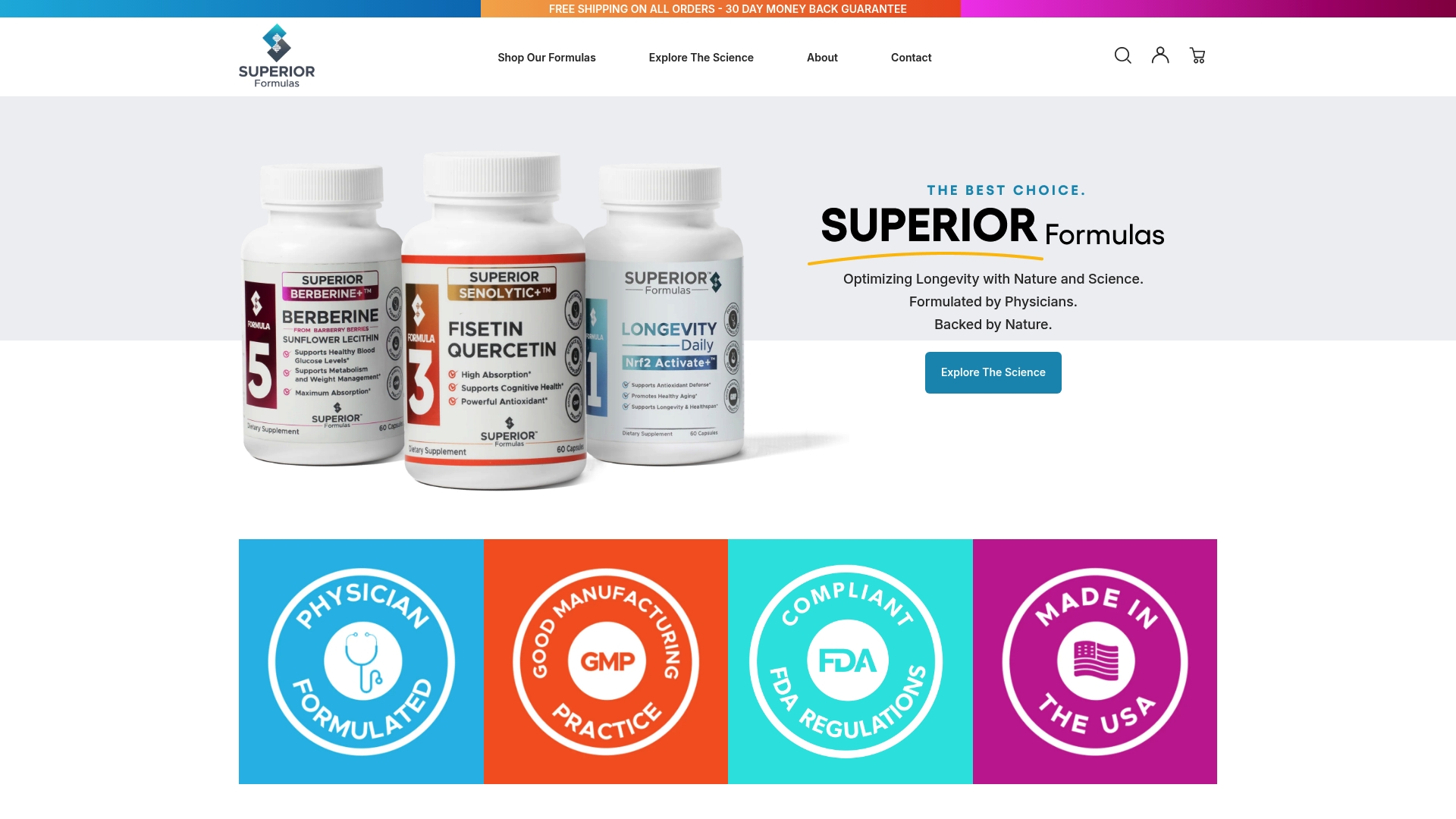
If you are building out a broader longevity and cellular health routine alongside your stress or energy management plan, consider integrating evidence-backed strategies such as those outlined in Red Light Recovery: Science-Backed Routines for Men, which support daily restoration routines targeting energy, drive, recovery, and vitality. Browse the full lineup and find the formulation that fits where you are in your health routine.
This article is general information, not a substitute for advice from a qualified doctor. Consult a qualified healthcare professional about your own circumstances before acting on anything here.
FAQ
How often can you take rhodiola?
Most clinical protocols use rhodiola once or twice daily, typically for several weeks at a time, with current safety guidance from NCCIH supporting short-term use of up to 12 weeks. Taking breaks between extended courses is a reasonable precaution given the limited long-term safety data.
What not to take with rhodiola?
Caution is warranted when combining rhodiola with antidepressants, especially those with serotonergic or MAOI activity, as well as antihypertensive medications and anticoagulants like warfarin, due to reported or theoretical interactions noted by NCCIH. Anyone taking these medication classes should talk with a clinician before adding rhodiola to their routine.
What are the potential health benefits of Rhodiola rosea?
Research links standardized rhodiola extract to reduced stress-related fatigue, improved attention, and modest support for mood, with one widely cited trial using 576 milligrams per day and reporting improvements in fatigue and attention measures. Some trials also explore acute performance benefits around exercise, though effects tend to be outcome-specific rather than universal.
What are the negative side effects of rhodiola?
Commonly reported side effects include dizziness, headache, insomnia, and dry mouth or excess saliva production, according to NCCIH’s safety overview. Taking rhodiola later in the day raises the risk of sleep disruption, so morning dosing is generally recommended.
Sources
- Rhodiola rosea as an adaptogen to enhance exercise performance: a review (Frontiers / PMC)
- Rhodiola rosea in stress induced fatigue — randomized trials (PubMed)
- Rhodiola: Usefulness and Safety | NCCIH
- Acute dose effects of Rhodiola rosea on exercise performance (PubMed 2025)


