


A sustainable healthy lifestyle process in 2026 comes down to six connected habits: eat whole foods over processed ones, move your body most days, sleep 7 to 9 hours consistently, manage stress daily, keep up with preventive screenings, and build social and nature-based routines that make the rest stick. None of these work in isolation. Skip sleep and your stress management falters. Skip movement and your sleep suffers.
Start today with one of these:
- Add one vegetable serving to today’s meals
- Schedule your next preventive screening or annual physical
- Set a fixed bedtime for the next five nights
- Text a friend to plan a walk this week
Public health researchers consistently find that small, process-based goals outperform sweeping resolutions for long-term adherence. Pick one step. The rest of this guide breaks down exactly how to build each one into your week.
Key Takeaways
A sustainable healthy lifestyle process in 2026 combines diet, movement, sleep, stress management, prevention, and social and nature-based habits into a 12-week adjustable routine rather than a single resolution.
| Point | Details |
|---|---|
| Start with one habit | Pick a single process goal (diet, sleep, or movement) instead of overhauling everything at once. |
| Hit the activity target | Aim for 150 to 300 minutes of moderate aerobic activity weekly, plus two strength sessions. |
| Protect your sleep window | Target 7 to 9 hours nightly with a consistent schedule at least five nights a week. |
| Never miss twice | Treat setbacks as expected data points, not failures, and restart immediately. |
| Track a few key metrics | Log sleep hours, weekly steps, and vegetable servings to see real progress. |
Ready to support your cellular health alongside these habits? Explore Superiorformulas for physician-formulated supplements built on antioxidant support and healthy aging science, designed to work alongside the daily process outlined here.
Table of Contents
- How do you set up a healthy, sustainable diet process?
- What’s a realistic weekly exercise routine?
- How many hours of sleep should adults get nightly?
- How can you manage stress as part of a daily routine?
- What preventive screenings should adults prioritize?
- How do you reduce risky behaviors like smoking and drinking?
- Why do social connections matter for your health process?
- Can nature-based habits improve adherence and wellbeing?
- What’s a realistic 12-week timeline for building these habits?
- Frequently Asked Questions
- Sources
How do you set up a healthy, sustainable diet process?
The core pattern to prioritize is whole-food, mostly plant-forward eating with limited ultra-processed foods. This isn’t a diet you start and stop. It’s a default you build once and maintain. The WHO’s guidance on everyday health actions ties balanced eating patterns directly to lower risk of chronic disease, and that link holds regardless of which specific plan you follow.
Set process goals instead of rules: add one vegetable serving daily, or aim for 25 to 30 grams of fiber. Both are measurable and repeatable.
- Batch-cook grains and proteins once a week to cut decision fatigue
- Keep frozen or canned vegetables and fruit on hand. They’re cheaper and just as nutritious as fresh
- Buy pantry staples like beans, oats, and canned fish in bulk
- Prep washed, cut vegetables at eye level in the fridge so they’re the easiest snack to grab
Pro Tip: Make the healthy choice the default choice. Put the fruit bowl on the counter and the cookies in a cabinet you rarely open. Environment beats willpower almost every time.
What’s a realistic weekly exercise routine?
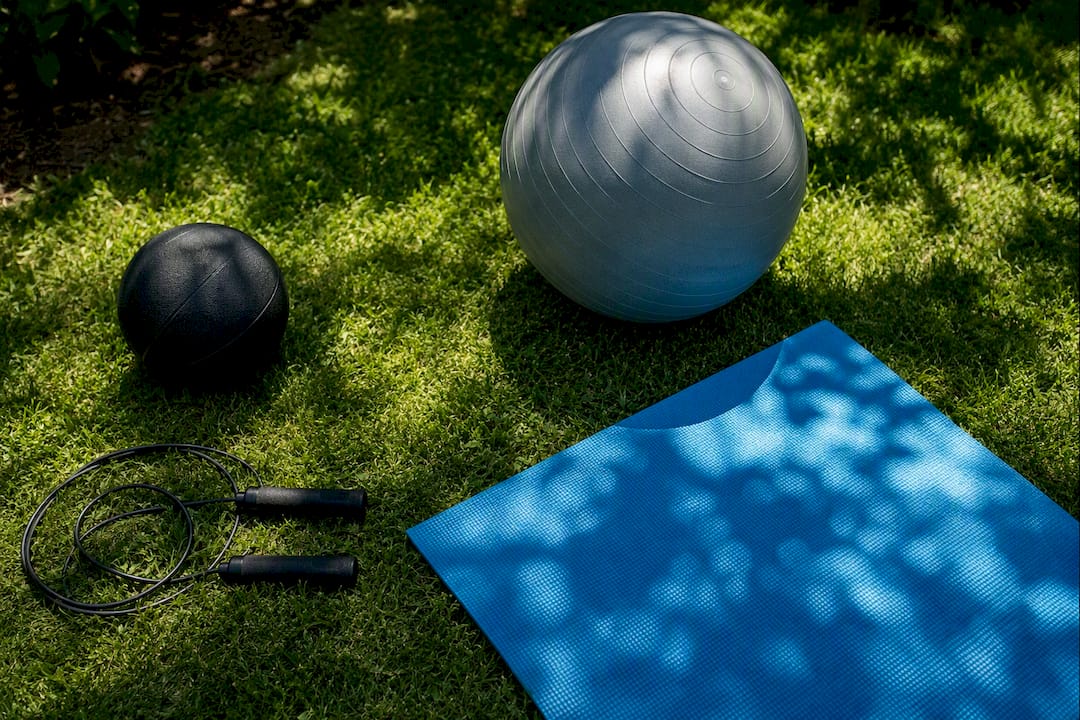
Aim for 150 to 300 minutes of moderate aerobic activity per week, or 75 to 150 minutes of vigorous activity, plus two or more strength sessions. That’s the WHO benchmark, and it scales up or down depending on your starting point and preferences.
- Two strength sessions (20 to 30 minutes, bodyweight or weights)
- Three to five cardio or movement sessions (brisk walks, cycling, swimming)
- One or two active recovery days (light stretching, yoga, easy walking)
- Warm up for five minutes before any session
- Increase duration or intensity by no more than 10% per week
- Talk to your provider before starting if you manage a chronic condition
Regular activity at this level lowers your risk of heart disease, type 2 diabetes, certain cancers, and depression, while improving mobility.
Pro Tip: Build a “movement menu” of five activities you don’t hate, then trial each for two weeks. Adherence follows enjoyment, not discipline.
How many hours of sleep should adults get nightly?
Adults need 7 to 9 hours of sleep nightly, and the real process goal is consistency: hit the same sleep window at least five nights a week.
- Set a screen curfew 30 to 60 minutes before bed
- Keep your bedroom cool, dark, and quiet
- Build a 15-minute wind-down routine (reading, stretching, no phone)
- Limit caffeine after early afternoon and alcohol close to bedtime
Adults consistently getting fewer than seven hours face higher rates of cardiovascular disease and impaired metabolic function, which is why the American Heart Association includes healthy sleep among its eight essential measures for cardiovascular health. If you snore loudly, wake gasping, or feel exhausted despite adequate hours, raise it with a clinician. Those are red flags worth screening.
How can you manage stress as part of a daily routine?
Regular, brief stress-management practices improve both your health outcomes and your ability to stick with everything else on this list. Stress that goes unmanaged tends to erode sleep, appetite, and motivation to exercise.
- Five to ten minutes of breathing exercises or meditation daily
- A 10-minute outdoor walk at a consistent time each day
- A weekly check-in with yourself: what drained you, what recharged you
- Structured therapy or counseling if stress interferes with daily function
The NIMH recommends brief daily practices alongside professional support when symptoms persist.
Pro Tip: Attach a stress practice to something you already do. Breathe deeply while your coffee brews. The habit needs a hook to survive your first busy week.
What preventive screenings should adults prioritize?
Regular screenings, vaccinations, and risk-factor checks belong in your process, not as one-time events. Preventive care catches problems while they’re still cheap and simple to treat.
- Blood pressure and cholesterol checks
- A1c or blood sugar screening
- Age- and risk-appropriate cancer screenings
- Recommended vaccines for your age group
Ask your clinician: “What’s due based on my age and family history?” and “What should I track between visits?” Log dates and results the same way you’d track a workout, so nothing falls through the cracks. Our longevity tips for practitioners guide covers additional clinical habits worth building into this rhythm.
How do you reduce risky behaviors like smoking and drinking?
Quitting tobacco and limiting alcohol are among the highest-impact changes you can make for longevity. Set a specific goal, choose a quit or reduction strategy (nicotine replacement, gradual tapering), and swap the habit trigger for something else.
- Call a free quitline or join a community cessation program
- Enlist a friend or support group for accountability
- Ask your provider about medication-assisted treatment if quitting alone hasn’t worked
Small, supported steps beat white-knuckle willpower most of the time.
Why do social connections matter for your health process?
Social connection is a core process element, not an extra. It improves both mental health and your odds of sticking with new habits.
- Schedule a recurring workout or walk with a friend
- Join a class, club, or volunteer group tied to something you enjoy
- Find an accountability partner for weekly check-ins
Walking groups, community centers, and online hobby groups all lower the barrier to entry and cost little or nothing.
Can nature-based habits improve adherence and wellbeing?
Yes. Green space and nature-based activity reduce stress, support mental health, and make physical activity easier to sustain. A review of nature-based solutions found consistent co-benefits across mental wellbeing, movement, and social cohesion when green time is built into daily routines.
- Take a 10-minute walk in a park instead of an indoor break
- Try gardening or keep a few balcony plants
- Choose active commuting (walking or biking) when possible
Pro Tip: Pair a nature cue with an existing habit, like taking your daily phone call outside. The environment does some of the adherence work for you.
What’s a realistic 12-week timeline for building these habits?
A 12-week rolling process with monthly mini-goals works better than a one-time resolution, because it gives you room to adjust rather than restart.
- Weeks 1 to 4 (foundation): Pick one diet goal, one movement goal, and a fixed sleep window. Track daily in a simple notebook or app.
- Weeks 5 to 8 (consolidation): Add a second movement session, introduce a stress practice, and schedule any overdue screenings.
- Weeks 9 to 12 (scale and diversify): Layer in social or nature-based habits, and reassess which goals need adjusting.
Track sleep hours, weekly steps, and vegetable servings weekly. The NIDDK’s behavior-change framework notes that setbacks are part of the process, not proof of failure.
- Follow the rule: never miss a habit twice in a row
- Review progress every Sunday and adjust one variable, not five
- Treat a missed week as data, then restart the following Monday
For a deeper structure, see our step-by-step longevity guide.
A note on process over perfection
Most people fail at healthy habits not from lack of motivation but from setting goals too big to sustain past week three. This guide leans on process goals and behavior-change research rather than rigid rules, because that’s what the evidence actually supports… Superiorformulas builds on the same principle: physician-formulated support for the habits you’re already working to build.
Frequently Asked Questions
What is a healthy lifestyle? A healthy lifestyle is a sustained set of habits across diet, physical activity, sleep, stress management, preventive care, and social connection that together lower disease risk and support long-term wellbeing.
What is the healthy lifestyle process for 2026? It’s a six-part, ongoing routine: whole-food eating patterns, regular aerobic and strength activity, consistent sleep, daily stress management, routine preventive screenings, and social plus nature-based habits, built through small process goals rather than short-term rules.
How long does it take to build a new healthy habit? Most people see meaningful traction within a 12-week rolling process, using monthly mini-goals and treating occasional setbacks as normal rather than as failure.
Do I need to change everything at once? No. Behavior-change research favors starting with one or two specific, measurable goals and adding more once those feel automatic.
What if I miss a few days of a new habit? Restart as soon as possible and follow the rule of never missing the same habit twice in a row. A missed day is data, not a reason to quit.
This article is general information, not a substitute for advice from a qualified doctor. Consult a qualified healthcare professional about your own circumstances before acting on anything here.
Sources
- Everyday actions for better health – WHO recommendations
- Life’s Essential 8 | American Heart Association
- Changing Your Habits for Better Health - NIDDK
- MDPI review on nature-based solutions and health
- Benefits of physical activity | CDC
Check screening schedules and activity specifics with your local health provider, since individual risk factors vary.


